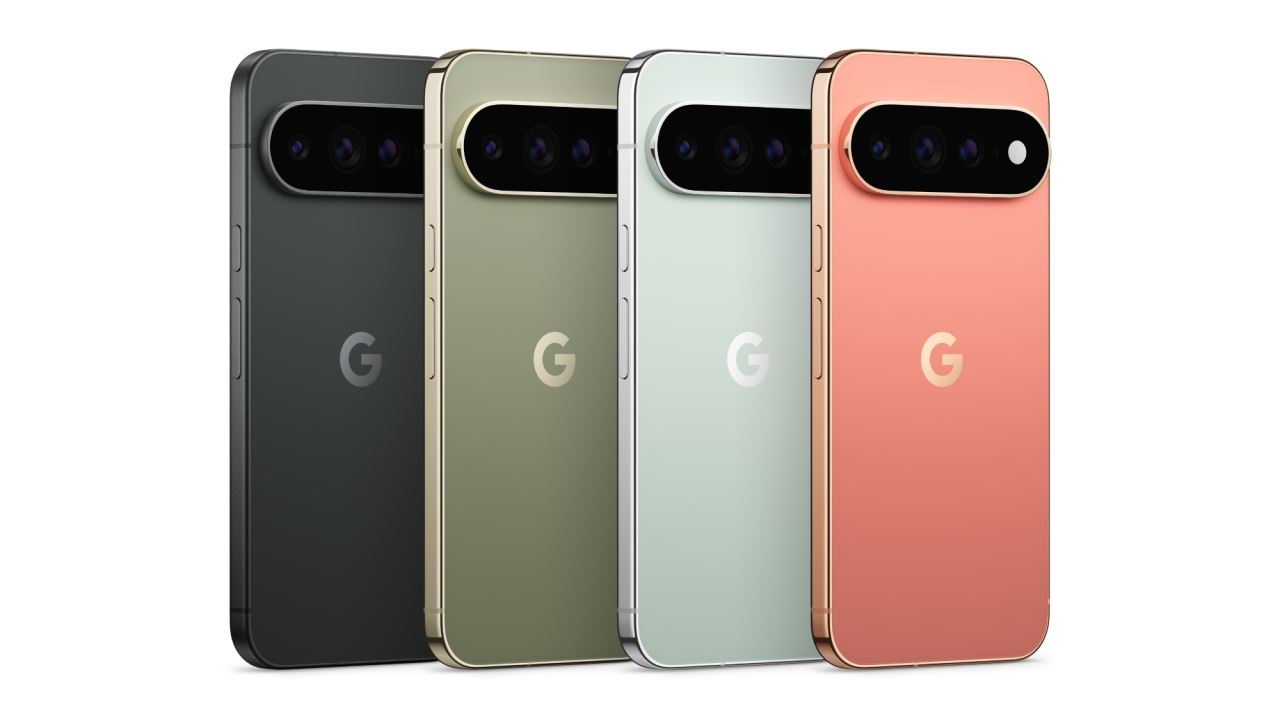


Google's Pixel 11 range reaches shops on 20 August, and the price list says as much about the state of the chip industry as it does about the phone. The cheapest model now costs 899 dollars, the 128GB option has been removed across the entire line-up, and the two Pro handsets ship with less memory than their predecessors unless buyers pay for a larger storage tier. Google is unusually direct about the reason. A global shortage of memory chips is now expensive enough to change what a flagship phone contains.
Reading the price list carefully
The headline figure needs care. The Pixel 11 starts at 899 dollars with 256GB of storage, which is exactly what the 256GB Pixel 10 cost last year. On that comparison, nothing has changed. What has gone is the 799 dollar entry point, because the 128GB tier no longer exists. The clearer increases sit further up the range. The Pixel 11 Pro XL starts at 1,299 dollars, a hundred dollars more than the equivalent model last year. Both Pro handsets now begin with 12GB of memory rather than the 16GB that came as standard across the Pixel 10 Pro range. Buyers who want 16GB must choose the 512GB or 1TB version.
Shakil Barkat, Google's vice president of devices and services, points to supplier costs, citing Morgan Stanley figures that put the price of a gigabyte of memory at 12 dollars this year against 2.80 dollars in 2025. That is a fourfold rise in a single component in twelve months.
Why memory has become scarce
Three companies, Samsung, SK Hynix and Micron, produce the large majority of the world's dynamic memory. Over the past two years each has moved manufacturing capacity towards high bandwidth memory, the stacked chips used inside AI accelerators, which earn far better margins than the commodity parts fitted to phones and laptops. Every wafer sent to that production line is a wafer not making memory for consumer devices.
The effect on prices is severe. A mainstream DDR4 chip that traded at 20 dollars in May reaches a record 42.45 dollars on 7 August, according to spot pricing tracked by TrendForce. Gartner expects combined memory and storage prices to rise by roughly 130 per cent across 2026, lifting PC prices by about 17 per cent and smartphone prices by about 13 per cent compared with 2025.
A pattern across the industry
Google is not acting alone. Nintendo raises the American price of the Switch 2 by 50 dollars and names higher memory costs as the reason. Valve abandons its target of a sub-1,000 dollar Steam Machine and launches at 1,049 dollars, citing the same pressure. Where prices hold steady, specifications often quietly fall instead, which is the pattern visible in the Pixel Pro memory change.
Consumers are already adjusting. CCS Insight expects the refurbished handset market to grow by 15.4 per cent globally during 2026, with some entry level phones already costing more than 50 per cent more than a year ago. Longer replacement cycles follow naturally, and second hand prices may rise in turn as demand outpaces the supply of trade-ins.
Outlook
The Pixel 11 is useful less as a product than as a marker. It shows a manufacturer with considerable purchasing power choosing to raise prices, drop a storage tier and trim memory rather than absorb component costs. Barkat has said future pricing will move to match supply conditions, which is a careful way of declining to promise stability. SK Hynix's chief executive has warned that 2027 may prove tighter still. Until fabrication capacity catches up with demand from data centres, the reasonable expectation for buyers is that the entry price of a good phone keeps drifting upwards, and that the specification behind it is worth checking rather than assuming.