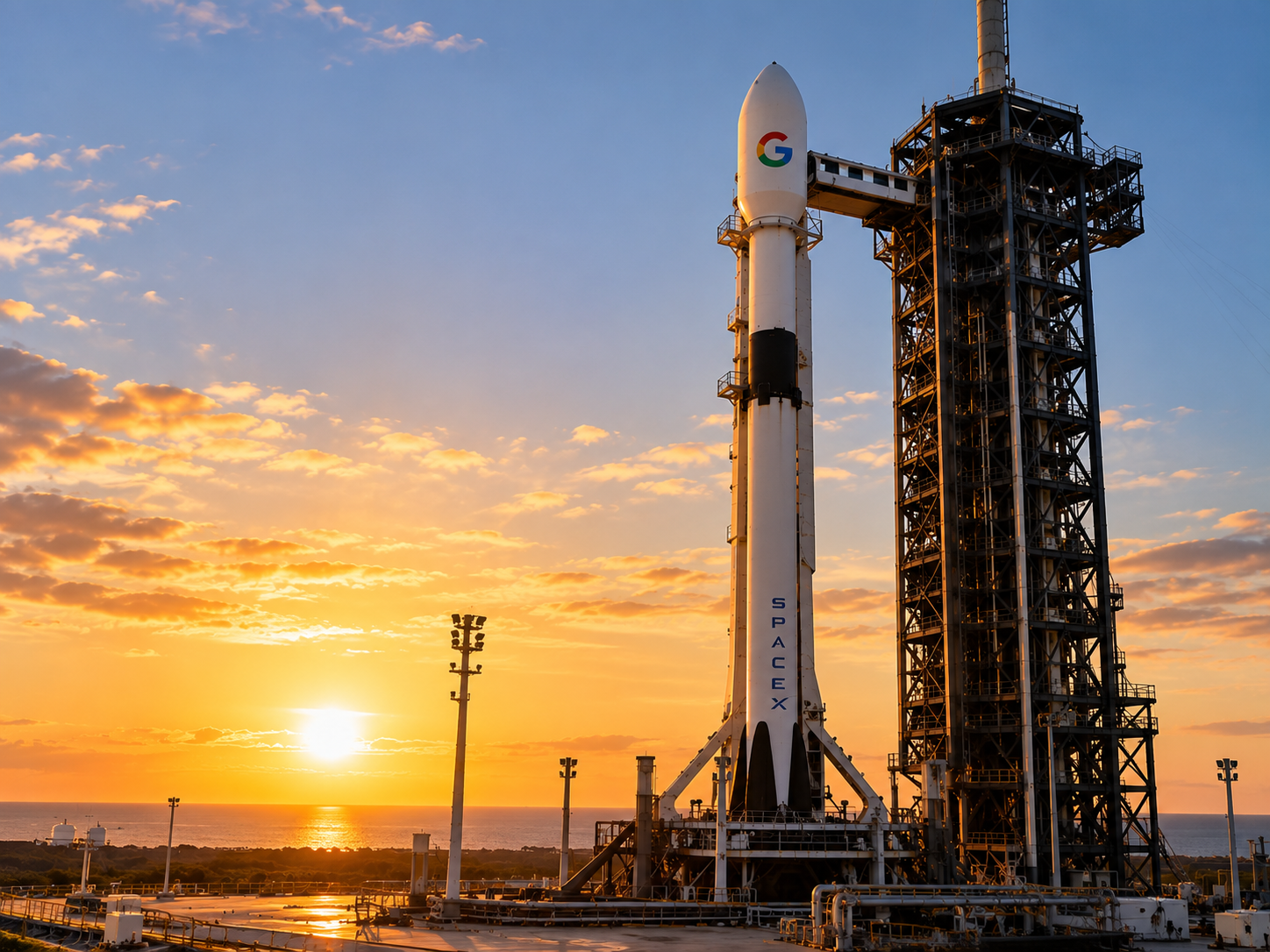


Google is preparing to send its artificial intelligence hardware into space later today, as Project Suncatcher begins its first in-orbit test.
The prototype satellite is scheduled to launch on October 1, 2026 aboard SpaceX’s Transporter-18 mission, carrying Google Tensor Processing Units, or TPUs, into low Earth orbit. The mission is designed to test how the company’s AI hardware performs under real space conditions, including radiation, launch forces and extreme thermal environments.
The project remains at an early research stage, but it reflects a broader effort to explore whether increasingly power-intensive AI computing infrastructure could one day operate beyond Earth.
Why Put AI Hardware in Space?
One of the central ideas behind Project Suncatcher is access to solar energy.
Google says satellites in low Earth orbit can receive near-continuous sunlight and potentially generate substantially more solar power than comparable systems on Earth. That makes space an interesting environment to study as demand for electricity from large-scale AI infrastructure continues to rise.
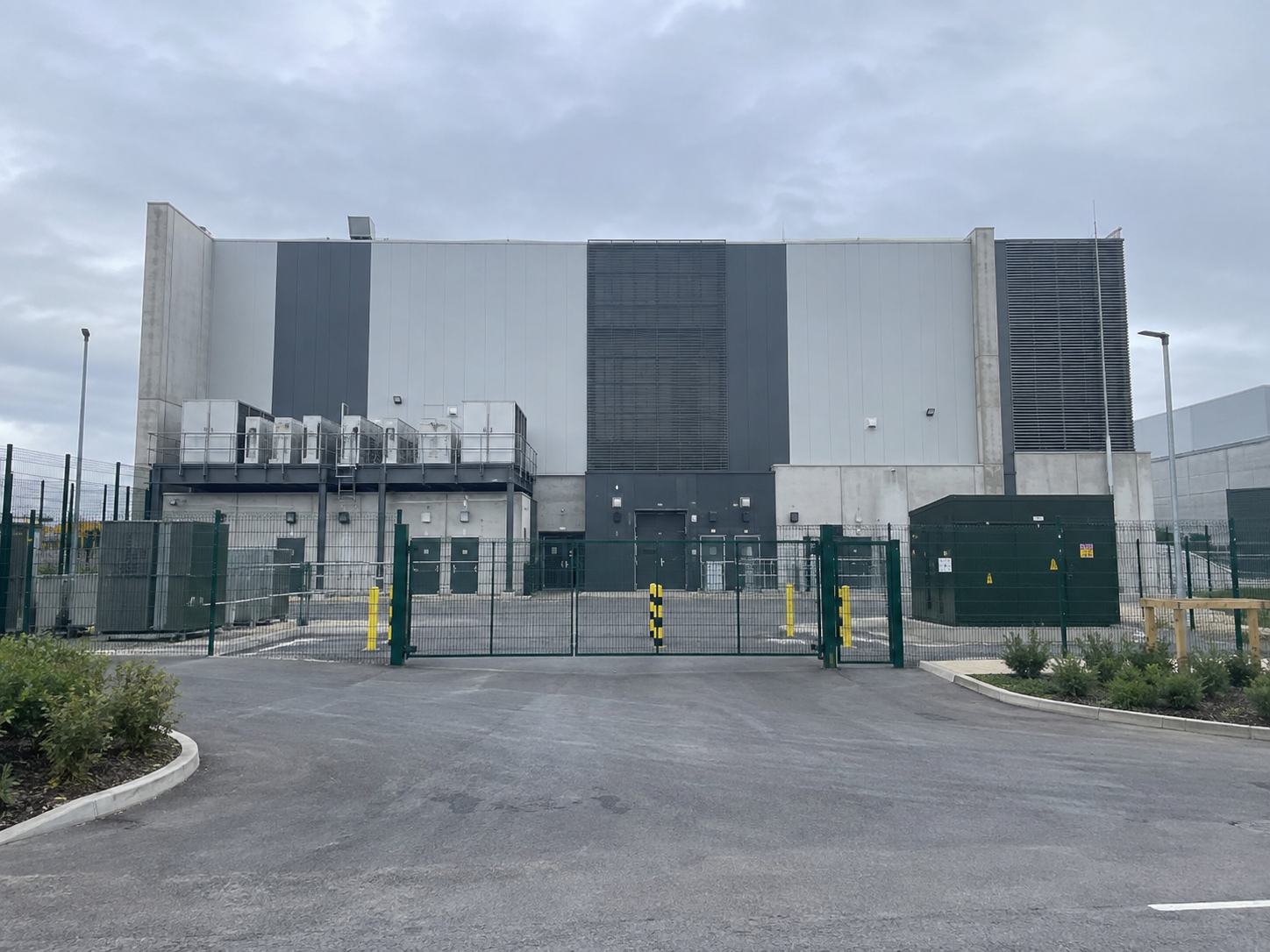
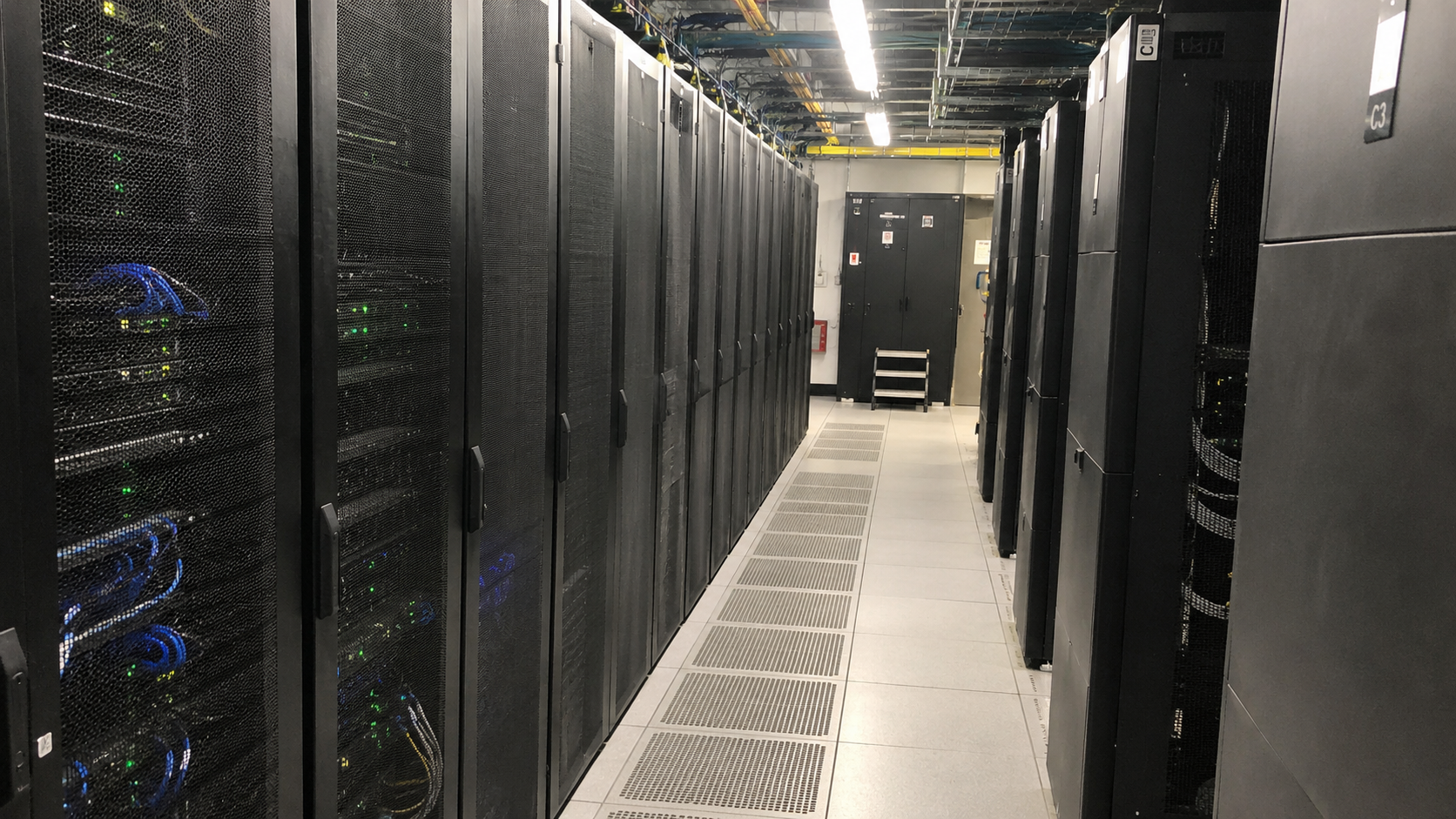
The concept is not to move today's conventional data centres directly into orbit.
Instead, Google is exploring whether groups of specialised satellites could eventually provide scalable machine-learning compute using onboard AI processors and high-speed connections between spacecraft.
Testing Whether AI Chips Can Survive Space
Today’s mission is primarily an engineering test.
Google wants to understand how its TPUs respond to launch vibration, acceleration, radiation and extreme thermal conditions.
The journey into orbit itself exposes hardware to significant physical forces, while radiation can interfere with electronics and create data errors. Google has already carried out testing on Earth, but says operating the technology in orbit is necessary to understand how it performs in the real environment.
The company will also examine how effectively the processors can be cooled in space.
Traditional data centres rely heavily on airflow and liquid-cooling systems, but cooling electronics in a vacuum requires a different approach. Project Suncatcher is testing systems including heat pipes and radiators to transfer heat away from the processors.
Building a Network in Orbit
The longer-term concept would involve multiple satellites operating together rather than a single spacecraft.
Google says future designs could use clusters of satellites carrying multiple TPUs, with high-speed laser links allowing information to move between them.
That presents another major technical challenge.
The company plans further satellite tests in 2027 focused on high-bandwidth laser communication between spacecraft, an important requirement if orbital systems are ever to handle larger AI workloads.
An Early Test, Not an Orbital Data Centre
Despite the ambitious concept, today’s launch is not a fully functioning space-based data centre.
Its purpose is to collect real-world information, identify technical limitations and determine which parts of the system require further development.
Commercial deployment would still face significant challenges including launch costs, satellite production, cooling, reliability and the economics of operating computing infrastructure in orbit. Reuters reported that large-scale commercial use remains some way off.
That makes today’s mission less about proving that orbital AI infrastructure is ready now and more about determining whether it could become technically practical in the future.
A New Direction for AI Infrastructure
Project Suncatcher also reflects a wider shift in the AI industry.
As models become larger and computing requirements increase, companies are looking beyond processors alone and considering the energy, cooling, networking and physical infrastructure required to support future AI systems.
Space is now becoming one of the environments being explored.
For Project Suncatcher, the immediate objective is straightforward: establish how Google’s AI hardware performs once it reaches orbit.
The results from today’s launch could provide useful data for the next stage of the project and help determine how realistic larger-scale orbital computing systems may eventually become.
Sources
- Google, Behind Project Suncatcher, our moonshot to put AI in space, September 24, 2026.
https://blog.google/innovation-and-ai/models-and-research/google-research/google-project-suncatcher-facts/ - Reuters, Google plans first test of AI chips in space under Project Suncatcher, September 24, 2026.
https://www.reuters.com/business/media-telecom/google-plans-first-test-ai-chips-space-under-project-suncatcher-2026-09-24/
Disclaimer
This article is provided for informational purposes only and is based on publicly available information at the time of writing. It does not constitute financial, investment or professional advice.