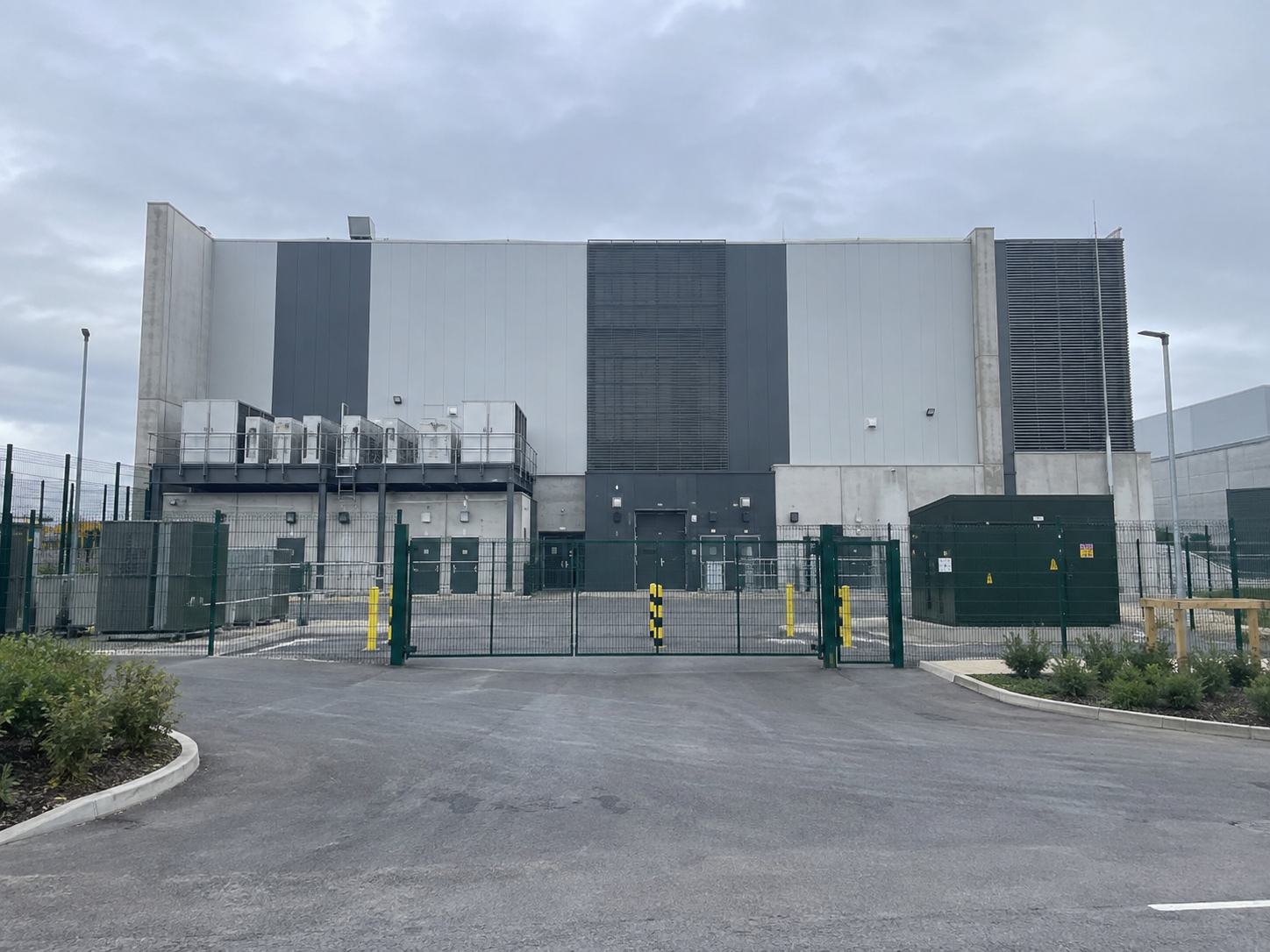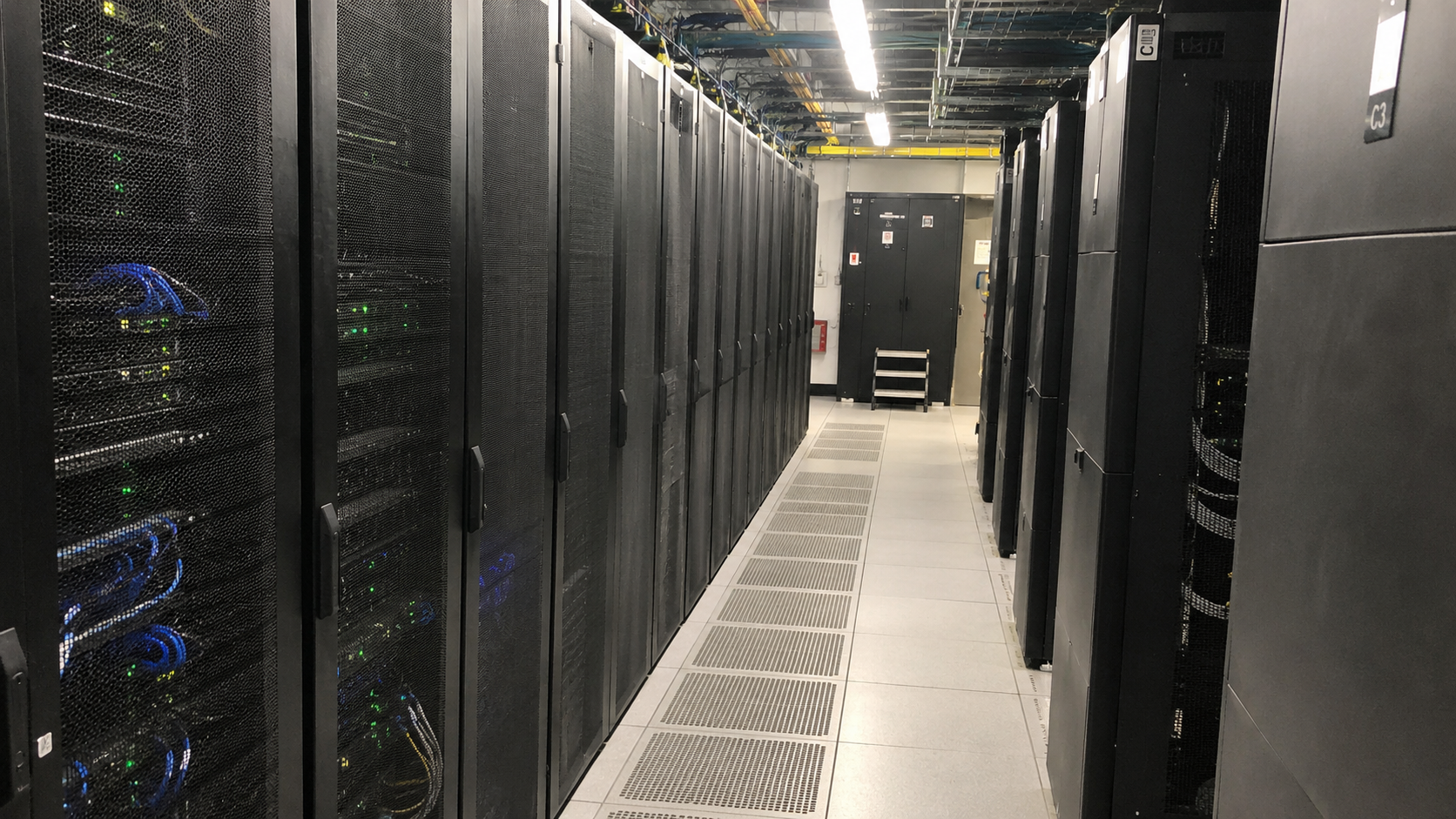


Diraq and Equinix plan to install an eight-qubit quantum computer inside a working commercial data centre in Sydney, with installation due to finish in October. The machine sits in a standard rack, beside ordinary servers, and draws less than 20 kilowatts of power. Eight qubits is nowhere near enough to do useful commercial work, and neither company suggests otherwise. The address is the point, not the processor.
Quantum machines usually live somewhere else
Most quantum computers sit in specialist laboratories. They need heavy cooling, careful shielding and staff who know the hardware closely. That has kept them separate from the ordinary computing that businesses actually run, which makes them awkward to use for anything practical.
Diraq's system packs its cooling and control electronics into one self-contained unit. The company says it slots into the existing building with little integration work. Diraq and Equinix describe it as the first silicon spin quantum computer to run in a shared commercial data centre, and the first quantum computer of any kind inside an Australian one.
The questions here are practical ones
A data centre is a demanding place to put unfamiliar hardware. It has a fixed power budget, a cooling system designed for servers, and other customers in the same building. Anything installed there has to be monitored remotely, connected securely and kept running without a specialist standing beside it.
Those are the things the deployment is meant to test. The companies want to see how the processor behaves next to conventional computers, how quickly the two can pass work between them, and whether the whole arrangement holds up in daily operation. None of that depends on qubit count, which is why a small machine is enough to answer the question.
Silicon is what makes the packaging possible
Diraq builds its qubits in commercial semiconductor foundries, using the same processes that produce chips for phones and laptops. Founder and chief executive Andrew Dzurak has worked on the approach for around two decades. It is a slower route to a working machine than some rival technologies, but it inherits an industry that already knows how to make things in volume and shrink them.
That choice explains the rack. Because the qubits sit on a silicon chip, adding more means replacing the chip rather than rebuilding the room around it. The power, cooling and rack stay as they are.
What to watch next
The claim to test is not the eight qubits but the endurance. If the system runs reliably in a shared building for months, the argument that quantum hardware needs its own facility weakens considerably. If it needs constant attention, the laboratory stays where the work happens.
Diraq is aiming at a commercial product later this decade, and this installation is a step towards proving the delivery model rather than the computing power. October will show whether the plan survives contact with a live data centre.