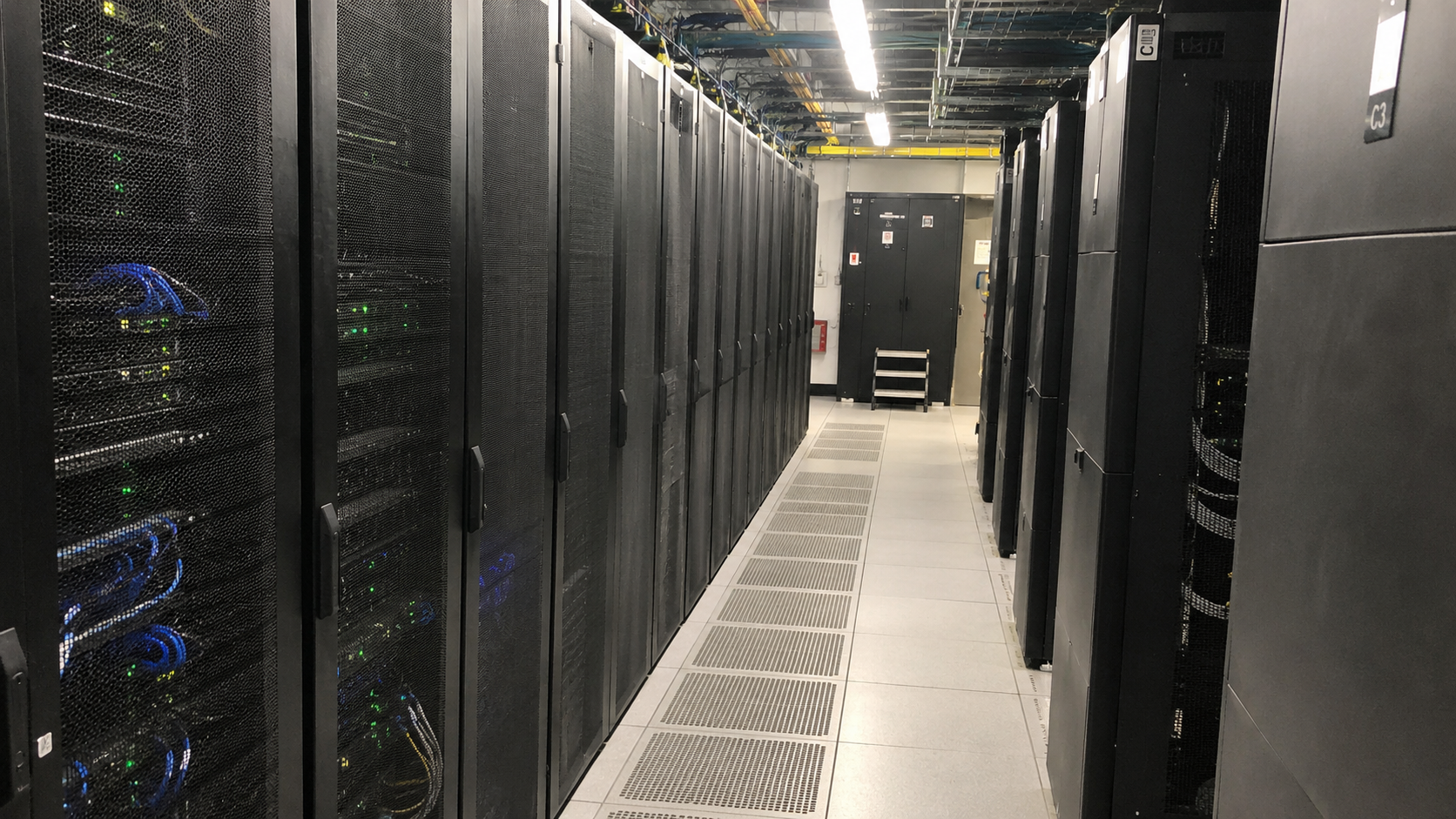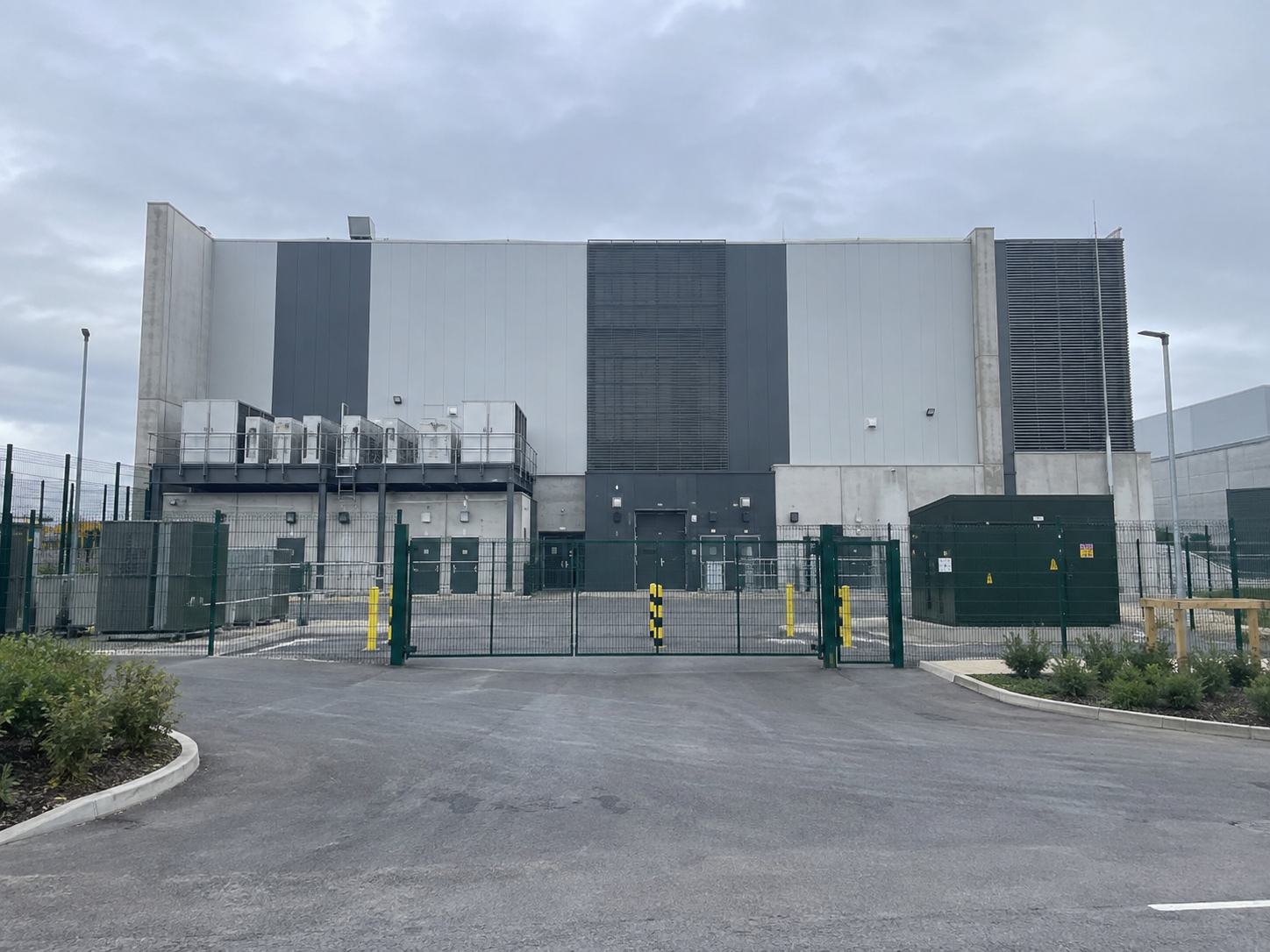


Nvidia, Google and the software start-up Emerald AI launch a new industry group this week aimed at one of the biggest practical limits on artificial intelligence: getting enough electricity to run it. The AI Energy Management Alliance, or AEMA, announced on 16 September, wants data centres to reduce or shift their power use when the electricity grid is under pressure. In return, it wants utilities and regulators to connect those facilities faster.
The move matters because power, not chips, is increasingly the thing that slows down new AI capacity. Across the United States, large computing projects can wait years for a grid connection. AEMA is a bet that a data centre which behaves well on the grid should be allowed to jump the queue.
Why the grid has become the bottleneck
The alliance's launch statement describes power as a defining constraint on the growth of US AI infrastructure. The problem is partly one of design. The rules for connecting large customers to the grid were written for factories and office buildings with steady, predictable demand. A modern AI facility can draw hundreds of megawatts, and utilities have tended to treat it as a fixed load that must be served at all times.
That assumption forces expensive upgrades. If a region's peak demand rises, new power lines, substations and generation have to be built before the data centre can switch on.
AEMA's argument is that AI computing does not have to behave like a fixed load. A training run can be paused or moved to another site. A facility can hold energy in batteries and use it during peak hours. Some sites are paired with their own generation. If a data centre can prove it will cut its draw when asked, the alliance says the grid can safely connect it sooner and with less new infrastructure.
How a flexible data centre works
The group sets out four ways a facility can adjust its demand: shifting computing workloads, discharging stored energy, using paired generation, and responding to grid emergencies. The idea is that a large electricity customer becomes a controllable resource rather than an inflexible one.
AEMA says it is technology-neutral. It does not tell operators which hardware or software to use. Instead it focuses on measurable performance: how quickly a site responds, how long it can hold a reduction, how predictable it is, and how it behaves during an emergency.
The alliance's principles call for clear obligations to be agreed before a facility connects, including rules for staying online during brief disturbances and for cutting power when instructed. It also wants standard technical requirements, shared operational data, and connection costs that reflect a site's real impact on the system.
Google has committed 1 gigawatt of demand it can reduce when needed through agreements with utilities, according to Tyler Norris, the company's head of advanced energy market innovation, speaking on the launch call reported by Axios. Nvidia already offers software, called DSX Flex, that helps operators of its latest Rubin-based facilities manage grid draw, on-site generation and batteries.
Who is involved and why now
The three founders are joined by around 20 launch members spanning the AI and power sectors. Axios reports these include Anthropic, the utilities National Grid and AES, and the power producers Constellation, NRG and RWE.
The timing reflects public mood as much as engineering. Polling from AP-NORC and the University of Chicago, released the same week, finds that 84 per cent of Americans are concerned about the effect of data centres on local electricity prices. Roughly three quarters of both Democrats and Republicans support making developers pay for the grid upgrades their projects require.
Flexibility offers the industry a way to answer that concern without slowing its build-out. If a data centre eases demand at peak times, it reduces the need for upgrades that would otherwise be paid for by all customers.
What happens next
AEMA plans to take its case to federal and state regulators, regional grid operators and utilities. Its success depends on whether those bodies agree to treat verified flexibility as a reason to speed up connections. That is a change to long-standing rules, and it will not happen quickly.
There are also open questions. Flexibility relies on operators actually curtailing when asked, which cuts into the compute time that makes these facilities valuable. Verification standards do not yet exist. And a faster connection for one flexible campus does not, on its own, lower anyone's bill.
Still, the alliance marks a shift in how the industry talks about its own footprint. For the first time, the companies building the largest AI computing sites are proposing to work around the grid's limits rather than simply asking for more of it.