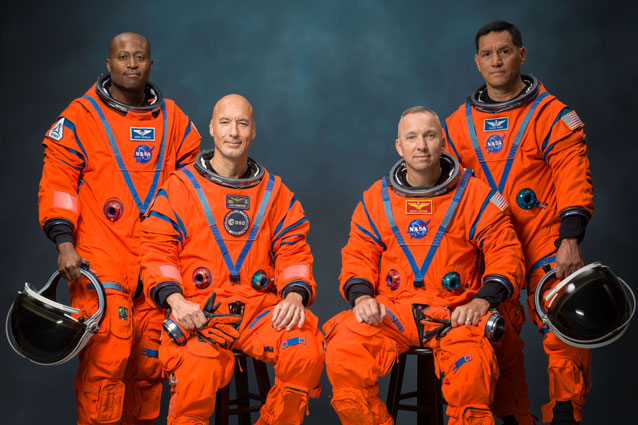


NASA introduces the four astronauts who will fly Artemis III, while also confirming a major change to what the mission actually does. The flight, long described as the next crewed Moon landing, is now set as a 2027 test in Earth orbit. Andre Douglas, Luca Parmitano, Randy Bresnik and Frank Rubio are named to the crew, with a fifth astronaut held in reserve as backup. The shift matters because it reveals how cautiously NASA is now sequencing its return to the lunar surface.
What the crew will do
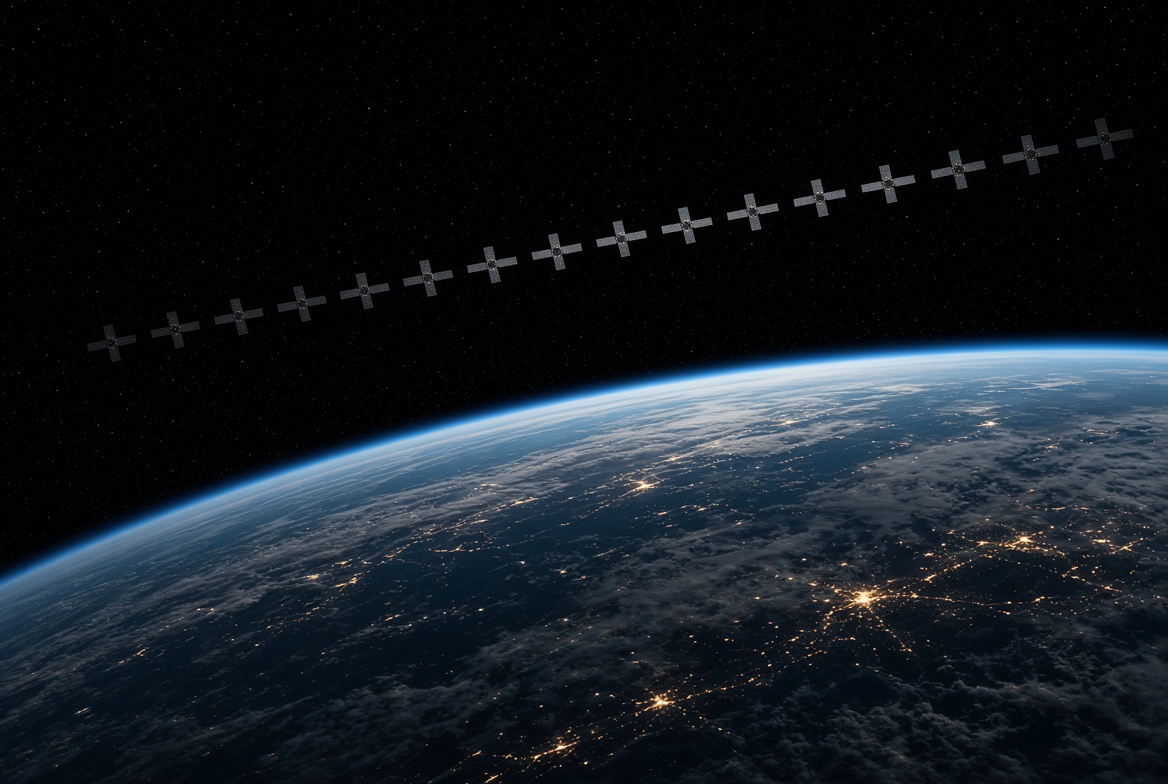
Artemis III launches from Kennedy Space Center in Florida, with the four astronauts riding the Orion spacecraft on the Space Launch System rocket. Rather than landing on the Moon, the crew practises rendezvous and docking in Earth orbit. They link Orion with the new lunar landers being built by SpaceX and Blue Origin, the Starship and the Blue Moon Mark 2. These are the same vehicles that must one day carry astronauts down to the surface, so testing them with a crew on board is treated as essential. NASA describes the exercise as a way to prove the docking systems work as designed before the stakes rise.
Why the mission has changed
The original plan cast Artemis III as the flight that would put boots back on the Moon, more than fifty years after Apollo. That ambition now moves to a later mission, with a surface landing planned for 2028. The reason is practical. Both landers are still in development, and a docking test in the relative safety of Earth orbit lets engineers check the hardware before the far riskier journey to lunar distance. The approach follows the crewed Artemis II test flight in April, which built confidence in Orion itself.
The wider programme
The change fits a pattern of NASA spreading risk across more flights rather than attempting everything at once. Each mission now carries a narrower set of goals, which the agency argues is safer and easier to manage. Critics counter that the slower, step by step method pushes the headline landing further into the future and raises the overall cost. The programme also depends heavily on private firms, since the landers are commercial vehicles rather than NASA hardware. That reliance gives companies a central role in deciding when a landing can happen.
What happens next
The named crew now begins training for a flight that, while not a landing, remains demanding. Docking two large spacecraft in orbit is a delicate task, and the results feed directly into the planned 2028 surface mission. For NASA, the value of Artemis III lies in reducing unknowns before astronauts attempt the descent. For the wider public, the announcement is a reminder that the return to the Moon is a staged process rather than a single dramatic event. The coming months of crew preparation and lander testing will show whether the 2028 landing date holds.