

Brazil is positioning itself as a serious new supplier of the minerals that power the energy transition, yet the agency meant to oversee that growth says it is barely able to cope. At a mining conference in Brasília this week, the head of the National Mining Agency, known as ANM, warns that budget cuts and staff shortages are leaving the regulator unable to keep pace with a surge in interest. His blunt assessment, that the agency is "on life support", sits awkwardly beside the country's ambition to rival China in critical minerals.
A country rich in what the world needs
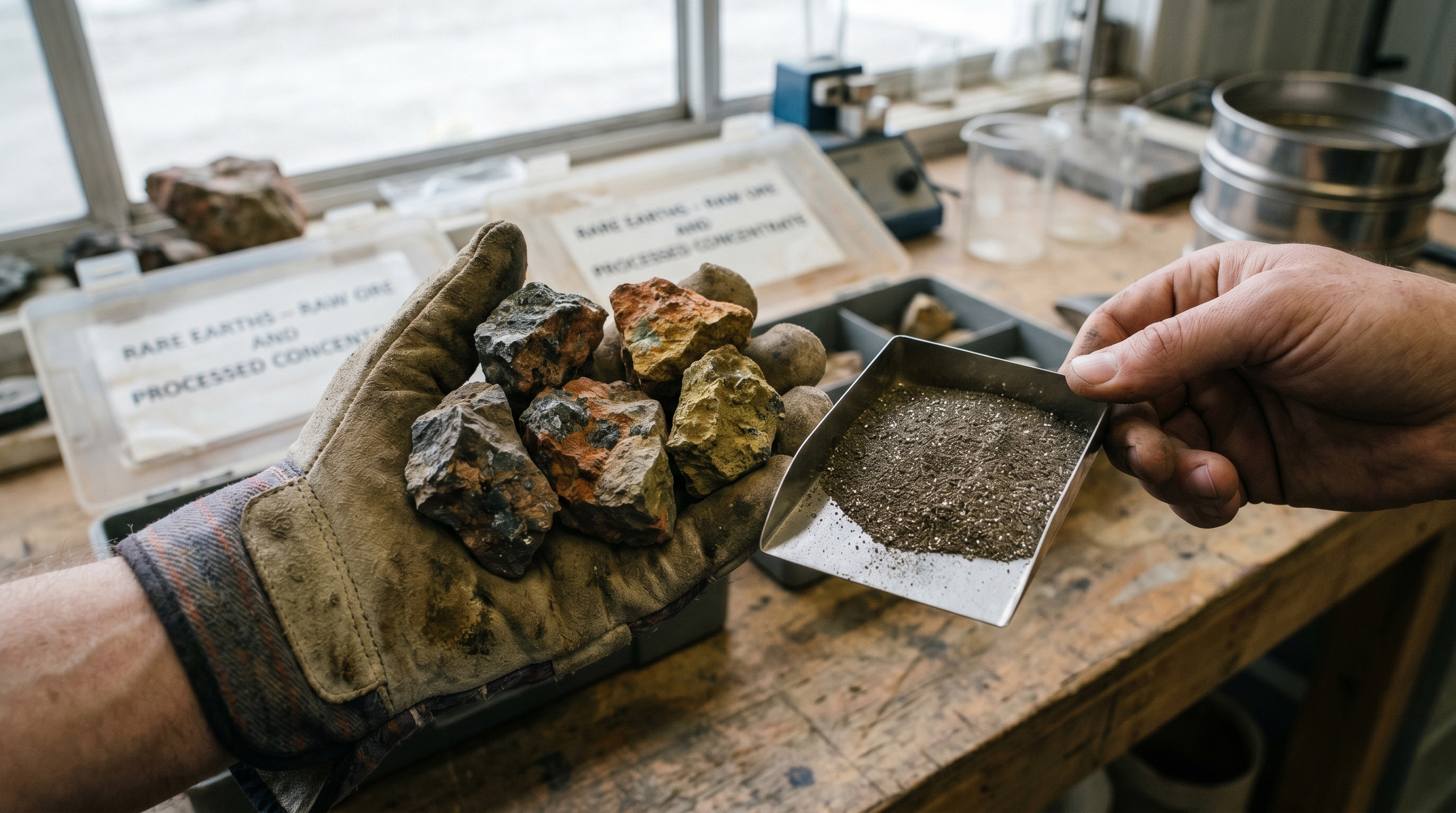
Outside China, Brazil holds the world's largest reserves of critical minerals. These include rare earths, lithium, nickel and graphite, the raw materials used in electric vehicles, wind turbines, batteries and defence systems. As governments try to secure supply chains that do not depend on Beijing, Brazil's geological wealth has become a strategic asset, and one that several countries now want a share of.
The government is courting that interest. In May, the Chamber of Deputies approved a National Policy for Critical and Strategic Minerals, creating a guarantee fund worth two billion reais and offering up to five billion reais in tax incentives over five years. The aim is to turn raw deposits into a new industrial frontier, encouraging not just extraction but the processing and refining that add real value at home.
The contradiction at the centre
The problem is that ambition and capacity are pulling in opposite directions. ANM oversees more than 255,000 active mining claims, inspects mining structures and issues permits for new projects. Its director-general, Mauro Sousa, describes a workforce running at less than half the level it needs, with only four employees assigned to critical minerals. He calls it "a contradiction at the heart of the Brazilian state".
That gap matters because demand is climbing fast. Since 2023, the agency has received more than 3,000 rare earth exploration requests, far above the total filed in the preceding five decades. The same stretched team is also responsible for reviewing tailings dams, the waste structures behind two deadly disasters at sites owned by Vale, which adds a heavy safety burden to an already crowded workload.
Why investors are watching
For the capital now circling Brazil, regulatory weakness is a genuine risk. Mining projects take years to develop and depend on reliable permitting, credible inspection and clear rules. International partners weighing long-term commitments need confidence that the state can deliver on its side, and a thinly staffed regulator undermines that confidence regardless of how generous the incentives look on paper.
The coming months are likely to test whether Brazil can match its policy promises with institutional muscle. Investment frameworks and exploration interest are clearly in place. Whether the machinery of oversight is rebuilt quickly enough to support them will shape how far the country's rare earth ambitions actually travel.