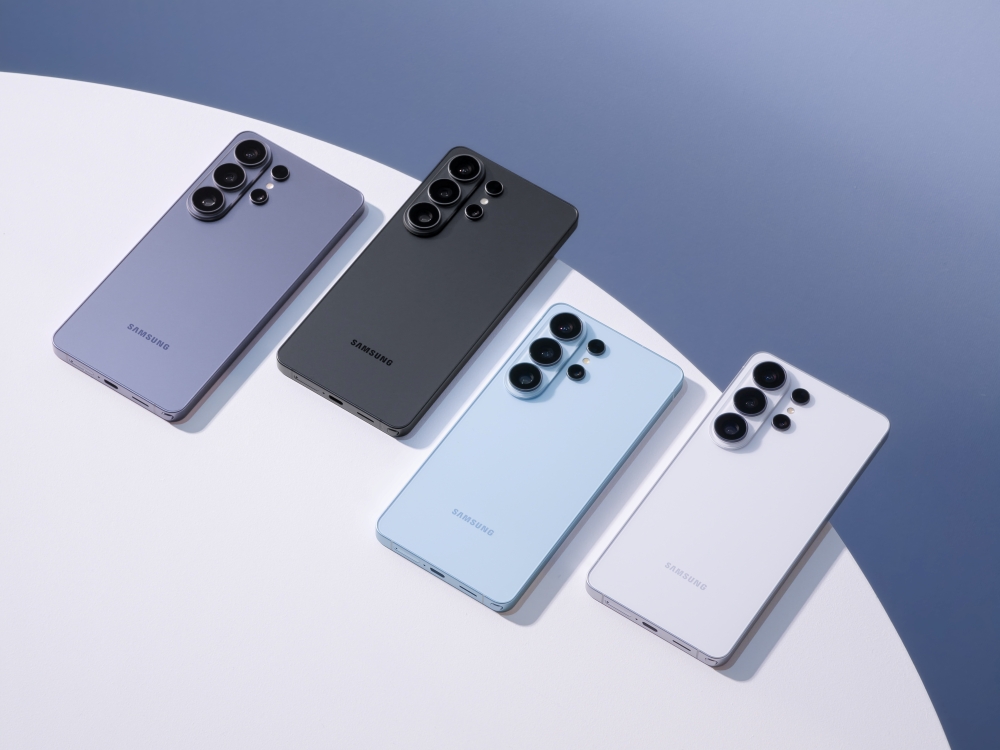


According to SamMobile, the new UK prices appear on 2 October, a day after similar rises take effect in the United States. For UK shoppers, it means the same phone now costs noticeably more than it did in the spring.
What changes for UK buyers
SamMobile lists the new UK prices for each model. The Galaxy S26 now costs £960 with 256GB of storage and £1,100 with 512GB. The S26+ costs £1,180 with 256GB and £1,350 with 512GB. The S26 Ultra costs £1,360 with 256GB, £1,530 with 512GB and £1,860 with 1TB.
Most models go up by £80. The 1TB Ultra rises by £330, the biggest jump in the range. The same reports say prices are also rising in Canada and across the EU.
The United States follows a similar pattern. According to WhistleOut, prices rise on 1 October. The S26 goes from $899 to $999, and the S26 Ultra from $1,299 to $1,399. The 1TB Ultra rises by $200. The Korea Herald reports increases in South Korea in the same week, with the 256GB model up by 149,600 won and the 1TB Ultra up by 276,100 won.
These are list prices. Retailers and mobile networks set their own deals, so the amount a customer pays can differ from the figures above.
Why the price goes up
Samsung has not published a statement explaining the S26 change. Press reports point to the cost of memory chips as the reason.
Samsung's own results show where the pressure sits. In its second-quarter figures, the company reports an operating loss of 0.7 trillion won in its mobile division, which is the first loss for that business. In the same quarter, its chip division makes a record operating profit of 127.5 trillion won. Samsung says higher component costs across the industry weigh on its phone business.
The warning signs appear earlier in the year. In April, SamMobile reports that the mobile division makes a healthy profit in the first quarter, helped by higher S26 prices and older memory stock. Analysts already fear a loss in the second quarter as memory costs keep rising.
The two results come from the same company, but they point in opposite directions. The phone side pays more for memory, while the chip side earns more from selling it. Industry reports link the shortage to chipmakers giving priority to the AI servers that fill data centres. That leaves less supply, and higher prices, for the phones and laptops that people use every day.
A wider squeeze on phone costs
Samsung is not alone in feeling the pressure. Counterpoint Research reports an 11% fall in global smartphone shipments in the second quarter compared with a year earlier. It describes this as the weakest second quarter since 2013. Counterpoint names the memory shortage as the biggest drag on the industry, and it expects shipments to fall by around 14% over the full year. Samsung still holds the largest share of the market at 24%, while Apple reaches a record 20%.
A rise after launch is unusual, because list prices normally stay the same or fall as a model ages. Samsung also raised some prices at launch. Coverage of the February announcement reports increases in the United States and South Korea at that time. The October change adds a second round of rises to the same phones.
This report covers Samsung only. It does not confirm price rises at other phone makers, and each company sets its own prices.
What to watch next
The main question is whether the new prices hold. Samsung's phone division is under strain, and its chip division is earning record profits from the same shortage. The company's next quarterly results will show how the higher prices affect its mobile business.
For buyers, the practical signal is in the list prices that Samsung and the networks publish in the coming weeks. If the S26 range stays at the higher level, it will suggest that memory costs, not short-term demand, are driving the change.
Other makers face the same chip costs. Whether they follow Samsung's lead will become clear as they update their own price lists. Until then, the clearest evidence for UK buyers is the set of figures that Samsung itself publishes.