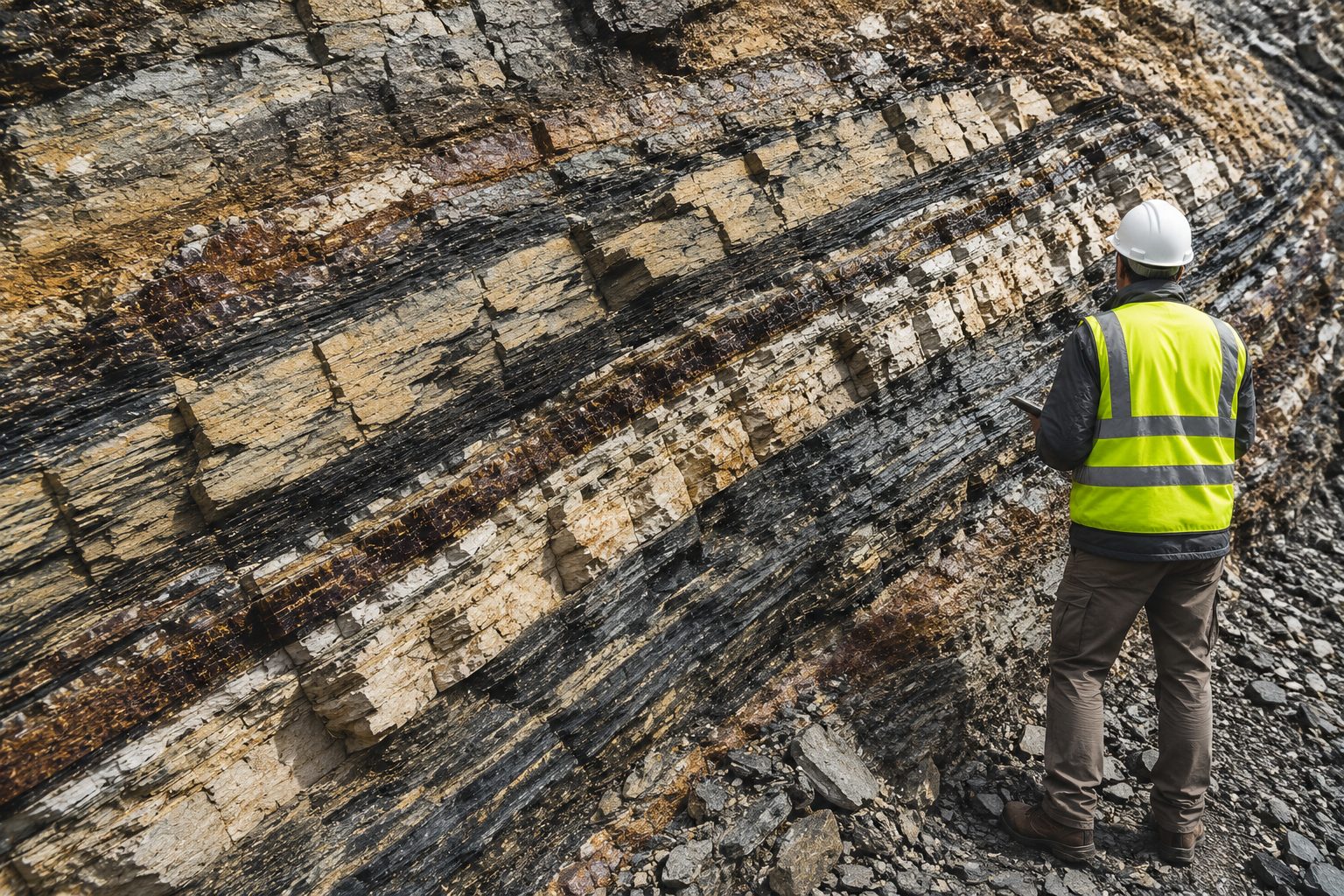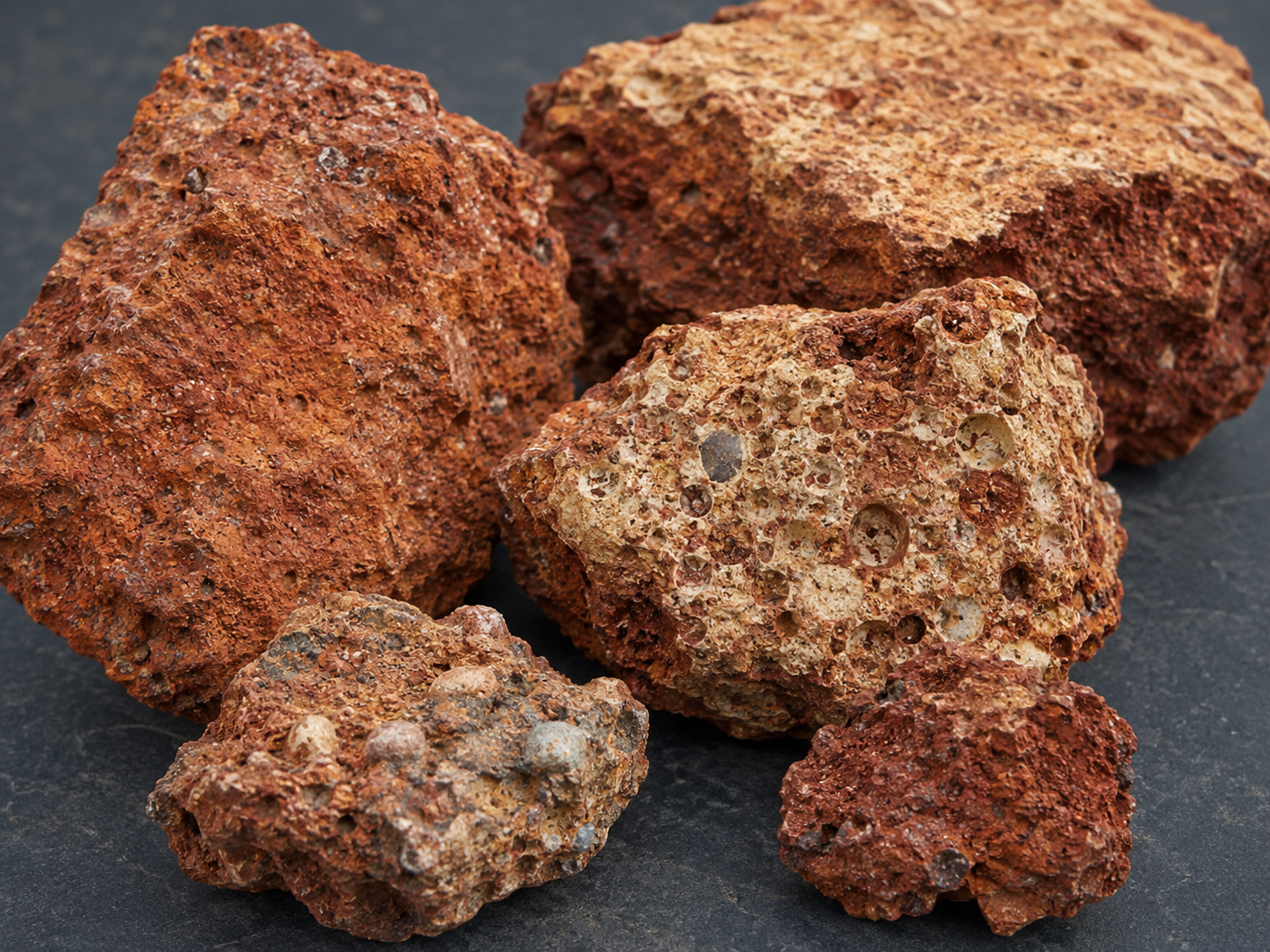


Bauxite probably does not sit high on the list of materials most people associate with modern warfare.
Missiles, aircraft, space systems and advanced weapons bring to mind semiconductors, rare earths and sophisticated electronics. But further down those supply chains are much less glamorous materials that still have to be available for those systems to be built.
Refractory-grade bauxite is one of them.
On August 7, the U.S. Department of War announced an $85.5 million equity investment agreement with Strategic Bauxite USA to develop what it describes as a secure, vertically integrated U.S. supply chain for refractory-grade bauxite.¹
Another $64.5 million is expected to come from private-sector co-investment, taking the combined commitment to around $150 million. The money is intended to support the acquisition and expansion of the First Bauxite mine in Guyana, develop processing capacity and contribute towards a future brown-fused alumina facility in the United States.¹
Why does bauxite matter to defence?
Not all bauxite ends up in the same place.
Refractory-grade bauxite is valued for applications that need to withstand extremely high temperatures. It ultimately feeds into materials used in heat shields, thermal barriers and turbine engines found across guided missiles, rockets, military aircraft and space systems. It also has wider industrial uses across steel and aluminium production, furnaces and energy infrastructure.¹
That makes the issue less about whether the mineral sounds strategically important and more about what happens when it is unavailable.
A highly advanced aircraft can still depend on comparatively basic materials somewhere deep in its manufacturing chain. Lose access to one of those inputs and the sophistication of everything further downstream does not solve the problem.
The bigger issue is where it comes from
The U.S. government says the majority of the refractory-grade bauxite entering its supply chain currently comes either directly from China or from Chinese-owned entities.¹
That dependency has become increasingly uncomfortable as Washington attempts to reduce Chinese exposure across the minerals and materials used by its defence industry.
And bauxite is not an isolated example.
U.S. defence companies have recently been looking for alternative North American supplies of minerals including scandium and germanium, while government-backed investment is being directed into a growing range of critical-material projects.
What is changing is the willingness of government to intervene much earlier in the chain.
Instead of simply buying the finished missile, aircraft or sensor, the U.S. is increasingly looking backwards through the manufacturing process and asking where the vulnerable inputs originate, who controls their processing and whether an alternative supply chain could survive geopolitical disruption.
Why Guyana?
This is where the Strategic Bauxite agreement becomes particularly interesting.
Rather than attempting to relocate every stage of production inside the United States, the project starts with the First Bauxite operation in Guyana and then connects that resource to processing infrastructure and ultimately manufacturing capacity in the U.S.¹
It is effectively an attempt to build a western-hemisphere supply chain from the mine onwards.
Guyana therefore becomes more than simply the location of a mineral deposit. If the project develops as intended, it becomes an upstream part of an American defence-industrial supply network. Local reporting in Guyana has similarly framed the investment as strengthening the country's role as a supplier of strategically important material to the United States.²
The U.S. Department of State is also supporting infrastructure associated with the project, illustrating that this is being treated as more than a straightforward commercial mining investment.¹
From the mine to the finished material
Perhaps the most important word in the announcement is not bauxite. It is vertically integrated.
Securing a mine does not necessarily secure a supply chain.
Raw materials frequently move through multiple countries before reaching the factory where they are finally turned into usable components. That means a country can reduce its dependence at the mining stage while remaining exposed at processing, refining or manufacturing.
The Strategic Bauxite plan attempts to cover several of those stages.
Alongside the Guyana mine, funding is intended for new calcination facilities, while a follow-on project would establish a brown-fused alumina facility in the United States.¹
If everything develops as planned, the Department says the resulting supply chain could eventually provide **100% of U.S. military demand for brown-fused alumina and 100% of overall U.S. demand for refractory bauxite.**¹
Those are significant ambitions.
Critical minerals are becoming defence infrastructure
There is a broader lesson here.
For decades, globalisation rewarded supply chains built around whichever supplier could produce something most efficiently. Nationality mattered less when materials could move relatively freely across borders.
Defence supply chains increasingly operate under a different calculation.
The question is no longer simply: Who can supply it cheapest?
It is also: Who controls it if relations deteriorate?
That helps explain why government capital is moving into projects that conventional investors might once have considered too slow, too capital intensive or too far removed from the finished defence product. The Department itself says its Industrial Base Analysis and Sustainment investments are being targeted at bottlenecks where private capital has historically been reluctant to invest because of long development timelines.¹
Rare earths may receive more attention, but the same logic can extend to dozens of less familiar materials hidden throughout a modern weapons system.
Bauxite is simply the latest reminder.
The most strategically important part of a missile may not always be the technology people can see. Sometimes it is the material several steps back in the supply chain that nobody thought about until access to it became uncertain.
Disclaimer: This article is for informational purposes only and does not constitute financial advice. Always conduct your own research before making investment decisions.
Sources
1. U.S. Department of War — Department of War Announces an $85.5 Million Agreement With Strategic Bauxite USA to Secure the Critical Refractory Grade Bauxite Supply Chain, August 7, 2026.
https://www.war.gov/News/Releases/Release/Article/4566604/department-of-war-announces-an-855-million-agreement-with-strategic-bauxite-usa/
2. Guyana Chronicle — US to invest US$85.5M to expand bauxite operations in Guyana, August 9, 2026.
https://guyanachronicle.com/2026/08/09/us-to-invest-us85-5m-to-expand-bauxite-operations-in-guyana/
3. Reuters — Reporting on U.S. defence companies seeking alternative domestic and allied sources of critical minerals, August 4, 2026.
https://www.reuters.com/business/aerospace-defense/lockheed-seeks-us-mineral-supplies-after-trump-supply-chain-push-sources-say-2026-08-04/
4. Associated Press — Reporting on U.S. efforts to reduce Chinese dependency for critical minerals used in weapons systems, August 2026.
https://apnews.com/article/df2b6c0f5fdd8b26143ce332336f6489