

Key Highlights
- Federal regulators approved a major nuclear expansion project in early November ¹
- U.S. electricity demand is now projected to rise for the first time in nearly two decades ²
- Data centers could consume up to 9% of U.S. power by 2030, according to recent estimates ³
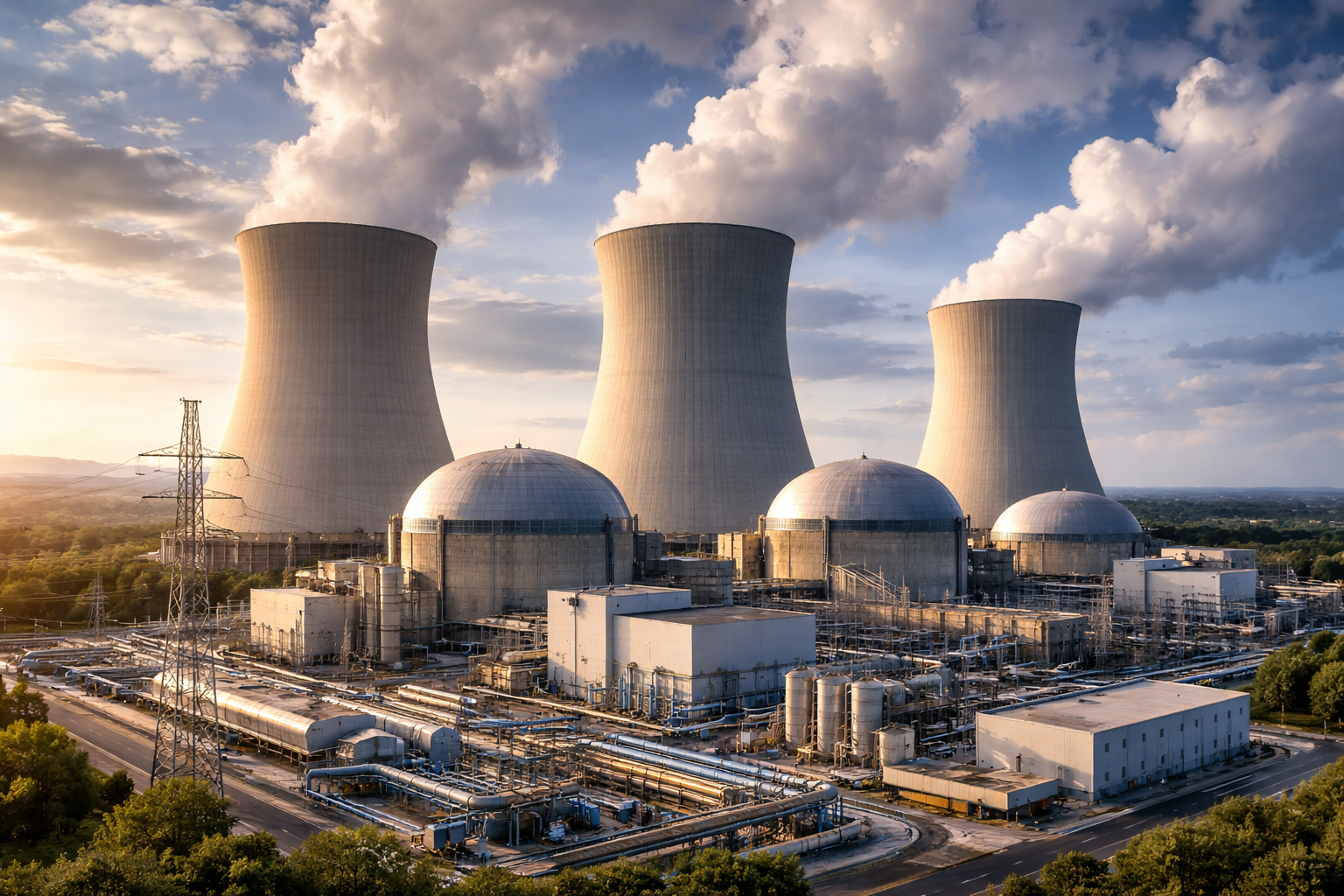
The U.S. Nuclear Regulatory Commission (NRC) approved a large-scale nuclear expansion project in early November, marking the first major permitting decision of its kind in decades ¹.
The facility is expected to add gigawatts of new baseload generation capacity and comes as electricity demand projections across the United States are being revised higher.
Electricity Demand Is Rising Again
After years of relatively flat growth, U.S. power consumption is increasing.
The Energy Information Administration (EIA) recently projected that total U.S. electricity demand could reach record highs in 2025 and 2026 ². A major driver is the rapid expansion of AI data centers, which analysts estimate could account for between 6% and 9% of total U.S. electricity consumption by the end of the decade ³.
Additional load growth is being fueled by:
- Domestic semiconductor fabrication facilities
- Electrification of vehicles and industrial processes
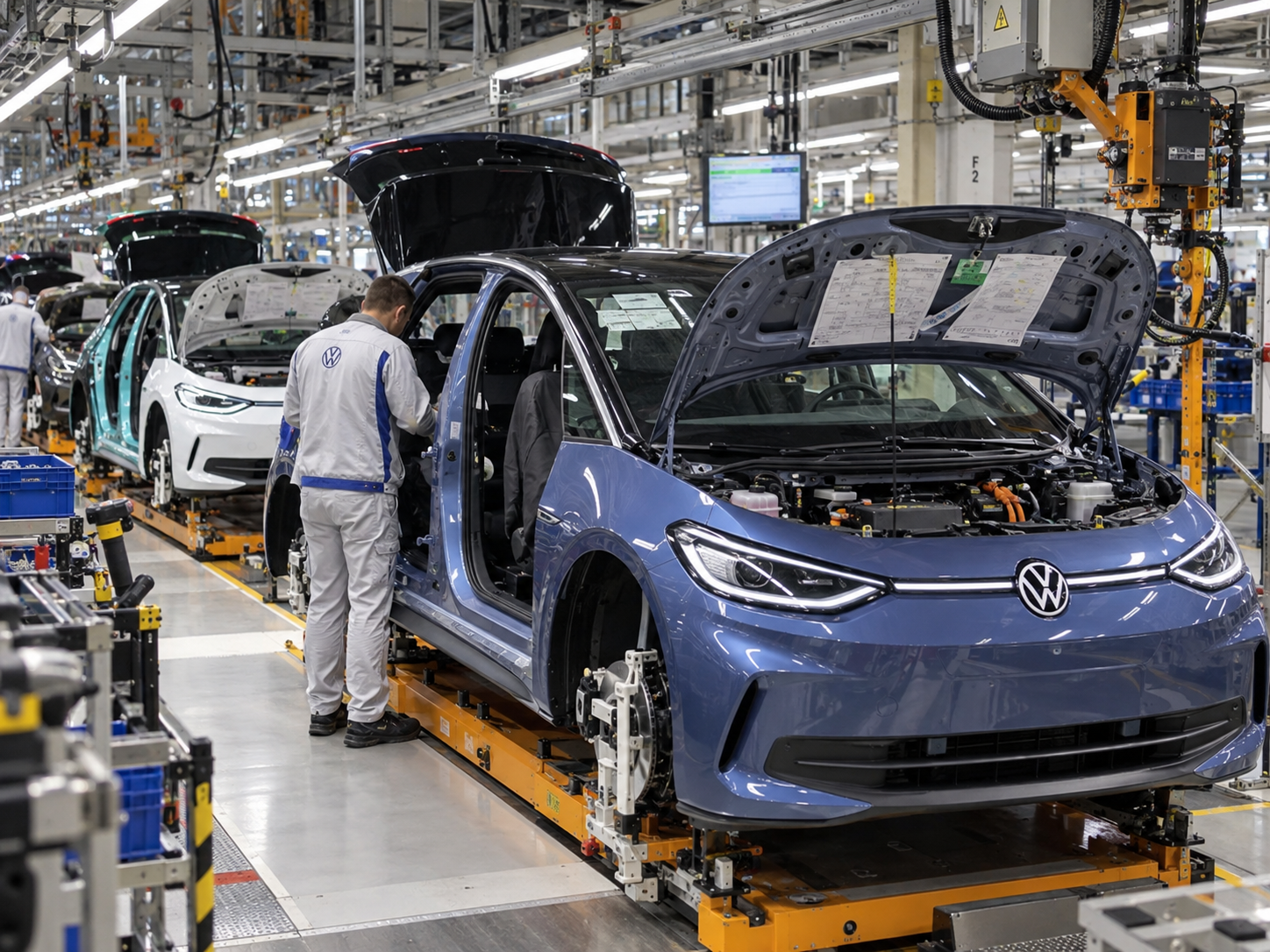
- Expansion of advanced manufacturing under federal incentives
Grid operators in several regions have warned that reserve margins are tightening, particularly during peak demand periods.
Nuclear as Baseload Stability
Nuclear power currently provides roughly 18–19% of U.S. electricity generation and more than half of the country’s carbon-free power ².
Unlike wind and solar, nuclear plants operate continuously and provide stable baseload capacity. Policymakers increasingly view that reliability as critical as intermittent renewable penetration rises and industrial demand accelerates.
The newly approved project is expected to move into phased construction planning over the next two years, subject to additional state-level and environmental approvals.
A Shift in Federal Energy Strategy
The November approval reflects a broader reassessment of generation strategy. After decades of limited new nuclear construction, energy security and grid reliability are again central policy considerations.
In parallel, the Department of Energy has expanded funding for advanced nuclear technologies, including small modular reactors (SMRs), which are being explored as scalable solutions for industrial campuses and data centers.
While large-scale nuclear projects face long construction timelines, the latest approval signals renewed institutional backing for diversified domestic power capacity.
As electricity demand accelerates, generation mix decisions are becoming closely tied to industrial competitiveness and infrastructure resilience.
Disclaimer: This article is for informational purposes only and does not constitute financial advice. Always conduct your own research before making investment decisions.
Sources:
¹ https://www.nrc.gov/reading-rm/doc-collections/news/
² https://www.eia.gov/outlooks/steo/
³ https://www.iea.org/reports/electricity-2024