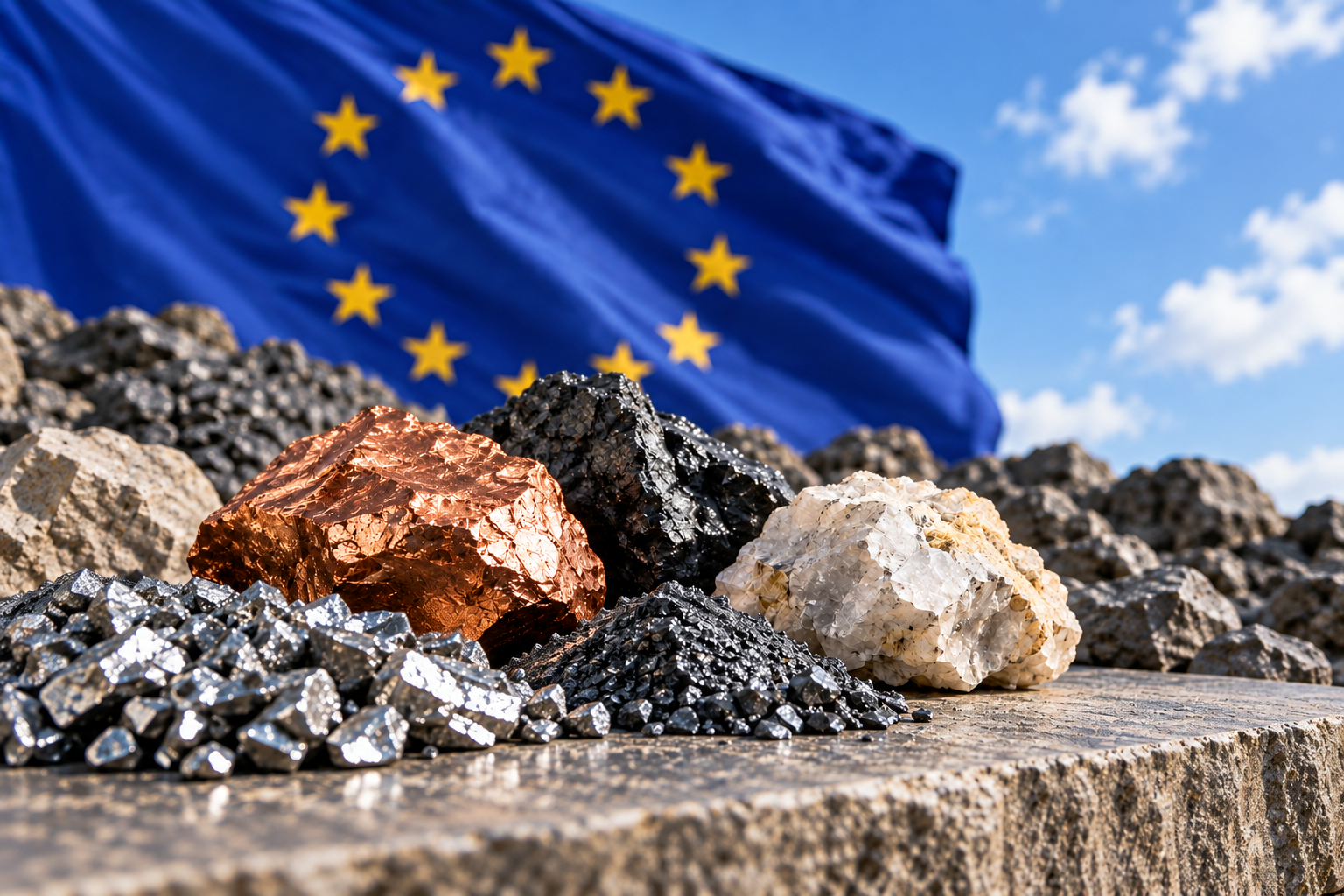


The European Commission's Clean Energy Investment Strategy, adopted in March, sets out one of the most detailed plans yet to direct capital into Europe's energy transition. Backed by more than €75 billion of financing from the European Investment Bank over three years, the strategy's central task is not simply to fund the transition itself, but to make clean energy projects attractive enough for private capital to do the heavy lifting.
The Scale of the Challenge
The numbers behind the strategy are striking. The Commission estimates that achieving its energy and climate goals will require roughly €660 billion of annual investment through 2030, rising to €695 billion per year in the decade that follows. That compares with an annual average of €240 billion recorded between 2011 and 2021, meaning the required pace of spending must nearly triple.
Commissioner for Energy and Housing Dan Jørgensen has been direct about what this means: public financing alone will not be enough. The EIB's commitment is designed to act as a catalyst, absorbing risk and signalling to institutional investors that Europe's energy infrastructure pipeline is worth backing at scale.
Four Levers for Change
The strategy is built around four practical measures. The first focuses on grid infrastructure, which analysts increasingly identify as the transition's most critical bottleneck. The EIB will set up a Strategic Infrastructure Investment Fund to provide equity to grid operators, with an initial commitment of up to €500 million. The Commission is also exploring a facility that would allow grid operators to convert future regulated revenue streams into immediate liquidity, easing balance sheet pressure.
The second measure aims to support banks in lending more freely to smaller grid operators through loan securitisation. The third provides targeted public funding to reduce the risks of investing in newer technologies, including small modular nuclear reactors and innovative energy efficiency solutions. A €500 million pilot scheme will also promote "energy efficiency as a service" financing models for businesses and households. The fourth measure establishes an Energy Transition Investment Council, bringing together the Commission, EU governments and the financial sector. Its first meeting is expected in the second quarter of 2026.
Where the Doubts Lie
Independent analysts have welcomed the strategy's diagnosis of the problem, but question whether the tools it proposes are sufficient. The Institute for Energy Economics and Financial Analysis concludes that the strategy correctly identifies the scale of the investment gap, but underestimates structural barriers that no amount of financial engineering can easily fix. Permitting delays, skills shortages, fragmented regulation across 27 member states and supply chain weaknesses are all cited as concerns that the strategy does not adequately address.
The comparison with North America is instructive. Analysts note that the United States has attracted large-scale clean energy capital by combining clear demand signals, federal policy alignment and committed spending from technology companies. Europe, by contrast, is still working to build that kind of coherent investment narrative, particularly for private institutional investors unfamiliar with complex energy infrastructure assets.
What Comes Next
Despite the questions, the structural case for the strategy is sound. Geopolitical pressure and the push for energy security are giving European policymakers stronger arguments to accelerate permitting reform and grid investment. Germany's €500 billion infrastructure fund also signals that public demand for clean energy capacity will be sustained over time, providing the kind of visibility that long-term investors require.
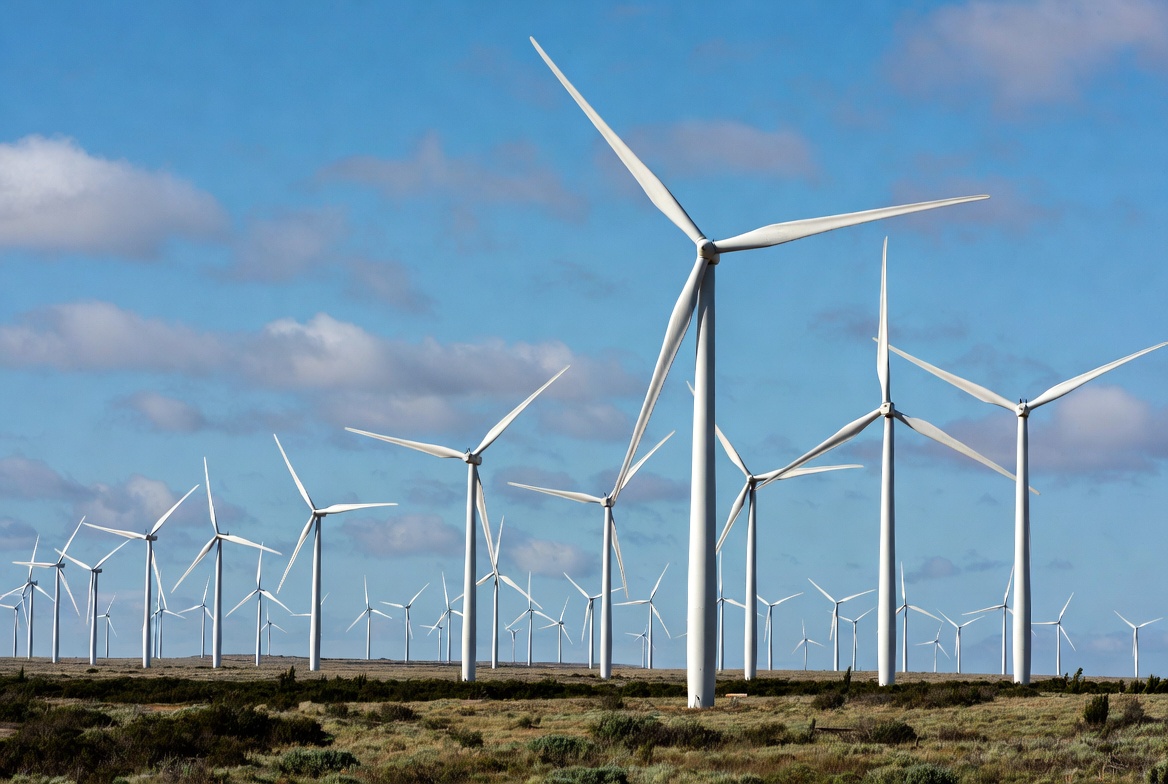
The strategy's success will ultimately depend less on the financial instruments it introduces and more on whether member states can accelerate real-world deployment of wind power, grid connections, and storage. The investment framework is in place. Delivery is now the test.