A Step Forward for Energy Storage
In the final week of October 2025, researchers reported encouraging results in the development of solid state batteries, a technology long viewed as a potential game changer for electric vehicles. The findings suggest that key technical barriers may be closer to resolution, raising hopes for safer, longer range cars in the years ahead.
While conventional lithium ion batteries have powered the growth of electric vehicles over the past decade, they rely on liquid electrolytes to move charged particles between electrodes. Solid state batteries replace this liquid with a solid material, a change that could significantly improve performance and safety.
Why Solid State Matters
The appeal of solid state batteries lies in their potential advantages. They are expected to store more energy in a smaller space, meaning vehicles could travel further on a single charge. They may also charge more quickly and reduce the risk of overheating or fire.
For drivers, this could translate into fewer charging stops and greater confidence in long distance travel. For manufacturers, improved battery density would allow more flexible vehicle design and potentially lower long term production costs.
However, developing a reliable solid electrolyte that performs consistently over many charge cycles has proven difficult. Microscopic defects can reduce efficiency or shorten battery life. Scaling laboratory success into mass production has been another major challenge.
From Laboratory to Production
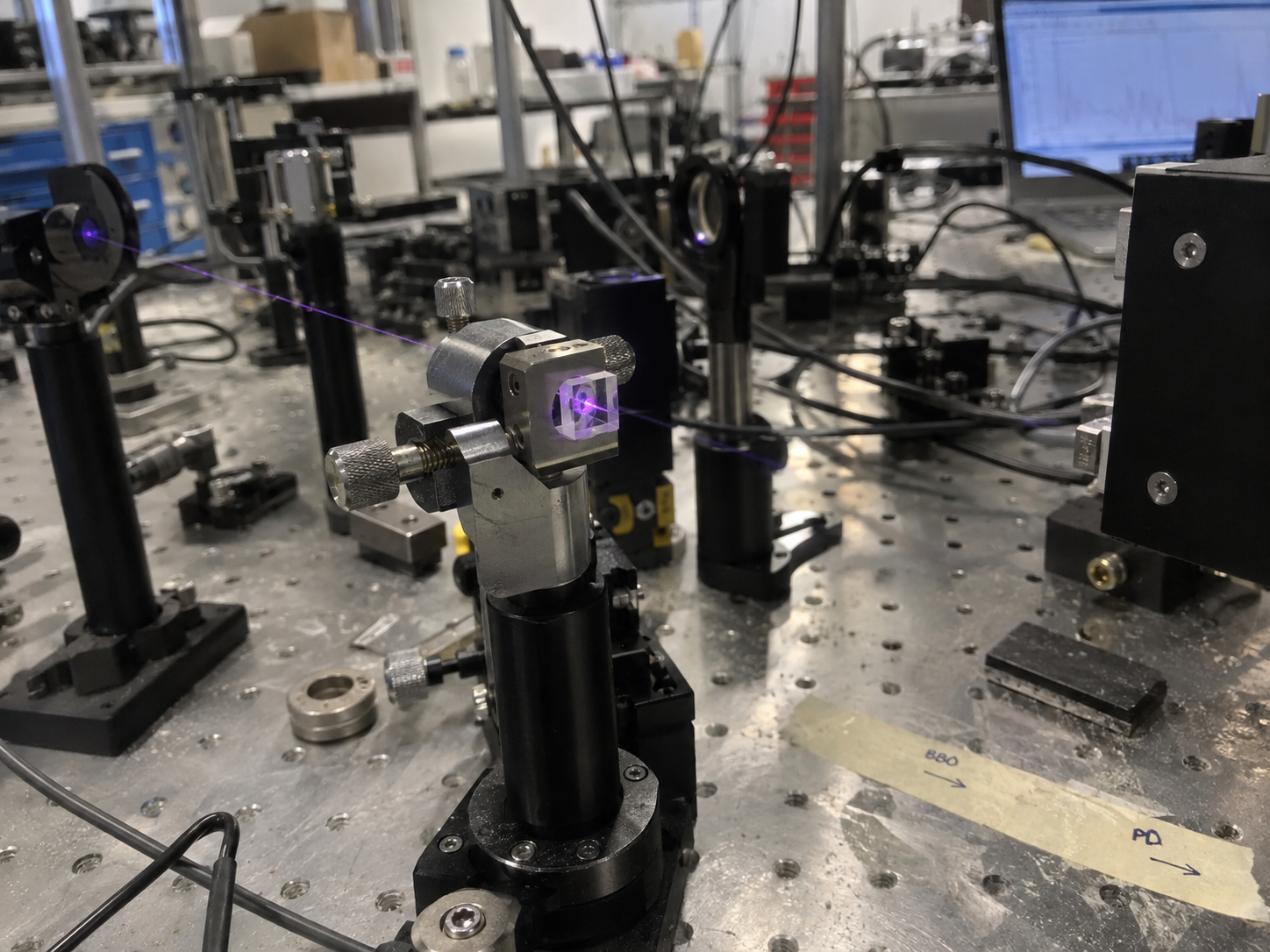
The recent research focused on improving stability within the battery structure. Scientists reported progress in reducing degradation at the interface between the solid electrolyte and the electrodes. This interface has been one of the most problematic areas in solid state designs.
Although the work remains at a development stage, industry observers believe it represents a meaningful step toward commercial viability. Automakers and battery manufacturers have been investing heavily in solid state research, viewing it as a key factor in maintaining competitiveness in a rapidly evolving market.
Even with positive laboratory results, widespread adoption is unlikely to happen overnight. Production facilities must be adapted or rebuilt, supply chains secured and safety standards validated before vehicles equipped with solid state batteries reach showrooms.
Implications for the Electric Vehicle Market
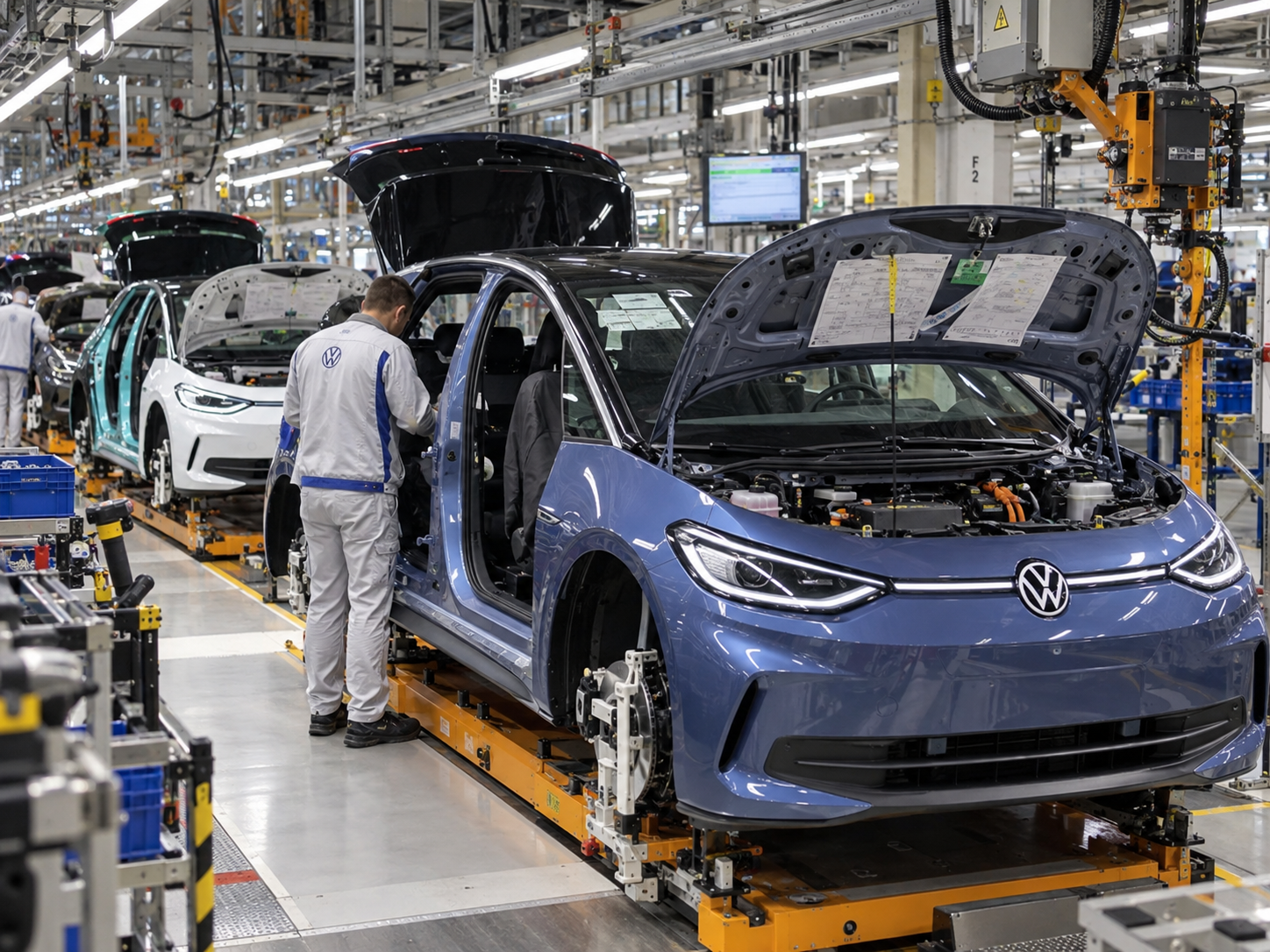
If commercialised successfully, solid state batteries could reshape the electric vehicle landscape. Greater range and faster charging would address two of the most common consumer concerns. This could accelerate adoption, particularly in regions where charging infrastructure remains limited.
There may also be broader energy implications. Improved battery technology can support grid storage and renewable energy integration, strengthening energy resilience beyond the transport sector.
For now, the announcement represents cautious optimism rather than immediate transformation. Yet it underscores the pace of innovation in energy storage. As research continues, solid state technology may move from experimental promise to everyday reality, marking another milestone in the shift toward electrified transport.