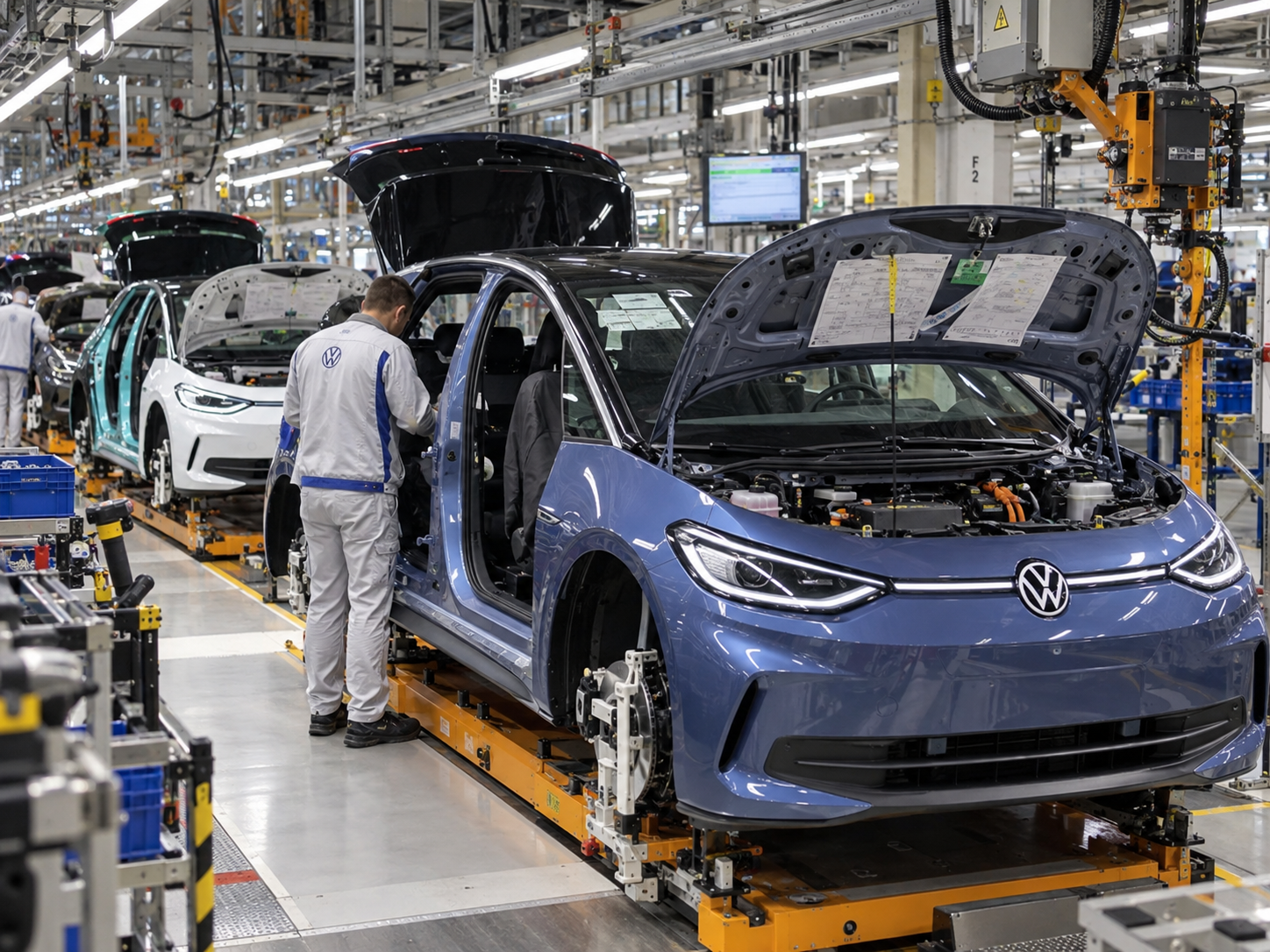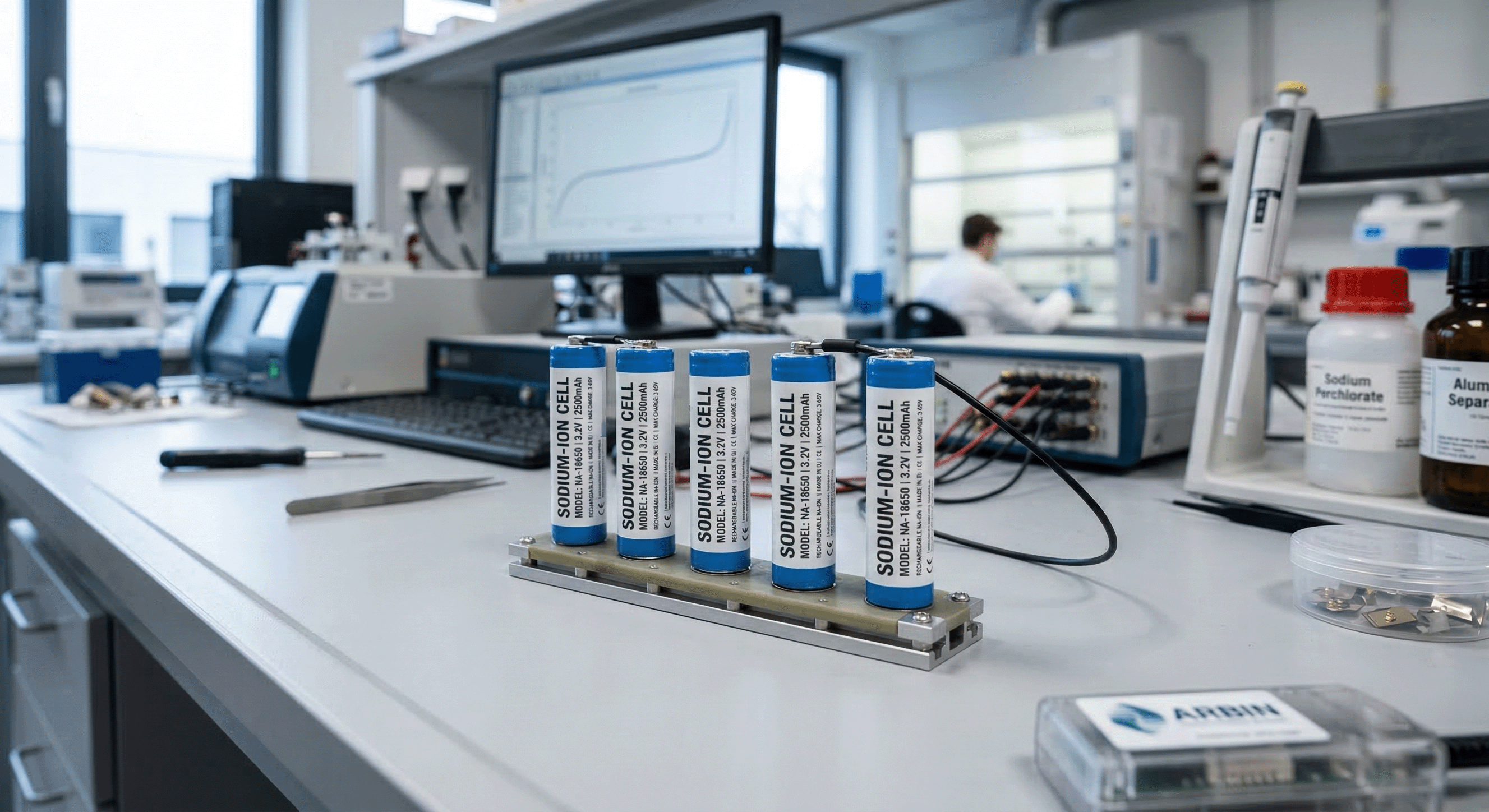


For years, sodium-ion batteries have been a promising idea that never quite arrived. That is beginning to change. In February 2026, Chinese battery giant CATL and automaker Changan unveiled what they describe as the world's first mass-production passenger car powered by sodium-ion technology. The vehicle is due to go on sale by mid-2026, and it marks a genuine turning point for a battery chemistry that has long sat in lithium-ion's shadow.
Why Sodium Makes Sense
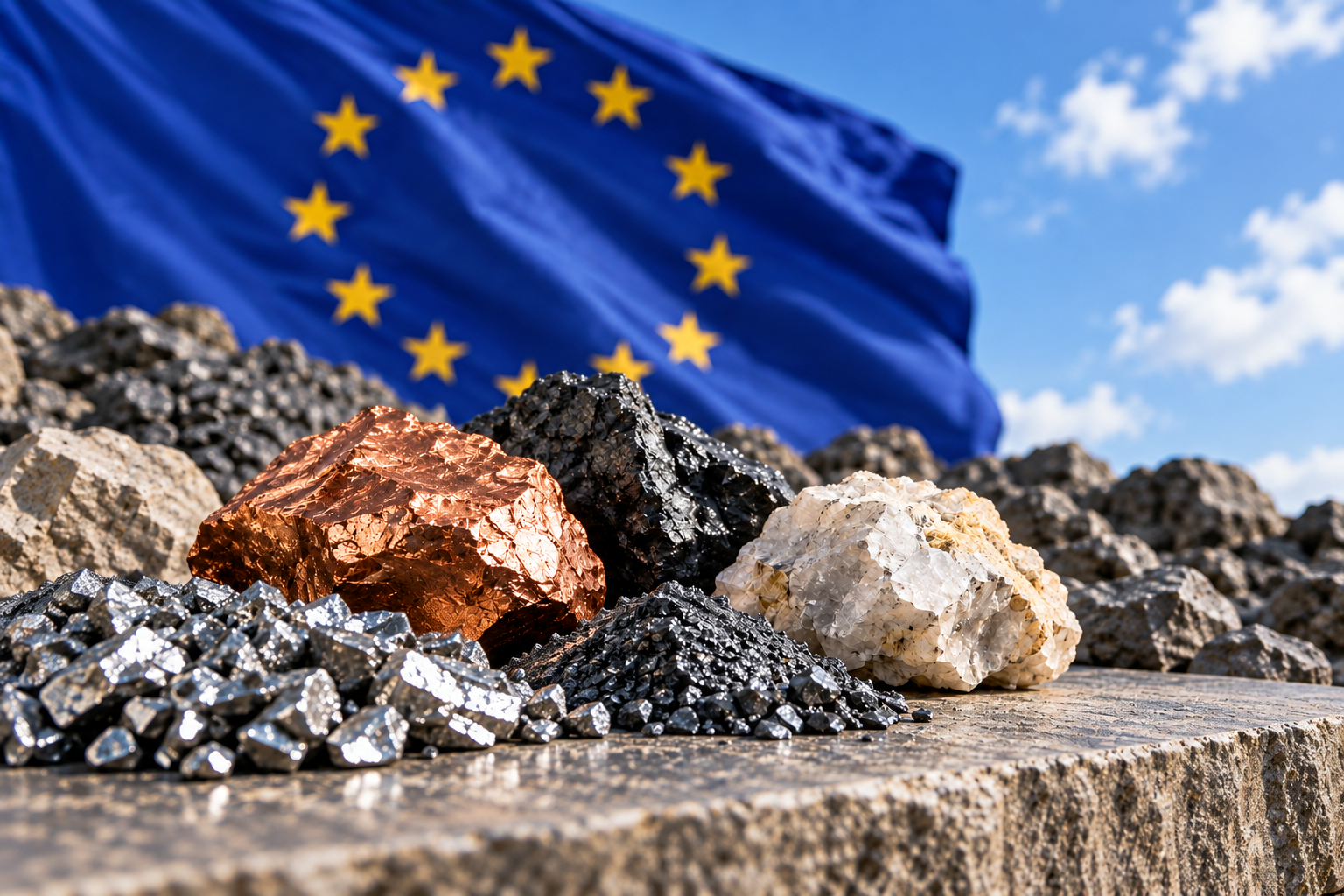
The case for sodium is straightforward. Lithium is a limited resource, mined in only a handful of countries, and its price has been volatile for years. Sodium, by contrast, is one of the most abundant elements on earth. It is found in seawater, in rock salt, and in almost every soil type on the planet. The basic science is similar to lithium-ion: ions move between two electrodes to store and release energy. But the supply chain behind it is far more resilient.
CATL's Naxtra battery, the brand name for its sodium-ion product line, achieves an energy density of up to 175 Wh/kg. That is roughly on a par with lithium iron phosphate batteries, which currently power the majority of affordable electric vehicles. Range for the first Changan model is estimated at around 400 kilometres, with future versions expected to reach 500 to 600 kilometres as the supply chain matures.
Cold Weather and Grid Storage
Where sodium-ion technology really stands out is in extreme conditions. At minus 30 degrees Celsius, the Naxtra battery delivers nearly three times the discharge power of an equivalent lithium iron phosphate battery. It retains more than 90 per cent of its capacity at minus 40 degrees, and power delivery remains stable at minus 50 degrees. For drivers in cold regions of Europe, Canada, and northern Asia, this is a significant practical advantage.
The potential impact on energy grids may be just as important as the gains for electric vehicles. Storing electricity generated by solar panels and wind turbines has long been one of the biggest challenges in the clean energy transition. Sodium-ion batteries, with their lower cost and long cycle life, are well suited to large-scale grid storage. US startup Peak Energy is already deploying sodium-ion systems for this purpose, and MIT Technology Review named the technology one of its ten breakthrough technologies of 2026.
A Dual-Chemistry Future
CATL is clear that sodium-ion is not a replacement for lithium-ion but a complement to it. The company describes a "dual-chemistry ecosystem" in which both technologies serve different needs. Sodium-ion suits shorter-range vehicles, cold climates, and grid storage. Lithium-ion, particularly high-energy nickel-based chemistries, continues to lead for longer ranges and high-performance vehicles.
Analysts expect the sodium-ion market to grow substantially through 2030. If production scales as manufacturers hope, the technology could help reduce the EV industry's dependence on a small number of lithium-producing nations. That would bring a degree of supply chain stability that the battery sector has lacked for much of the past decade.