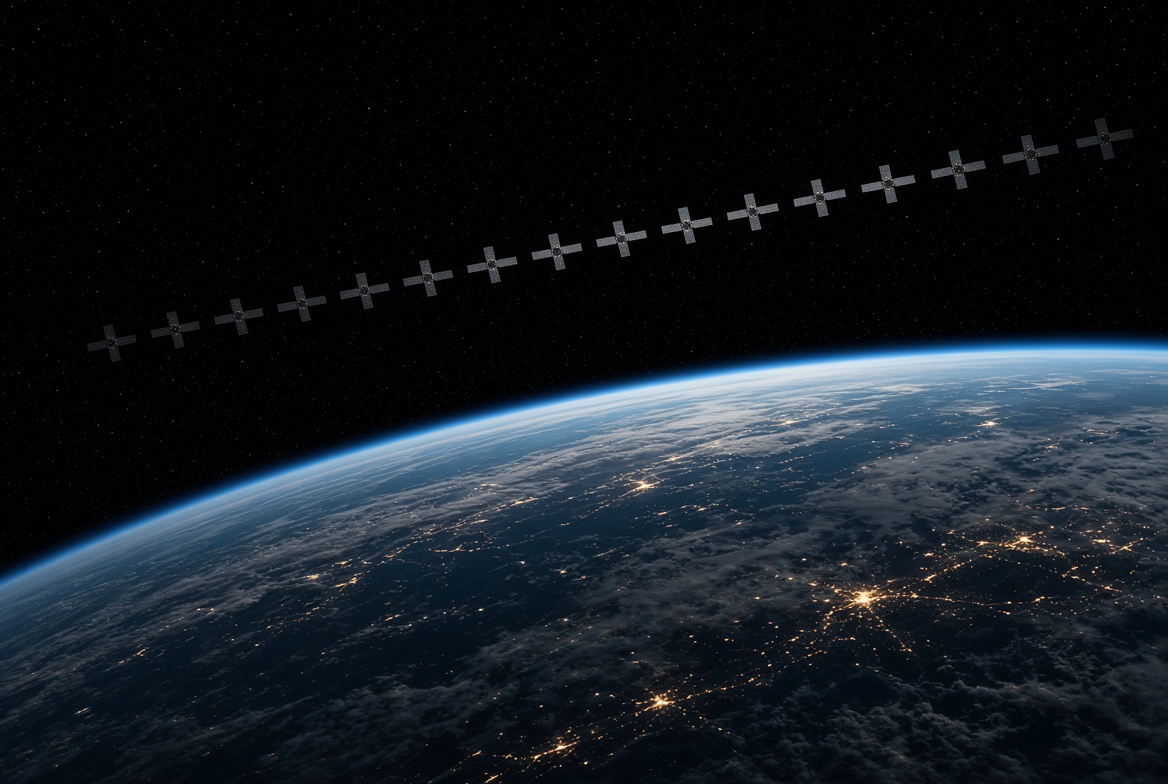


Skywatchers across the Northern Hemisphere are preparing for one of the busiest days in the astronomical calendar in decades. On Wednesday 12 August, a parade of six planets appears before dawn, a total solar eclipse sweeps across parts of Europe during the day, and the Perseid meteor shower reaches its peak after dark. Remarkably, a single celestial circumstance makes all three possible: the new moon.
Europe's first totality since 1999
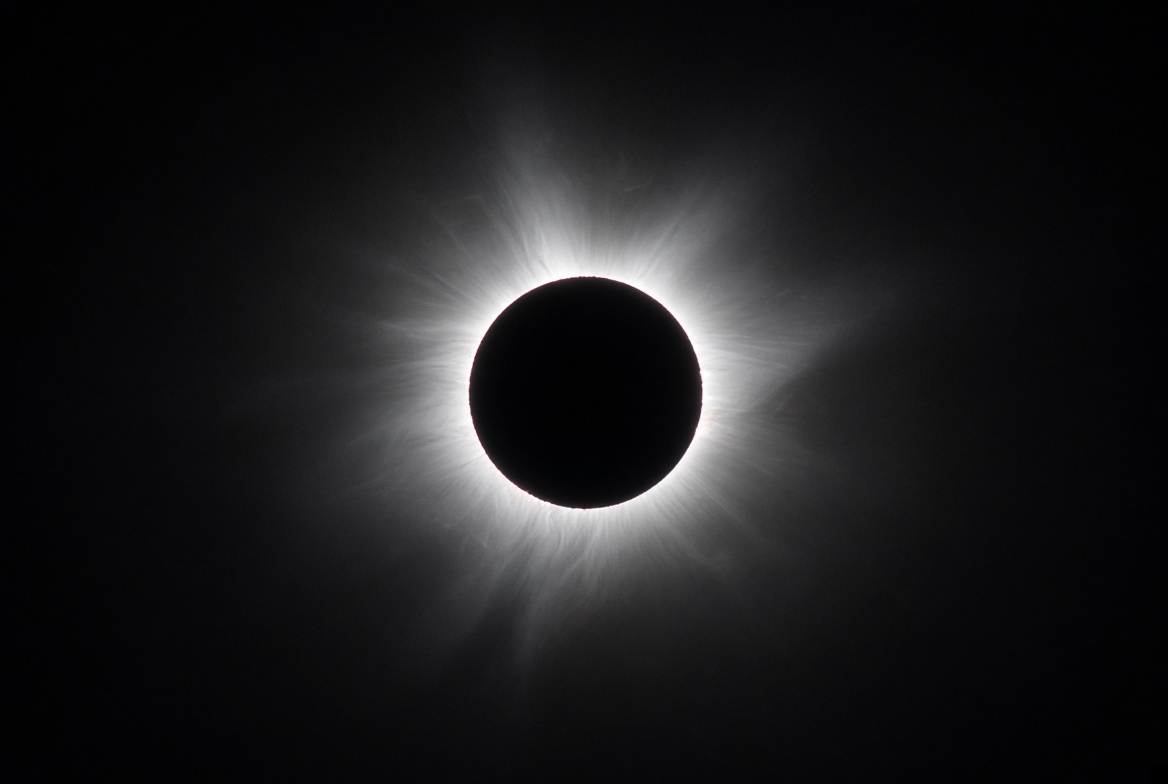
The headline event is the eclipse. The Moon's shadow begins its journey over Siberia, crosses the Arctic and eastern Greenland, clips western Iceland and then curves down across the North Atlantic before reaching northern Spain close to sunset. It is the first total solar eclipse visible from mainland Europe since 1999, and the first seen from the Iberian Peninsula in more than a century.
The path of totality, the narrow band where the Moon completely covers the Sun, is only about 290 kilometres wide. The longest period of darkness, 2 minutes and 18 seconds, falls over the ocean just off Iceland's west coast, and Reykjavik experiences roughly a minute of totality in the late afternoon. In Spain, the shadow crosses a band running from Galicia through Bilbao, Zaragoza and Valencia at around 8.30pm local time, with the Sun sitting only a few degrees above the horizon.
Observers outside the path are not left out. A partial eclipse is visible across much of Europe, including the United Kingdom, as well as most of Canada, parts of the northern United States and northwestern Africa. NASA plans to stream the event live. Eye protection remains essential at all times except during the brief total phase itself.
A dark stage for the Perseids
As night falls, attention turns to the Perseids, widely regarded as the most reliable meteor shower of the year. The shower peaks on the night of 12 to 13 August, when observers at a dark site can expect to see between 50 and 75 meteors per hour, with some estimates reaching 100 under ideal conditions.
The meteors are debris from Comet Swift-Tuttle, which last passed through the inner solar system in 1992. Each August, Earth ploughs through the dust trail the comet leaves behind, and the fragments burn up in the atmosphere as bright, fast streaks. This year the display benefits from completely moonless skies, so even faint meteors stand a chance of being seen. No equipment is needed, just a dark location, a clear view and patience.
Six planets before sunrise
The day begins with a quieter spectacle. In the hours before dawn, six planets stretch across the morning sky: Jupiter, Mercury, Mars, Saturn, Uranus and Neptune. The first four are visible to the naked eye, while Uranus and Neptune require binoculars or a small telescope. Mercury and Jupiter sit low above the eastern horizon, so an unobstructed view and clear conditions make a real difference. The arrangement lasts for several mornings, giving observers more than one chance if clouds interfere.
The new moon connection
What ties the day together is lunar geometry. A solar eclipse can only happen at a new moon, when the Moon passes directly between Earth and the Sun. That same phase means no moonlight brightens the night sky, which is precisely what allows the Perseids, and the fainter planets, to shine. The alignment of all three events on one date is a rare piece of celestial timing. For anyone with clear skies on 12 August, the advice is simple: look up early, look up safely at midday, and keep looking up after dark.