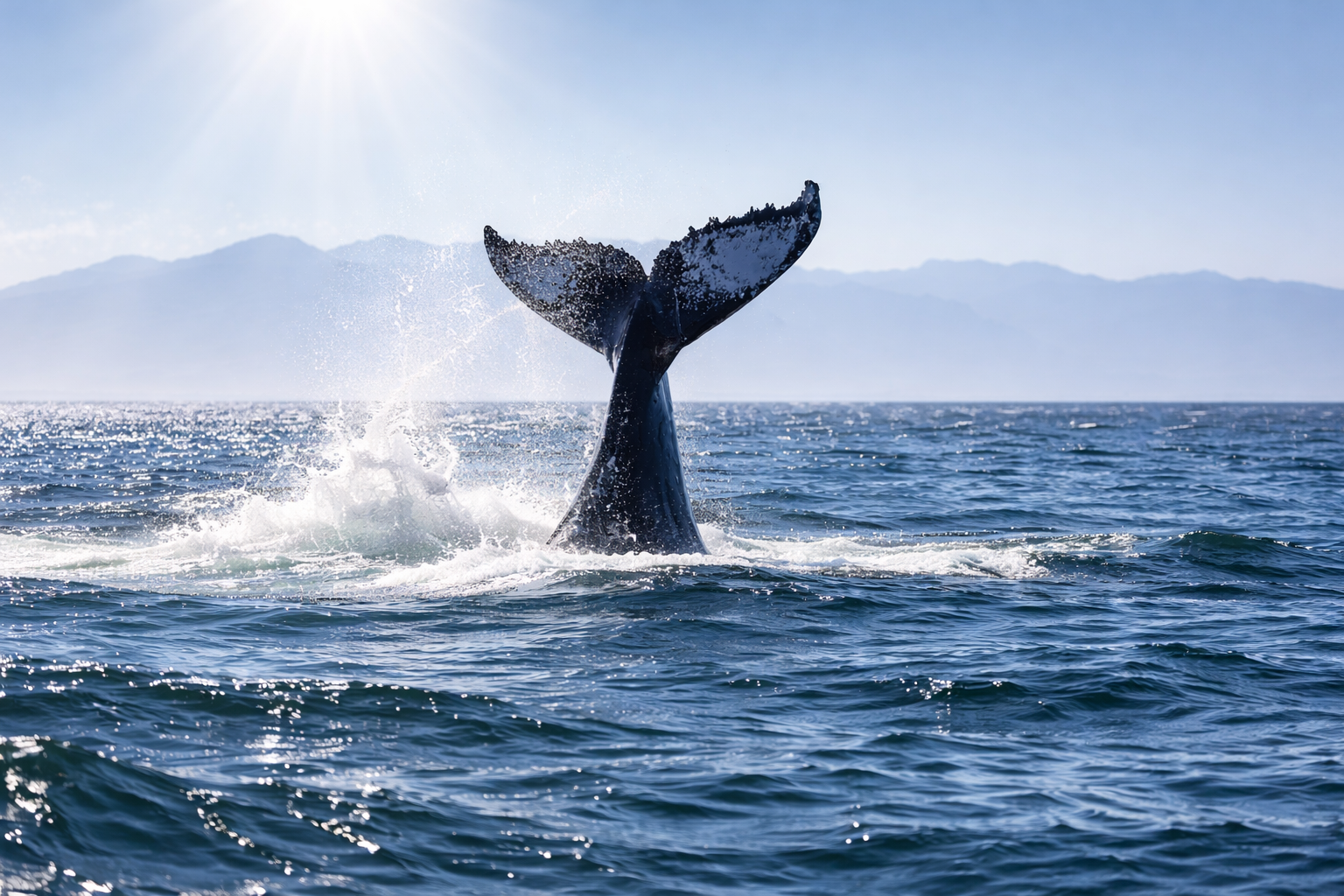


After nearly 20 years of negotiations, the world finally has a legal framework to protect the two-thirds of ocean that belongs to no one — and to regulate what happens there.
Key Highlights:
- 60 nations ratified the High Seas Treaty on September 19, triggering a 120-day countdown to entry into force on January 17, 2026 ¹
- The treaty covers international waters — nearly half the Earth's surface — where just 1% is currently protected ¹
- It enables the creation of marine protected areas on the high seas for the first time and mandates environmental impact assessments for commercial activities including deep-sea mining ²
- Ocean-linked sectors contribute an estimated $1.5 trillion to the global economy annually; China exports $155 billion in ocean-related goods, the U.S. $61 billion ²
- The EU has committed €40 million to support implementation; the U.S., U.K., and Australia have signed but not yet ratified ²
Morocco and Sierra Leone became the 60th and 61st nations to ratify the agreement on September 19, crossing the threshold needed during UN High-Level Week in New York ¹. The pace was remarkable — reaching 60 ratifications in just over two years, compared with the 12 years it took the UN Convention on the Law of the Sea to enter into force.
The treaty fills what has been a major gap in international law. Until now, no single framework existed to protect biodiversity or regulate commercial activity across the high seas. That changes in January, when the agreement becomes legally binding for all ratifying nations ¹.
For industries operating in or dependent on international waters — from shipping and industrial fishing to deep-sea mineral exploration and marine biotechnology — the treaty introduces new rules. Environmental impact assessments will be mandatory for activities that could cause significant harm. New marine protected areas could restrict access to some of the ocean's richest resource zones. And a new benefit-sharing framework for marine genetic resources — compounds already used in pharmaceuticals, cosmetics, and food supplements — will reshape how those discoveries are commercialized ².
Several sites are already being prepared as candidates for the first high seas MPAs, including the Sargasso Sea, the Nazca Ridges off South America, and the Thermal Dome in the Eastern Pacific ¹.
UN Secretary-General António Guterres called the milestone "a historic achievement for the ocean and for multilateralism." The first Conference of the Parties must convene within a year to establish the enforcement mechanisms, governing structures, and funding systems that will determine how quickly the agreement moves from paper to practice ².
Disclaimer: This article is for informational purposes only and does not constitute financial advice. Always conduct your own research before making investment decisions.
Sources:
- https://highseasalliance.org/2025/09/19/historic-milestone-for-global-ocean-protection-60th-ratification-triggers-entry-into-force-of-high-seas-treaty/
- https://news.un.org/en/story/2026/01/1166762