

A City Focused on the Future
As Climate Week NYC unfolded from 21 to 28 September 2025, one theme dominated discussions across conference halls and corporate forums: energy resilience. Against a backdrop of rising global temperatures and growing demand for electricity, leaders from business, government and civil society gathered to ask how power systems can remain stable under pressure.
New York has become an annual meeting point for climate policy and industry strategy. This year, however, the tone felt more urgent. Electrification is accelerating across transport, heating and heavy industry. At the same time, artificial intelligence and data centres are consuming increasing amounts of electricity. The challenge is no longer simply about producing cleaner power. It is about ensuring that grids can cope with rapid change.
The Strain on Modern Grids
Energy experts warned that many power networks were built for a different era. Designed around centralised fossil fuel plants and predictable consumption patterns, they now face more variable supply from wind and solar, alongside sharp peaks in demand.
Extreme weather adds another layer of risk. Heatwaves, storms and flooding can damage infrastructure and disrupt supply. In this context, resilience means more than backup generators. It refers to smarter systems that can detect faults quickly, reroute power and recover from disruption with minimal downtime.
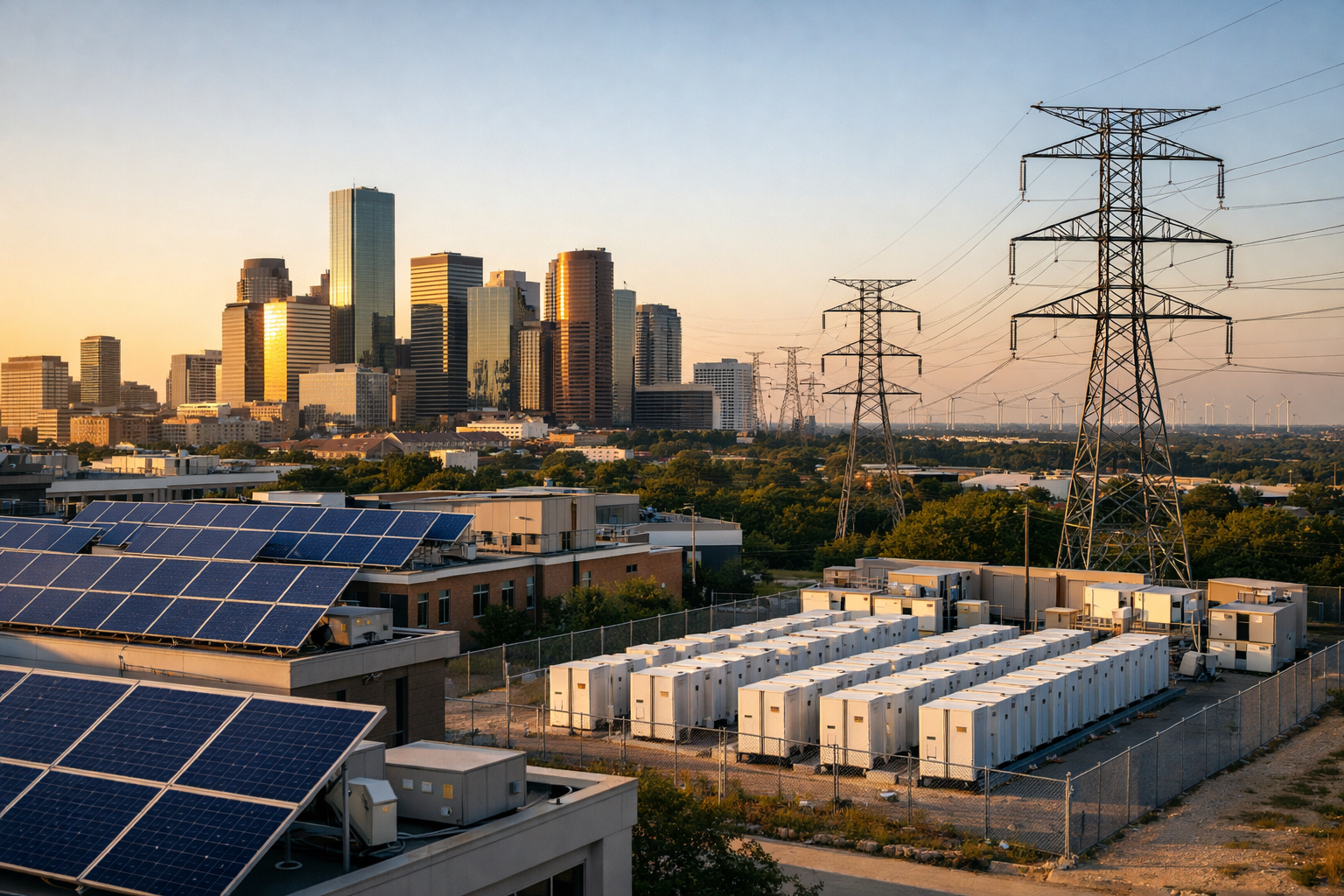
Companies presenting during the week outlined investments in digital monitoring tools, automated substations and improved battery storage. These technologies aim to make networks more flexible and responsive, reducing the likelihood of widespread outages.
The Role of Technology and Infrastructure
Digital tools were a recurring topic. Sensors embedded across grids can provide real time data on performance and stress points. Advanced software can then predict where failures may occur before they happen.
Water infrastructure was also part of the conversation. As cities expand and climate patterns shift, managing water and energy together becomes increasingly important. Pumping, treatment and distribution systems all rely heavily on electricity. Improving their efficiency can reduce strain on the grid while strengthening urban resilience.
The emphasis throughout Climate Week was on practical steps rather than distant promises. Speakers focused on upgrading existing systems, encouraging public private partnerships and ensuring that new infrastructure is built with future conditions in mind.
Balancing Cost and Climate Goals
Resilience does not come without expense. Upgrading grids, installing storage and modernising networks require significant investment. Policymakers face the delicate task of protecting consumers from rising costs while still driving the transition to cleaner energy.
Yet many participants argued that the cost of inaction would be higher. Power outages, damaged infrastructure and climate related disruption can have severe economic consequences. Investing now, they suggested, may prevent deeper losses later.
As Climate Week concluded, one message was clear. The energy transition is no longer just about replacing fossil fuels with renewables. It is about building systems that can withstand a more unpredictable world. Resilience has moved from technical jargon to a central pillar of climate strategy.