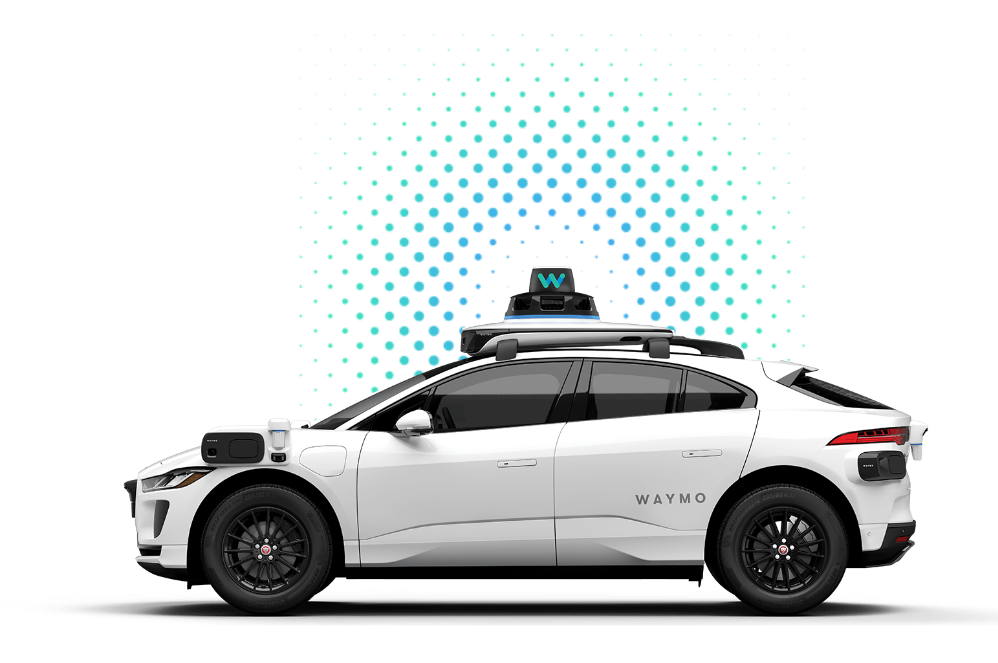


Waymo announces the launch of fully driverless rides in four more US cities this week, adding San Diego, Las Vegas, Tampa and Denver to its network. The Alphabet-owned company already operates in more than ten cities, and the simultaneous four-city rollout marks its largest single expansion to date. For a technology long promised and often delayed, the announcement signals something new: robotaxis are becoming part of ordinary urban life in the United States.
From experiment to infrastructure
Waymo's driverless network now handles more than 500,000 paid trips every week, and the company targets one million weekly rides by the end of 2026. The new cities follow an earlier wave of launches in Dallas, Houston, Orlando and San Antonio. Rides in each new market begin with Alphabet employees in the coming weeks, before invitations extend to the public through the Waymo app.
The company is not alone. Tesla expands its Robotaxi service beyond Austin into other parts of Texas and into Miami, where it operates without a safety monitor in the vehicle for the first time. Zoox, owned by Amazon, prepares to open its own service to members of the public in Austin and Miami later this year. Three of the largest technology companies in the world now run, or soon plan to run, driverless taxi fleets on public roads.
Different roads to the same destination
The competitors take contrasting approaches. Waymo expands gradually, city by city, with a fleet of around 4,000 vehicles fitted with its fifth and sixth generation driving systems, according to regulatory filings. It also begins testing a new vehicle platform, the Hyundai IONIQ 5, with a specialist on board during validation. Tesla moves faster and with a far smaller fleet, betting that its camera-based software can scale quickly once proven.
For passengers, the experience is increasingly uniform: open an app, hail a car, and travel with no one in the driver's seat. What was a tourist curiosity in Phoenix and San Francisco is becoming a routine option in a growing list of cities.
Growing pains on public roads
Scale brings scrutiny. Waymo recalls almost 4,000 vehicles in June after cars entered motorway construction zones, and some vehicles drive into flooded roads during extreme weather. This week, the US road safety regulator asks autonomous vehicle developers to fix a pattern of vehicles interfering with first responders, setting a deadline at the end of July for proposed solutions. How the industry answers may shape public confidence as much as any expansion announcement.
What comes next
Waymo plans further launches in Detroit, Washington DC and Nashville, with London expected to become its first international market. If the company reaches its one million weekly rides target, driverless travel moves firmly from trial to transport system. The question for 2026 is no longer whether robotaxis work, but how quickly cities, regulators and passengers adjust to them.