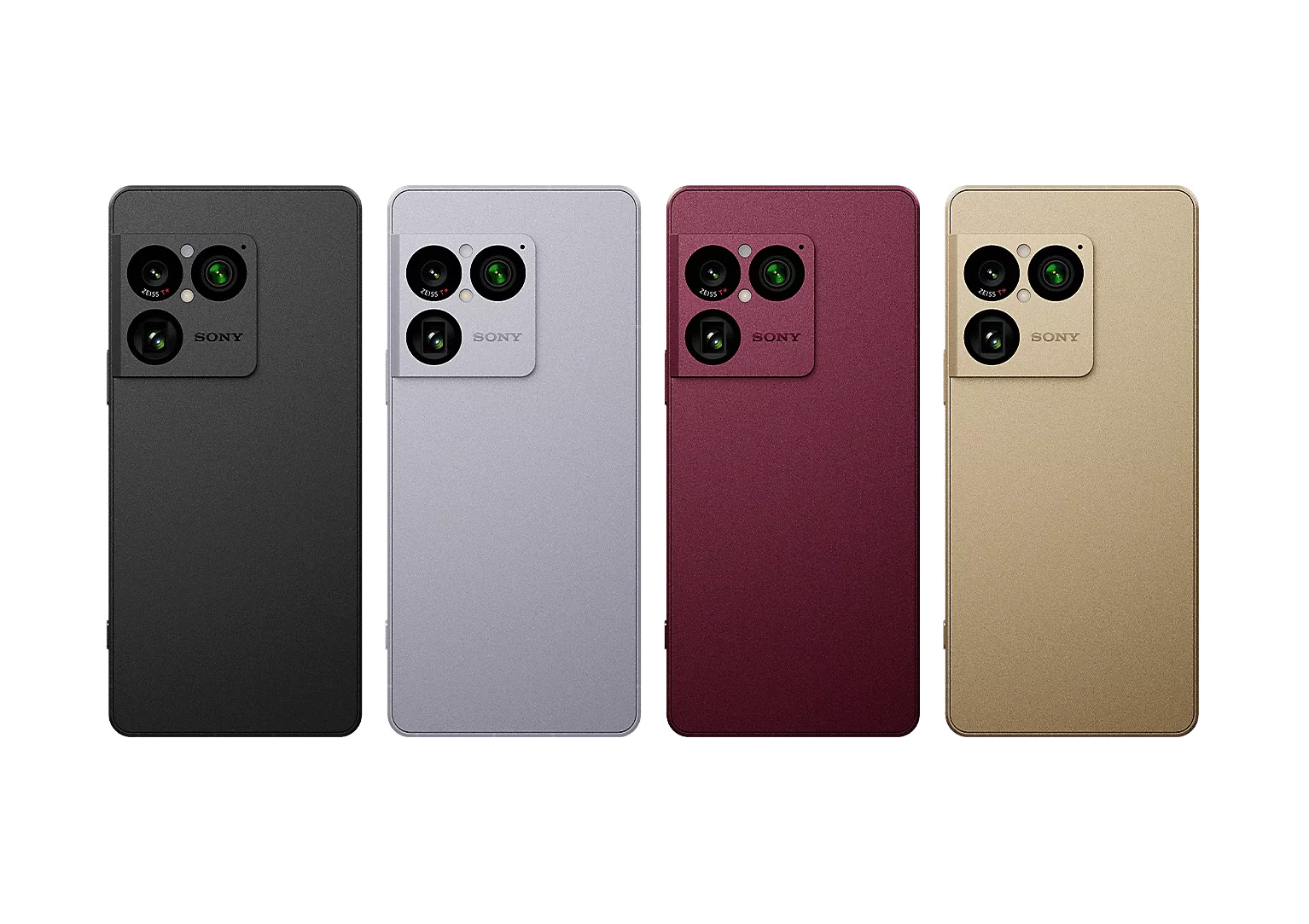


Sony released the Xperia 1 VIII in Europe on 19 June, and the phone stands out for an unusual reason. It keeps a set of features that almost every other flagship brand has dropped. The headphone jack, the microSD card slot and the front-firing stereo speakers all remain in place. At a time when premium phones look more and more alike, Sony is making a deliberate choice to be different.
The strategy is clear. Sony is not chasing the widest possible audience. It is holding on to a smaller group of users who care about the things that big rivals have removed. Whether that is a smart plan or a slow retreat is the real question behind this launch.
A different set of priorities
Most flagship phones in 2026 share a familiar shape. Storage is fixed, wired headphones need an adapter, and sound comes from a single bottom-firing speaker. Sony rejects all three of these trends. The Xperia 1 VIII offers expandable storage through a microSD slot, a 3.5mm headphone jack for wired listening, and stereo speakers that face the user directly.
These are not new inventions. They are older features that the wider industry decided to remove in the name of slimmer designs and higher profits. For people who record audio, carry large media libraries, or simply dislike wireless earbuds, the appeal is obvious. The Xperia 1 VIII is one of the very few 2026 flagships that still serves them.
The cost of standing apart
This approach comes at a high price. The Xperia 1 VIII starts at around £1,399 in the United Kingdom for the 256GB model, and the 1TB version reaches roughly £1,849. That places it among the most expensive phones on the market, and ahead of several rivals with stronger cameras.
Sony also faces a sales problem. Its smartphone line has lost ground in recent years, and the company no longer sells these flagships in the United States. The new model adds an AI Camera Assistant, which suggests settings and lenses to less experienced users. The feature marks an attempt to widen the phone's appeal, though Sony's own promotional images for it drew criticism online soon after launch.
What the choice reveals
The Xperia 1 VIII shows how narrow the premium phone market has become. Brands now compete on cameras, artificial intelligence and screen quality, while older hardware features fade away. Sony is betting that a loyal base will pay a premium to keep them.
The risk is that this base may be too small to sustain the line. Enthusiast features alone rarely drive mass sales, and the high price limits the audience further. Even so, the phone serves a useful purpose. It tests whether there is still room for a flagship built around choice rather than conformity.
Outlook
The success of the Xperia 1 VIII will not be measured in headline sales. It will be judged on whether a feature-led approach can survive in a market that rewards scale. If the phone finds its audience, Sony proves that variety still has value. If it does not, the features it preserves may soon disappear for good.