A Strong Start to the Holiday Period
New retail data indicates that consumer spending has remained firmer than many analysts expected as the year end shopping period approaches. Sales figures from several major economies show steady demand across both online and physical stores, despite ongoing concerns about inflation and borrowing costs.
The resilience has surprised some economists who anticipated that higher interest rates would weigh more heavily on household budgets. Instead, consumers appear to be maintaining discretionary spending, at least in the short term.
Where Spending Is Holding Up
Growth has been most visible in electronics, clothing and seasonal goods. Retailers reported that promotional events and early holiday discounts helped stimulate activity. Online platforms in particular benefited from targeted marketing and flexible delivery options.
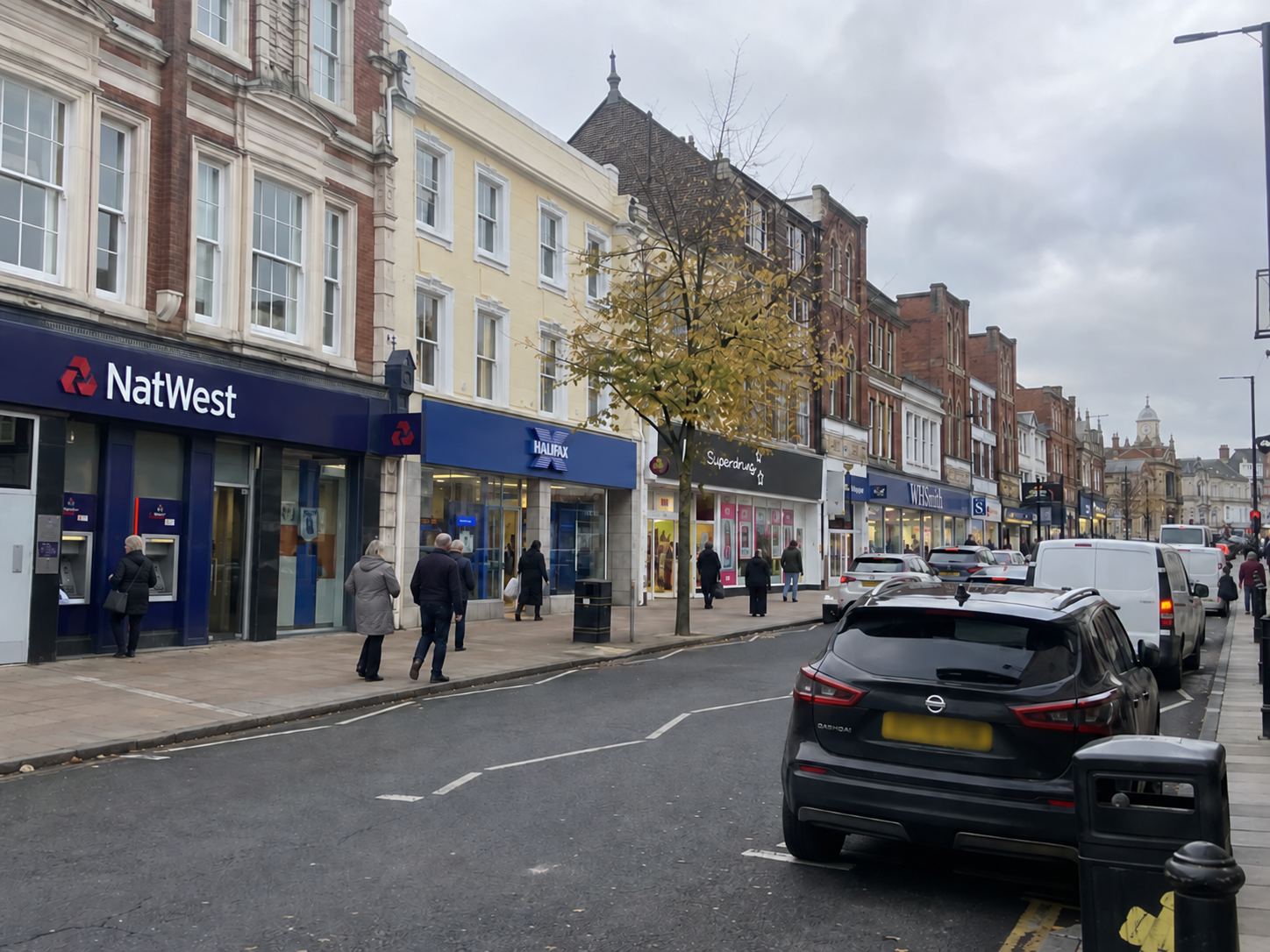
Bricks and mortar stores have also seen stable footfall in many urban centres. While online retail continues to capture a significant share of spending, physical shops remain important for higher value purchases and seasonal browsing.
However, performance varies across income groups. Higher income households have generally shown greater confidence, while lower income consumers remain more sensitive to price increases in essentials such as food and energy.
Inflation and Interest Rates
The persistence of retail strength raises questions for central banks. Strong consumer demand can contribute to inflationary pressure, particularly if supply chains face renewed strain during peak periods.
At the same time, policymakers must consider the lagged effects of earlier rate rises. Mortgage holders and businesses refinancing loans may yet feel tighter financial conditions more acutely in the coming months.
Economists caution that short term retail growth does not necessarily signal long term stability. Much depends on employment levels, wage growth and household savings. If these remain supportive, spending could continue into the new year. If not, momentum may slow.
Signals for the Broader Economy
Retail performance is often viewed as a barometer of economic health. Sustained consumer spending supports employment across logistics, manufacturing and services. It also contributes significantly to national output in many developed economies.
Yet resilience can mask underlying fragility. Some analysts note that credit card borrowing has risen in certain regions, suggesting that part of the spending may be debt financed rather than income driven.
For now, retailers are entering the final stretch of the year with cautious optimism. Stock levels have been adjusted to avoid previous supply disruptions, and promotional strategies are more targeted.
Whether this momentum carries into the next quarter will depend on broader economic conditions. What is clear is that consumers remain a central force in shaping the economic outlook, even amid a complex mix of inflation, interest rates and global uncertainty.