

Nvidia is moving into the one corner of the chip market it has never directly controlled. At the Computex trade show in Taipei on 1 June, chief executive Jensen Huang unveils the RTX Spark, the company's first processor built to run a personal computer rather than a data centre. The move puts Nvidia in direct competition with Intel, AMD and Qualcomm, the firms that have shaped the Windows PC for decades, and investors react at once.
A new kind of PC chip
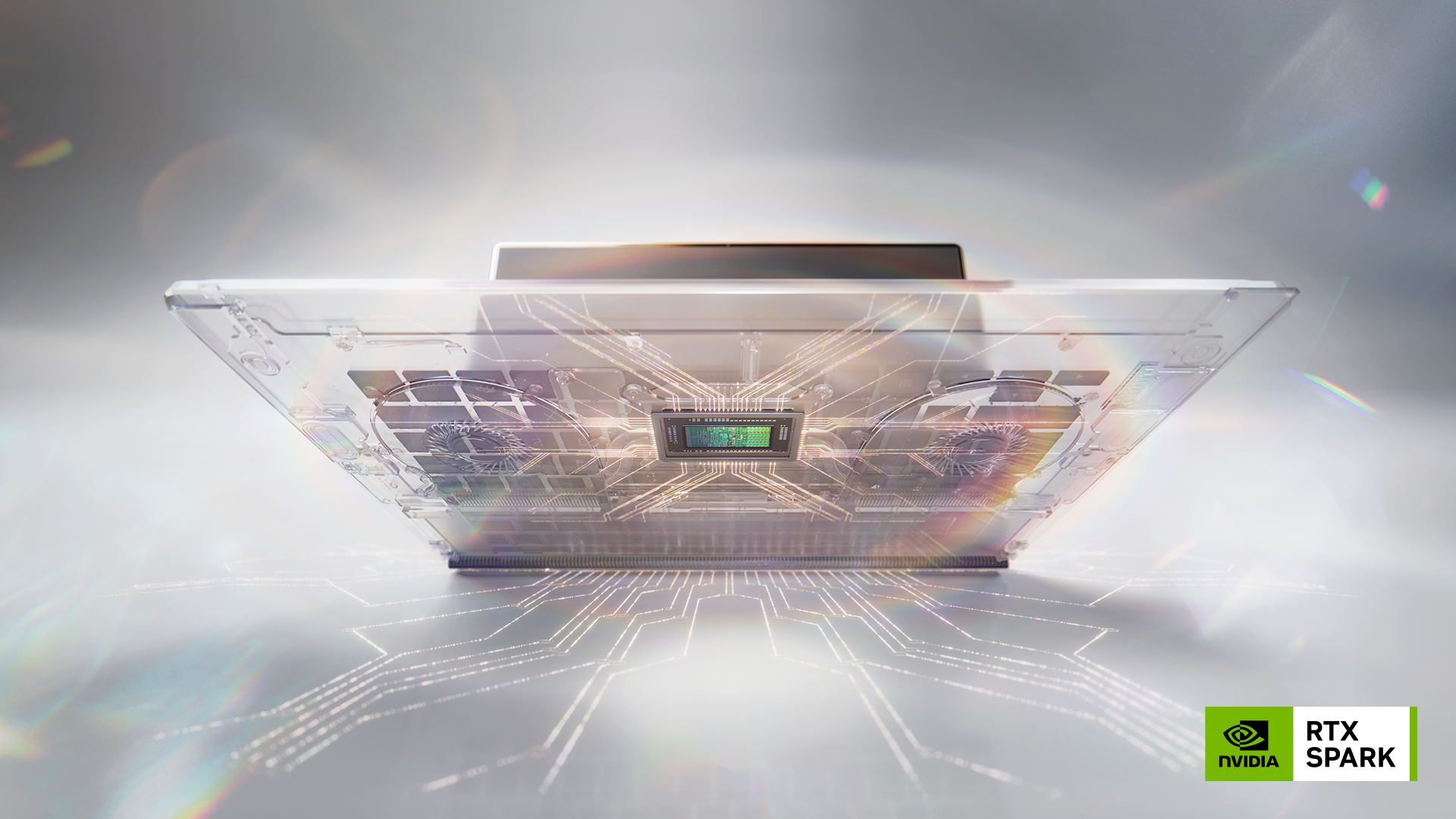
The RTX Spark is what the industry calls a system on a chip. It fuses one of Nvidia's Blackwell graphics units with a custom Arm-based central processor, built with help from Taiwanese firm MediaTek, and adds up to 128 gigabytes of shared memory. Nvidia describes it as the most efficient PC chip it has ever made, designed to run AI agents directly on the device rather than in the cloud. The chip is co-developed with Microsoft, and laptops carrying it are due from Dell, HP, Lenovo, ASUS, MSI and Microsoft itself from the autumn of 2026.
The design marks a clear shift. Nvidia has sold graphics cards for consumer PCs for years, but those machines always relied on an Intel or AMD processor at their core. By building its own Arm-based CPU, Nvidia offers a complete platform of its own.
Rivals feel the pressure
The market response is swift. Nvidia shares rise about 4 per cent on the news, while Arm Holdings, whose architecture underpins the chip, jumps more than 16 per cent. The incumbents move the other way. Intel and AMD each fall by roughly 3 to 4 per cent, and Qualcomm, the only other maker of Arm-based Windows chips, slides about 7 per cent.
The reaction is sharper because expectations were low. Few investors had priced in a credible Nvidia bid for consumer PC silicon on top of its data centre lead. Both Intel and AMD have risen steeply in 2026, which leaves them sensitive to any sign of fresh competition at the high end of the market.
A test of strategy, not just silicon
Nvidia's advantage may rest less on the chip than on what surrounds it. The company brings a mature software stack, deep ties with PC makers, and a brand closely linked to AI performance. Those are assets that Intel and Qualcomm have spent years trying to assemble.
Doubts remain about demand. Analysts note that AI PCs have yet to win mass adoption, and one suggests the systems may need to reach about $1,500 to move beyond a niche audience. Research firm IDC also expects global PC shipments to fall in 2026 as memory and component costs climb.
Outlook
The real contest begins when RTX Spark machines reach shops in the autumn. If Nvidia can repeat the platform strategy that won it the data centre, the PC market faces its biggest shake-up in years. If buyers prove cautious, the launch may register as ambition rather than disruption. For Intel, AMD and Qualcomm, the coming months decide how much ground they must defend.