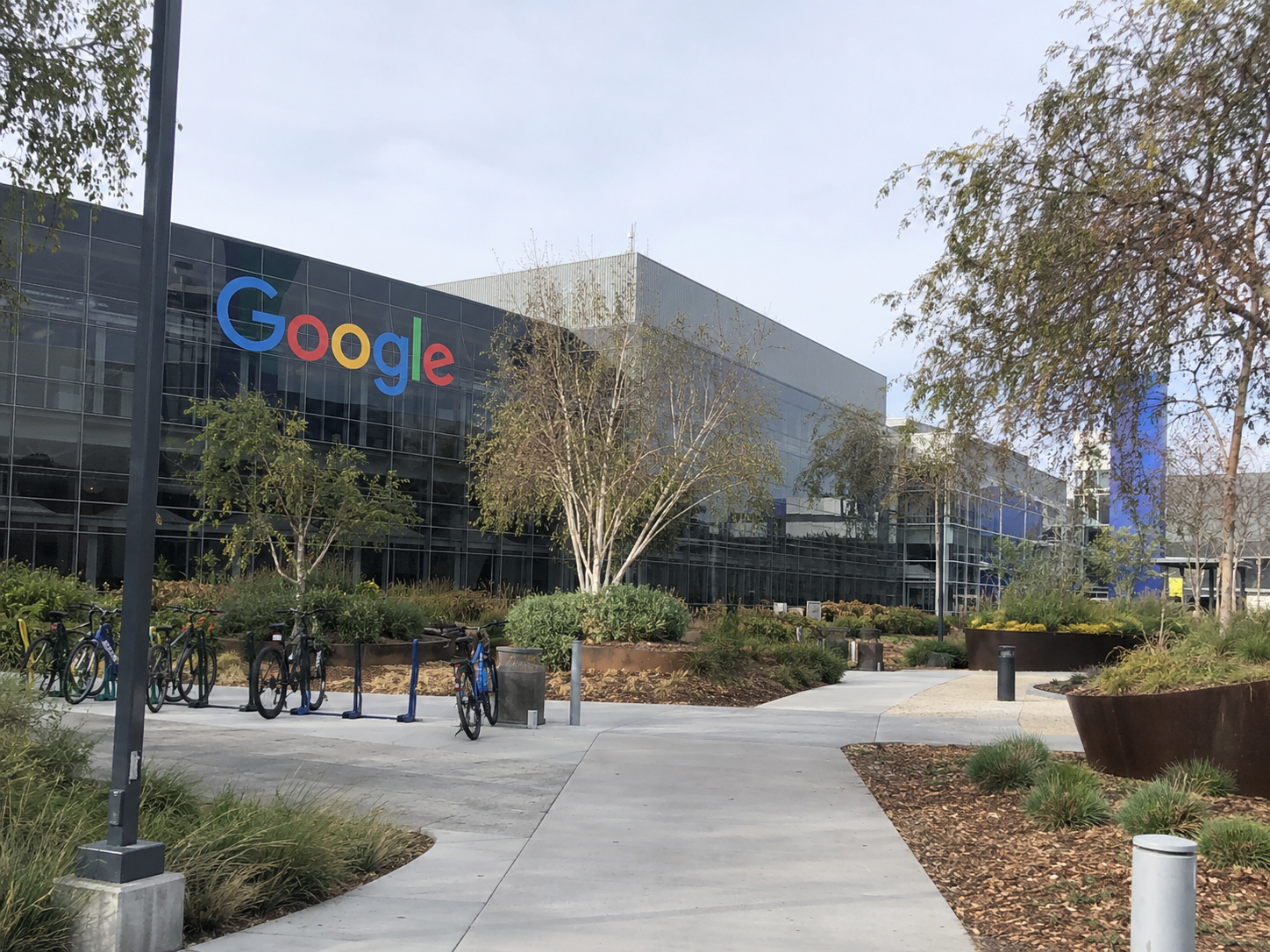


Google is busier than it has been in years. People are asking it more questions than at any point in the last five years, according to chief executive Sundar Pichai. Yet on Thursday 29 October, shares in its parent company, Alphabet, fall 12.6%, wiping close to $500 billion off its market value in a single session. Several outlets describe it as the company’s worst trading day since it joined the stock market 22 years ago.
The reason sounds like a riddle. Google is handling more searches than ever, but it is earning less from each one. And the cause is the very technology Google is racing to build.
What actually happens
Alphabet publishes its third-quarter results on the evening of 28 October. On the surface, the picture looks healthy. Total revenue rises by a quarter, and Google Cloud, the business that rents computing power to other companies, more than doubles in size.
The problem is search, which is still the heart of the business. Search revenue grows 12%, slower than earlier in the year and below what analysts expect. For most companies, 12% growth is good news. For Google, investors read it as a warning sign.
On a call with analysts, chief business officer Philipp Schindler gives three reasons for the slowdown. Two are familiar: currency movements and weaker advertising from retail and media companies. The third is new. Lower earnings from AI Mode, Google’s chatbot-style way of searching, are weighing on growth.
Why AI answers earn less
Traditional search follows a simple pattern. You type a question, Google shows a list of links, and the top few are usually paid adverts. Each time someone clicks one, an advertiser pays. That model has worked for two decades and has made Google one of the most profitable companies in the world.
AI Mode works differently. Instead of a list, it gives a written answer, often a complete one. If the answer is good enough, there is less reason to click on anything, including the adverts. Google does place ads inside AI Mode, and its search advertising team says people find them relevant. But the company has not yet found a way to make these answers earn as much as the familiar list of links.
Chirag Shah, a professor at the University of Washington, tells the US public radio programme Marketplace that Google is effectively cannibalising its own product. The pressure comes from outside too. Chatbots from OpenAI and Anthropic answer questions directly and make money mainly through subscriptions rather than advertising.
That leaves Google with an awkward choice. If it does not offer AI answers, users may drift to rivals. If it does, it risks weakening the advertising business that pays for almost everything else it does.
Why it matters beyond Google
The shift matters to far more than one company’s shareholders. Search adverts are one of the most measurable forms of marketing, which is why so many businesses rely on them. If people click less, advertisers may start to question what they are paying for and move some of their budgets elsewhere.
Websites face a similar question. Many depend on visitors arriving from Google’s links. An AI answer that keeps people on Google’s own page sends fewer of them out into the wider web.
The fall also lands in a nervous week for big technology shares. Investors are asking harder questions about the huge sums companies are spending on AI, and when that spending will start to pay back.
Not everyone sees a turning point. Tom Davenport of Babson College tells Marketplace the drop is an overreaction. He expects the slowdown to be temporary and points out that Google’s large search business gives it a financial cushion that younger AI rivals do not have.
What comes next
Pichai is clear about his priorities. “We are focused on building the best Search user experience, followed by monetization,” he tells analysts. In plain terms, Google wants people using AI search first and will work out how to earn more from it later.
That approach has worked for the company before. Google faced similar doubts during the move from desktop computers to smartphones, and its advertising business adapted. Its reach today is enormous, too. The Gemini app alone now has one billion users, according to the company.
The short-term outlook is less comfortable. Finance chief Anat Ashkenazi warns that currency movements will weigh slightly more on the next quarter, and search growth faces a tougher comparison with last year.
The real question for the year ahead is not whether people will keep asking Google questions. They clearly will. It is whether Google can make an AI answer as valuable as a page of blue links. Until it can, investors are likely to watch every quarter’s search figures very closely.