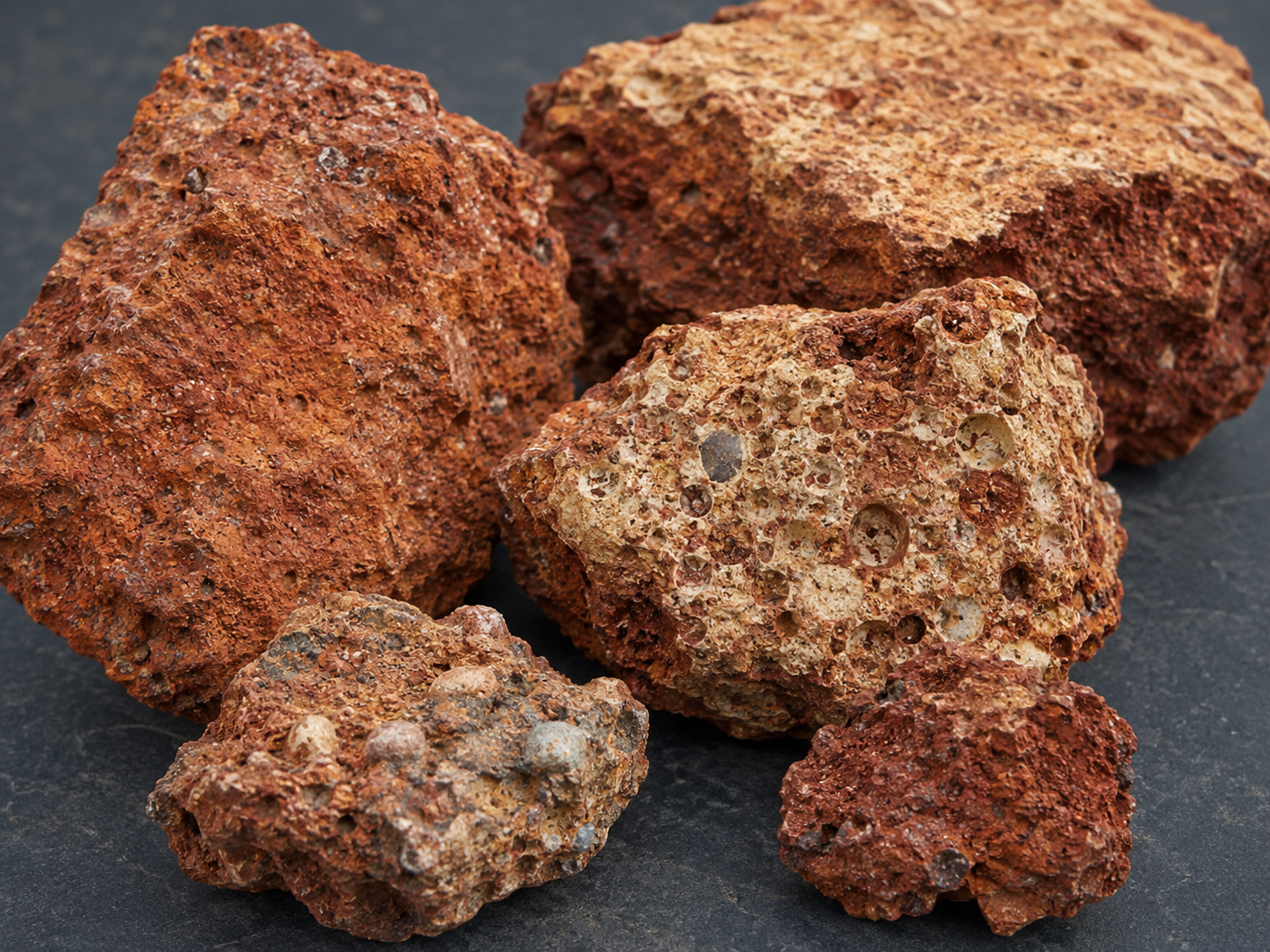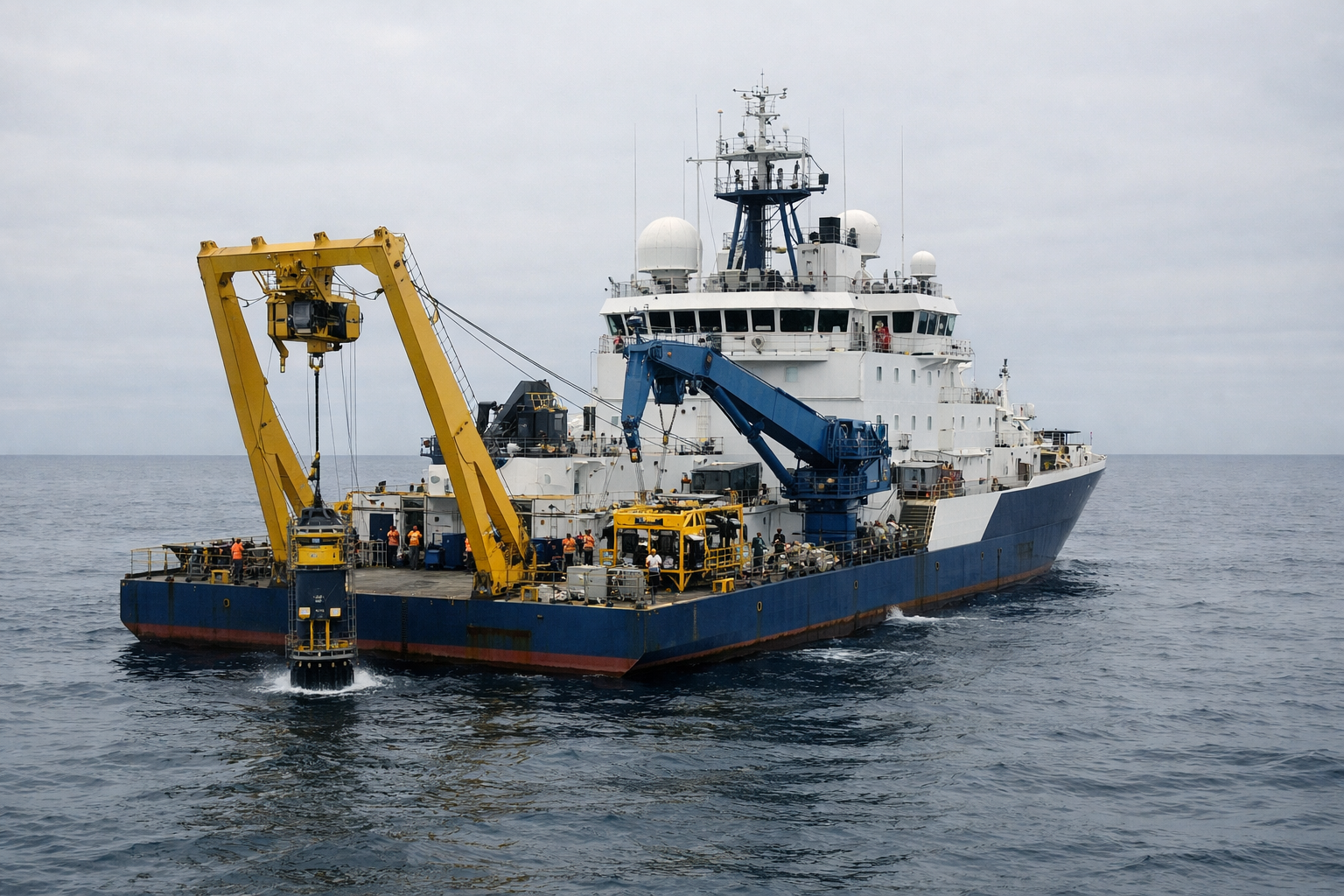


Japan reports the retrieval of sediment containing rare earth minerals from deep waters near Minamitorishima, an isolated Pacific island roughly 1,900 kilometres south-east of Tokyo. The materials are extracted from seabed mud within Japan’s exclusive economic zone, marking a step forward in the country’s long-running effort to diversify access to critical minerals.
Rare earth elements are essential components in modern technologies. They are used in electric vehicle motors, wind turbines, semiconductors, smartphones and defence systems. Despite their name, these elements are not geologically scarce, but economically viable deposits are concentrated in relatively few locations. China currently accounts for a dominant share of global processing capacity, which has heightened concerns about supply chain resilience in recent years.
Strategic materials and economic security
Japan has pursued rare earth diversification since 2010, when export restrictions during a diplomatic dispute disrupted supply. Since then, Tokyo has supported overseas mining partnerships, stockpiling programmes and research into alternative materials.
The Minamitorishima project focuses on polymetallic mud found several thousand metres below sea level. Previous scientific surveys have suggested that the area contains significant concentrations of rare earth elements, including yttrium, dysprosium and terbium, which are used in high-performance magnets and electronics.
Deep-sea extraction remains technically complex and costly. However, advances in subsea drilling and remotely operated vehicles have made pilot retrieval efforts increasingly feasible. The current development does not yet represent large-scale commercial production, but it demonstrates proof of access within Japan’s territorial waters.
Balancing opportunity and environmental concern
The prospect of deep-sea mining raises environmental questions. Marine ecosystems at such depths are not fully understood, and disturbance of seabed habitats could have long-term ecological consequences. International discussions continue over regulatory frameworks governing seabed mineral extraction beyond national jurisdictions.
Within its own waters, Japan retains regulatory authority. Any move toward commercial-scale production would require environmental assessments and policy approvals. For policymakers, the challenge lies in balancing resource security with ecological stewardship.
Implications for global supply chains
The retrieval effort reflects a broader trend among advanced economies seeking to reduce dependency on concentrated supply chains for critical minerals. The United States, the European Union and Australia have all introduced strategies aimed at expanding domestic mining, processing and recycling capacity.
Rare earth supply is not only a commercial issue but a strategic one. As electrification and digitalisation expand, demand for specialised materials is expected to grow. The International Energy Agency has projected rising mineral demand under energy transition scenarios, particularly for technologies such as electric vehicles and renewable generation.
Japan’s seabed initiative does not immediately alter global supply dynamics. It does, however, signal continued investment in long-term resilience. In a world where access to key materials increasingly shapes industrial policy, the geography of mineral supply is becoming a matter of national strategy as much as geology.