

Highlights:
- Researchers identified a two billion year geological pattern linked to rare earth deposits
- The discovery could reshape how critical minerals are explored globally
- Rare earth elements are essential for EVs, AI infrastructure, smartphones, and defense technologies
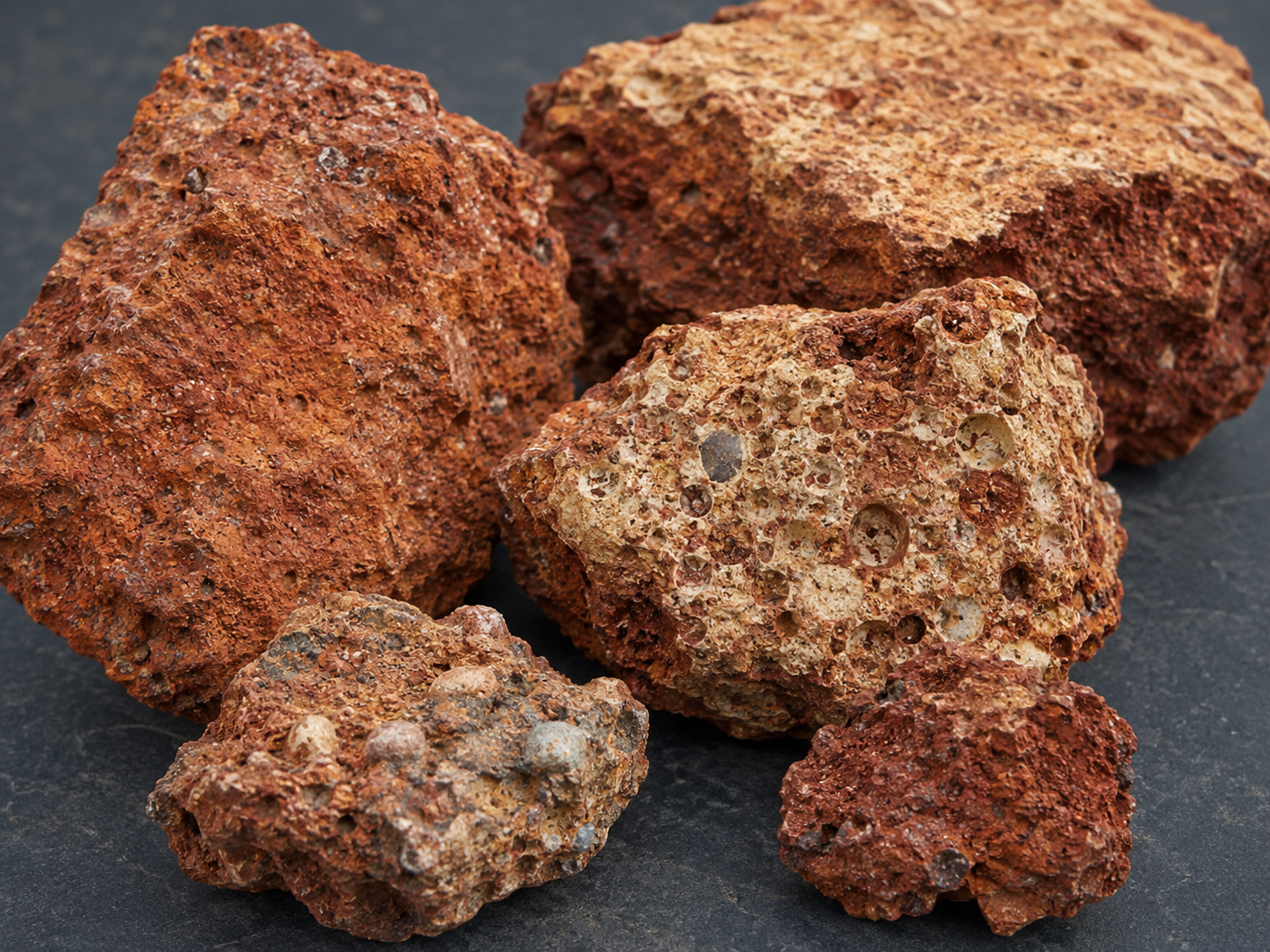
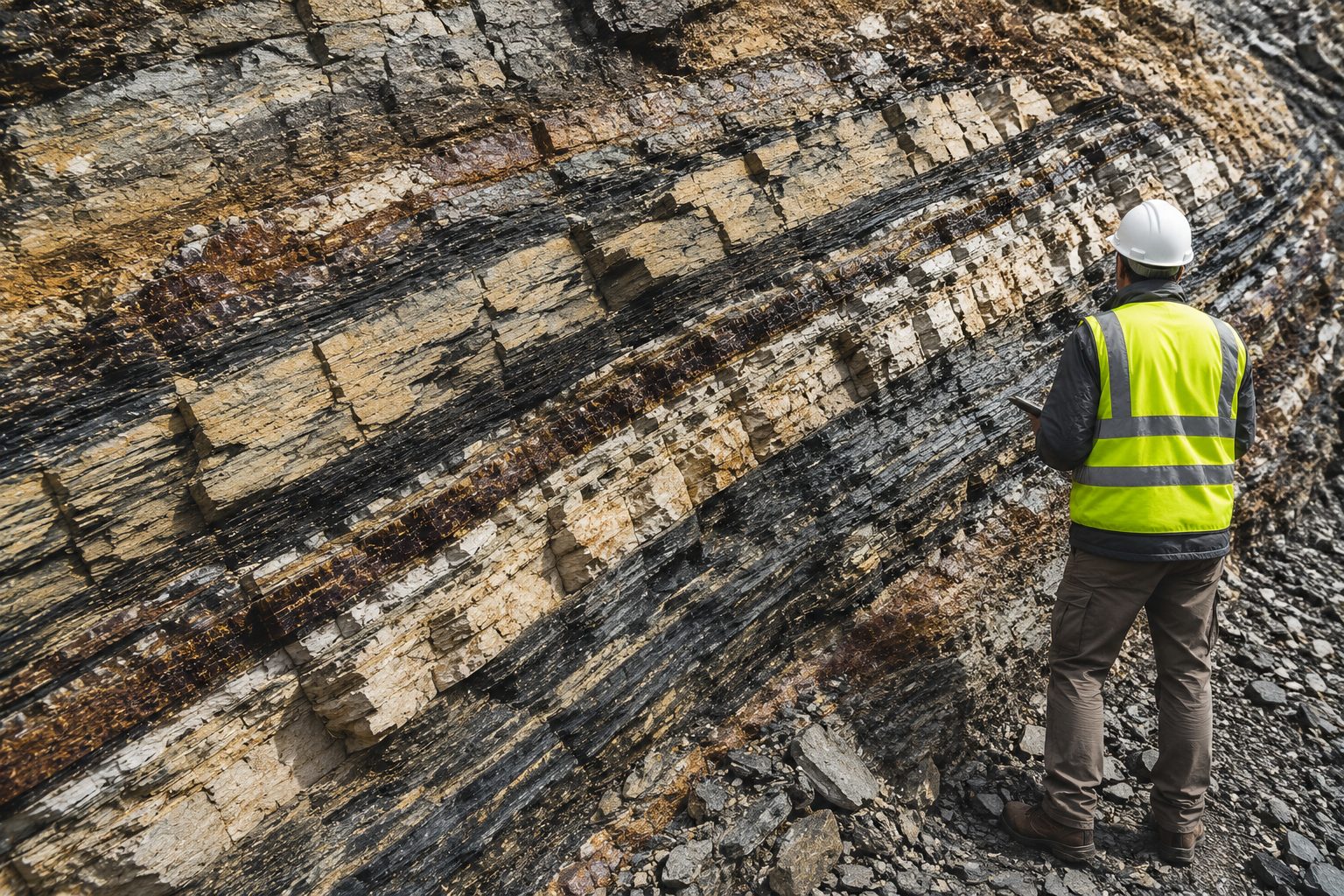
Researchers from the University of Adelaide have uncovered evidence suggesting that many of the world’s largest rare earth element deposits may be tied to ancient subduction zones formed billions of years ago¹.
The findings could provide geologists with a new framework for locating rare earth resources at a time when global demand for critical minerals continues accelerating.
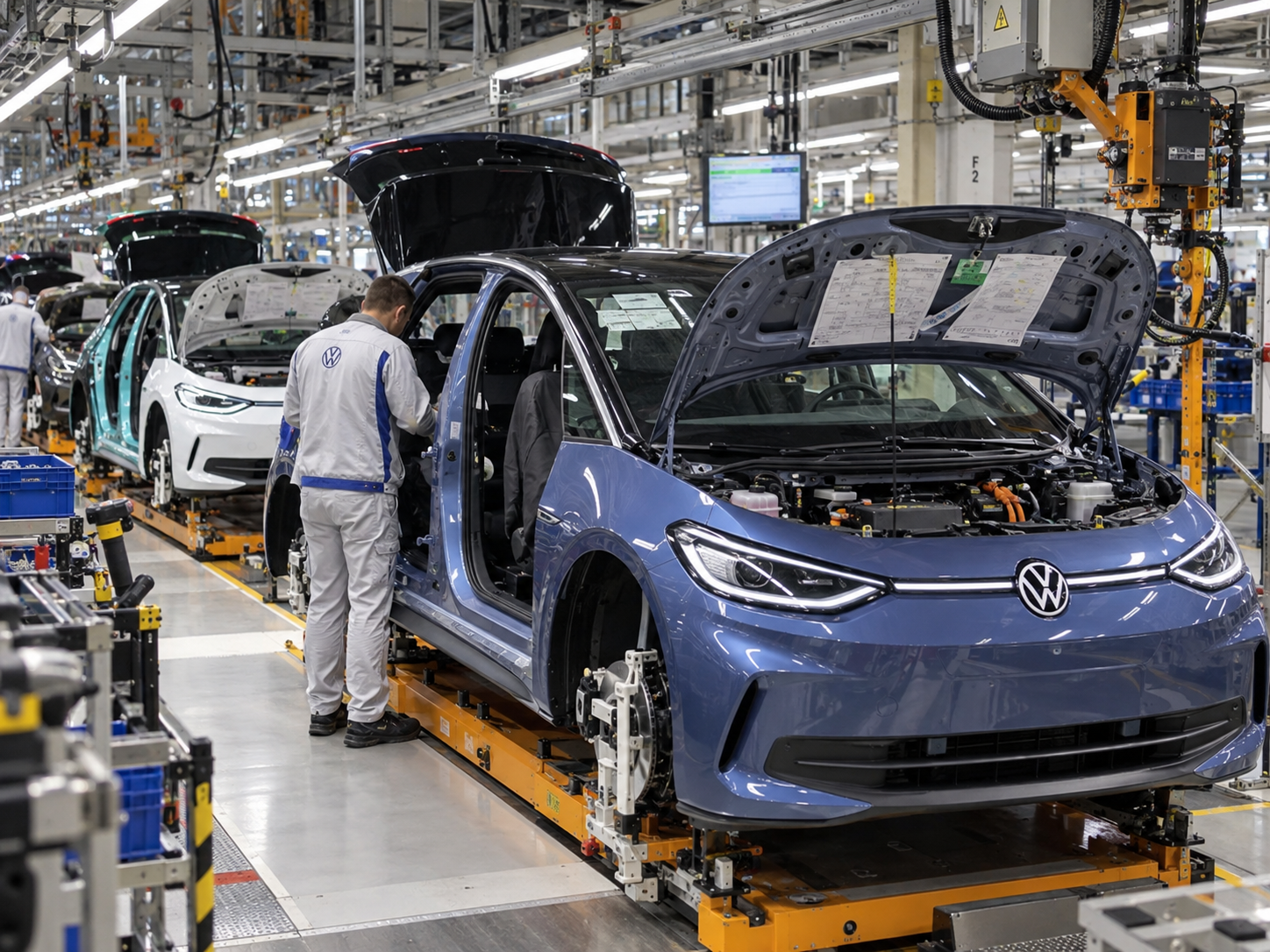
Rare earth elements play a crucial role in modern technologies, including electric vehicles, AI infrastructure, semiconductors, wind turbines, smartphones, robotics, and defense systems.
A Two Billion Year Geological Puzzle
For decades, scientists struggled to explain why major rare earth deposits appeared scattered seemingly at random across different continents.
One leading theory suggested mantle plumes, columns of superheated material rising from deep within the Earth, were primarily responsible for creating these deposits.
However, new research points toward a different explanation.
Using advanced tectonic plate reconstruction models spanning nearly two billion years of Earth’s history, researchers discovered a strong global correlation between ancient subduction zones and rare earth rich regions.
Subduction occurs when one tectonic plate moves beneath another, pushing minerals and fluids deep into the mantle. According to the study, this process gradually enriched parts of the mantle with the chemical ingredients needed to form rare earth deposits later in geological history.
Researchers described the process as “mantle fertilization.”
The study found these enriched mantle regions now underlie roughly 72% of known rare earth ore deposits formed over the past 1.8 billion years.
Why Rare Earths Matter More Than Ever

The timing of the discovery is particularly notable as global competition for critical minerals intensifies.
Rare earth elements such as neodymium and praseodymium are essential components in permanent magnets used in electric motors, wind turbines, advanced electronics, and AI related infrastructure.
As industries continue scaling technologies tied to electrification, automation, and artificial intelligence, securing reliable access to these minerals is becoming increasingly strategic.
Countries including the United States and China have accelerated efforts to strengthen domestic supply chains for critical minerals in recent years.
The discovery could potentially help narrow exploration targets and reduce the uncertainty involved in identifying future deposits.
The Long Delay Hidden Beneath the Earth
One of the most surprising aspects of the research is the enormous time gap between the original geological process and the eventual formation of mineral deposits.
According to the study, the mantle may store these chemically enriched zones for hundreds of millions, or even billions, of years before the right conditions trigger deposit formation.
That delayed process may also explain why earlier geological models struggled to fully account for the global distribution of rare earth deposits.
Professor Carl Spandler, one of the study’s lead researchers, said the findings show that the ingredients responsible for these deposits were placed deep within the Earth long before the deposits themselves eventually formed.
As demand for critical minerals continues rising alongside AI infrastructure, electrification, and advanced manufacturing, discoveries like this could become increasingly important in the global race to secure the resources powering the next generation of technology.
Disclaimer: This article is for informational purposes only and does not constitute financial advice. Always conduct your own research before making investment decisions.
Sources
1 https://indiandefencereview.com/rare-earth-deposits-ancient-subduction-zones-tectonic-discovery/