

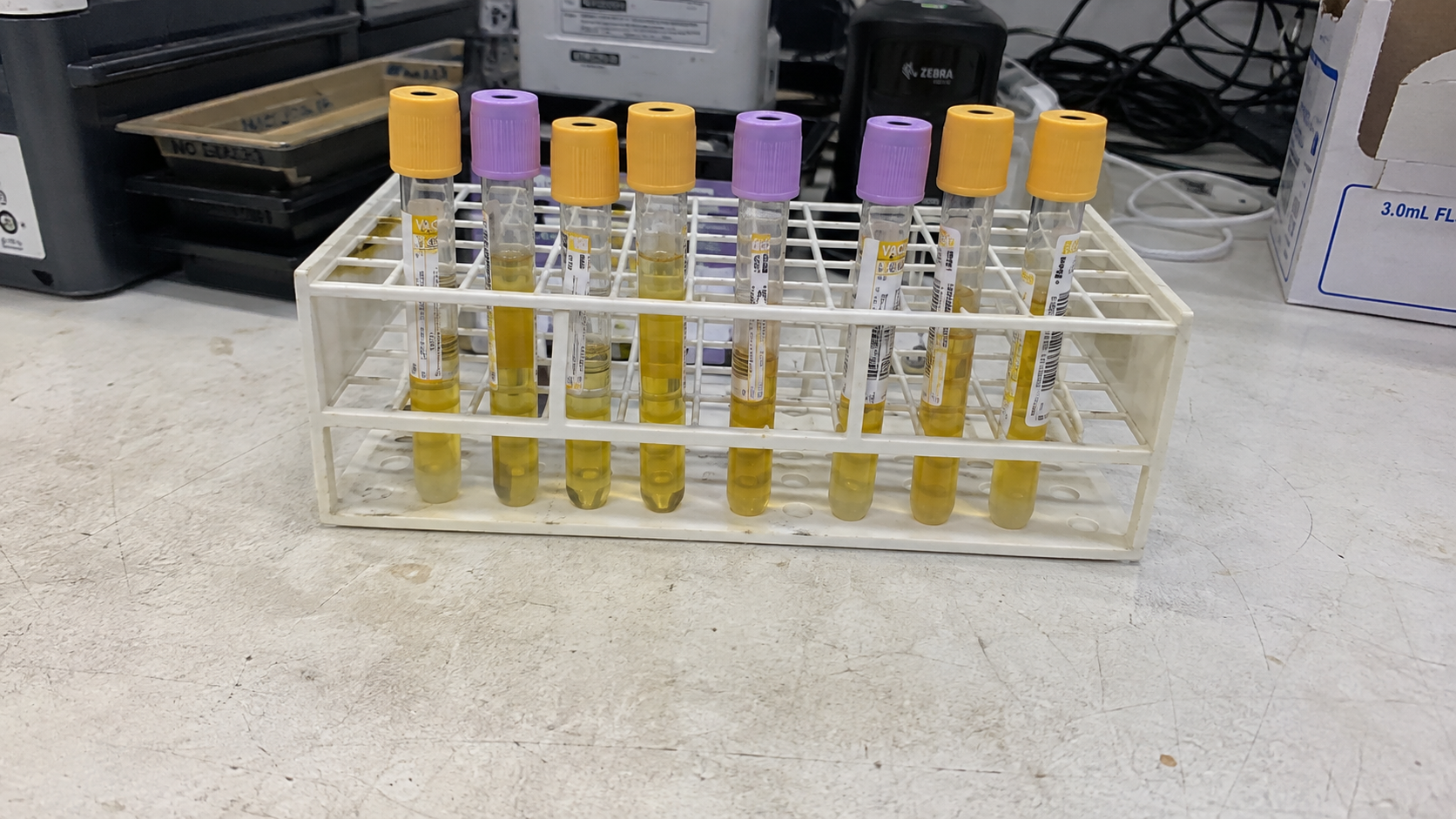


Europe's heart and kidney specialists are telling doctors to stop treating the two organs as separate concerns. The first joint guidelines from the European Society of Cardiology and the European Renal Association appear online in the European Heart Journal on 28 August and are presented at the ESC Congress in Munich the following day. The central recommendation is straightforward. Every patient newly diagnosed with cardiovascular disease should also be tested for chronic kidney disease. It is a small change to a clinic appointment, and the reasoning behind it reshapes how two large specialisms understand their own patients.
Each condition drives the other
Around 100 million people in Europe live with chronic kidney disease, and all of them face a raised risk of heart problems as a result. The relationship runs in both directions. Kevin Damman of University Medical Centre Groningen, who co-chairs the task force behind the guidelines, describes how each condition accelerates the other, bringing forward both cardiovascular events and the need for dialysis much earlier in life.
The mechanics are not mysterious. Damaged kidneys struggle to control blood pressure and fluid balance, which places extra strain on the heart. A weakened heart sends less blood to the kidneys, which damages them further. Each step makes the next one more likely. Treating one condition while ignoring the other leaves half the process running.
Chronic kidney disease is defined as abnormal kidney structure or function lasting at least three months. That covers a wide range of severity, from mild changes that never progress to failure requiring dialysis or a transplant. The early stages are the ones that matter most here, because they are the ones still open to intervention.
Two ordinary tests
Screening requires no new technology. It involves a blood test that estimates how well the kidneys filter waste, and a urine test that measures albumin, a protein that leaks out when the kidneys are not working properly. Both are cheap and already available in any hospital laboratory.
The difficulty is that early kidney disease produces almost no symptoms. People can lose a substantial share of kidney function while feeling perfectly well, which means the condition is often found by accident during tests ordered for something else. By the time symptoms appear, the damage is usually advanced and the options are narrower. That silence is the reason a rule about routine testing matters more than it sounds.
What clinics are asked to change
The task force sets out its approach under the acronym STAMP, covering screening, triage, addressing kidney risk, modifying cardiovascular treatment and planning health services. Triage means using risk scores that account for kidney function rather than treating it as a footnote to the cardiac picture.
The treatment case is the strongest part of the argument. Damman points to the early use of RAS inhibitors and SGLT2 inhibitors alongside statin-based therapy, drugs that slow kidney decline and reduce cardiovascular risk at the same time. These are established and comparatively affordable medicines. Finding patients earlier largely means starting them sooner.
The guidelines also address a quieter problem. Reduced kidney function changes how the body clears drugs from the bloodstream, so standard cardiovascular treatment sometimes needs adjusting for patients whose kidneys cannot process it in the usual way. The document sets out which medicines remain appropriate in that situation.
Whether practice follows
William Herrington of the University of Oxford, who chairs the task force alongside Damman, makes the point that many patients with kidney disease are already under cardiology care. The guidelines are less about finding new patients than recognising the ones already in the room.
That still depends on clinics talking to each other. The task force calls for active communication between cardiologists and kidney specialists, and for services organised so that high-risk patients move between the two without delay. A patient version of the guidelines has been published alongside the clinical document, intended to help people take part in decisions about their own treatment.
Guidelines carry authority but not force. National bodies decide what happens next, and health systems under pressure do not always add a step to an existing pathway, however cheap that step is. The test will be whether cardiology clinics start requesting urine samples as a matter of routine, and whether kidney units see fewer patients arriving at failure with no prior warning. That evidence will show up in referral data long before it appears in survival figures.




.png)


