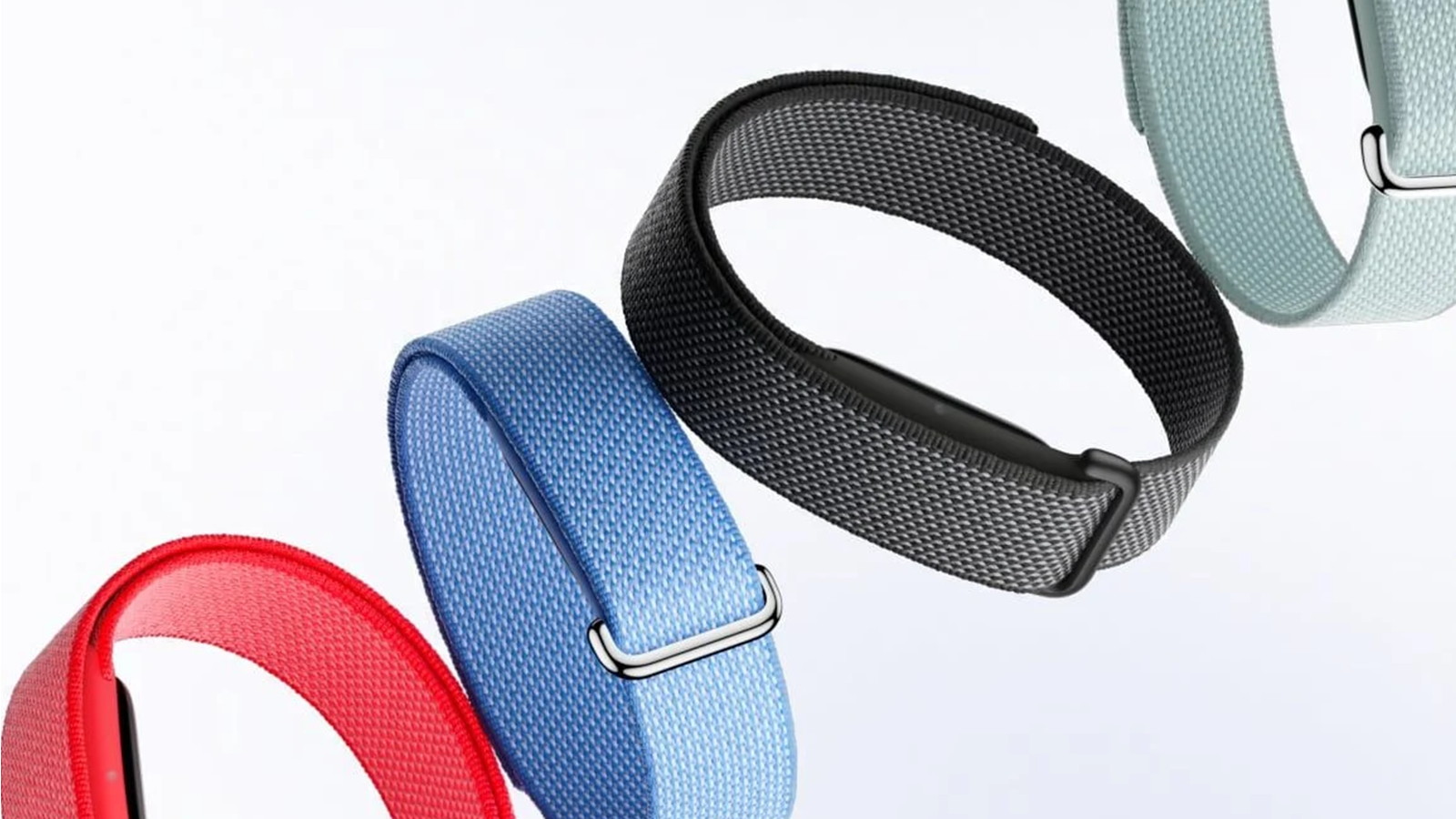


Google enters the screenless fitness tracker market this month with the Fitbit Air, a tiny wrist device that costs $99.99 and started shipping in the United States on 26 May 2026. The move matters because it puts a mainstream brand into a category long ruled by two premium rivals, Whoop and Oura, and it does so by attacking their biggest weakness: cost. For most buyers, the Air offers full tracking with no monthly fee attached
A device built around price
The Air is a screenless tracker that weighs 12 grams, monitors heart rate, sleep, blood oxygen and skin temperature, and works without a mandatory subscription. There is no display and no buttons. Users check their data in the Google Health app instead, which the company has built around its Gemini AI health coach. A three-month trial of Google Health Premium is included, after which the optional plan renews at $9.99 a month. Importantly, core tracking keeps working if buyers never pay a penny more.
How the rivals compare
The contrast with established players is stark. Whoop sells no hardware separately and instead bundles its band into annual memberships, which start at $199 a year and rise to $239 and $359 for higher tiers. Oura takes a different route: buyers pay $349 or more for the ring, then add a membership of $5.99 a month or $69.99 a year. Both require ongoing payment to unlock their full insights.
On features, the rivals still hold advantages. Reviewers describe Whoop as a strain and recovery system built for serious athletes, and Oura as the calmer choice focused on sleep and daily readiness. The Oura Ring 4 in particular is rated as among the most accurate consumer sleep trackers available in 2026. Yet early testing suggests the Air closes much of the gap, with one reviewer finding it as reliable at logging sleep and workouts as Garmin watches.
Implications for the market
The timing is deliberate. Sales of screenless wearables grew by 88 per cent between 2024 and 2025, and Google is moving into a category it had previously left to smaller firms. By pricing the Air as a one-off purchase rather than a recurring cost, the company pressures competitors whose business models depend on monthly income. It also signals a wider strategy, since the launch arrives alongside the rebranding of the Fitbit app as Google Health.
Outlook
The Fitbit Air is unlikely to displace Whoop or Oura among dedicated users who value their deeper coaching. Its real effect is on the mainstream middle of the market, where price often decides the sale. If subscription-free tracking proves popular, rivals may face growing pressure to soften their own pricing, and the wider wearables sector could shift towards hardware that earns its keep without a recurring bill.