

A Festival at the Crossroads of Art and Innovation
From 3 to 7 September 2025, the city of Linz in Austria once again became a meeting point for artists, technologists and researchers at the annual Ars Electronica Festival. Now in its fourth decade, the event has built a reputation as one of Europe’s leading platforms for exploring the relationship between art, society and emerging technology.
This year’s programme focused on creativity in uncertain times. Against a backdrop of geopolitical tension, rapid advances in artificial intelligence and growing environmental pressures, the festival asked a simple but urgent question: how should culture respond when the ground feels as though it is constantly shifting?
Artificial Intelligence in the Creative Space
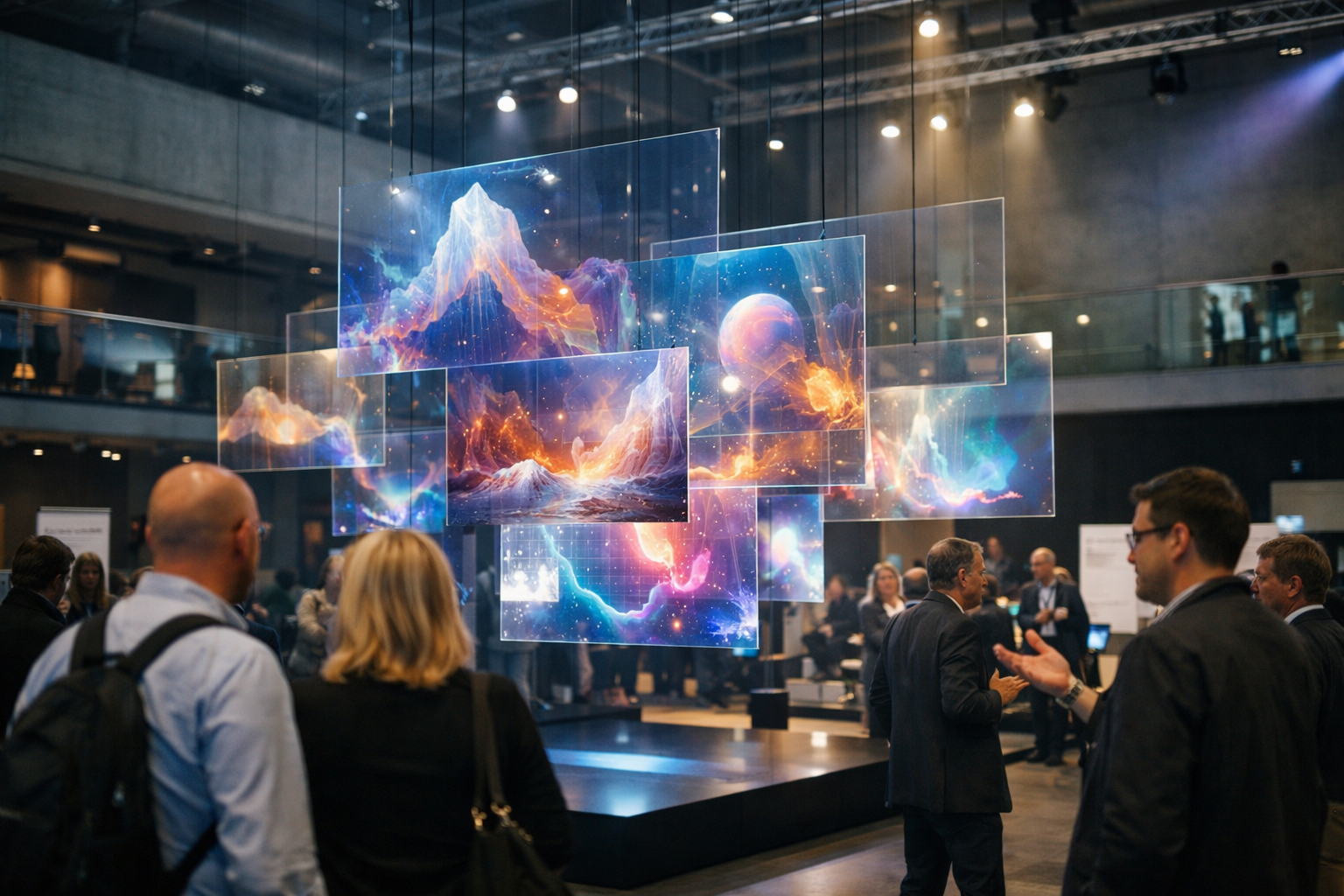
Unsurprisingly, artificial intelligence featured heavily across exhibitions and panel discussions. Installations explored how machine learning systems can generate images, music and text, while also questioning the implications of delegating creative processes to algorithms.
Some artists used AI as a collaborator, feeding systems with personal archives or historical material to produce new interpretations. Others examined the risks, including bias, authorship disputes and the environmental cost of large scale computing. Rather than presenting AI as either hero or villain, many contributors treated it as a tool that reflects human choices and values.
The result was not a showcase of novelty for its own sake, but a thoughtful interrogation of how technology shapes culture and how culture, in turn, shapes technology.
Climate, Data and Responsibility
Beyond artificial intelligence, climate change and data governance were recurring themes. Several works addressed the invisible infrastructure that underpins modern life, from data centres to global supply chains. By visualising energy consumption or mapping digital flows, artists sought to make abstract systems more tangible.
There was also attention on sustainable practice within the creative industries themselves. Discussions touched on the environmental footprint of large exhibitions and the need for more responsible production methods. The message was clear: innovation must be accompanied by accountability.
A Space for Public Dialogue
One of the festival’s strengths lies in its openness. Ars Electronica is not limited to specialists. Public lectures, interactive installations and community events encouraged visitors of all ages to engage with complex subjects.
For policymakers and industry leaders, the festival offered a window into how society is processing technological change. For artists and researchers, it provided a rare space to test ideas beyond the laboratory or studio. Conversations that began in exhibition halls often spilled into wider debates about ethics, regulation and education.
As the festival concluded, it left behind more questions than answers. Yet that may be its purpose. In a period defined by rapid transformation, forums that bring together art, science and public discussion serve an important role. They remind us that technology is not an abstract force moving independently of human influence. It is shaped by collective decisions, cultural values and creative imagination.
In uncertain times, that dialogue may be more valuable than ever.