

Highlights
- World Health Day 2026 is observed on April 7, marking the founding of the World Health Organization.¹
- This year’s theme is Global Action for Universal Health Coverage.
- Universal health coverage is a core target within the UN Sustainable Development Goals.
- Expanding access to healthcare supports progress across poverty reduction, equality, and long-term resilience.
- The observance highlights the growing role of health systems in shaping global development.
Each year, World Health Day offers a global moment to reflect on the systems that underpin everyday life.
Observed on April 7, the date marks the founding of the World Health Organization and has become a reference point for examining shared public health priorities. In 2026, the focus returns to one of the most foundational challenges in global development: universal access to healthcare.
Health at the Core of Global Development
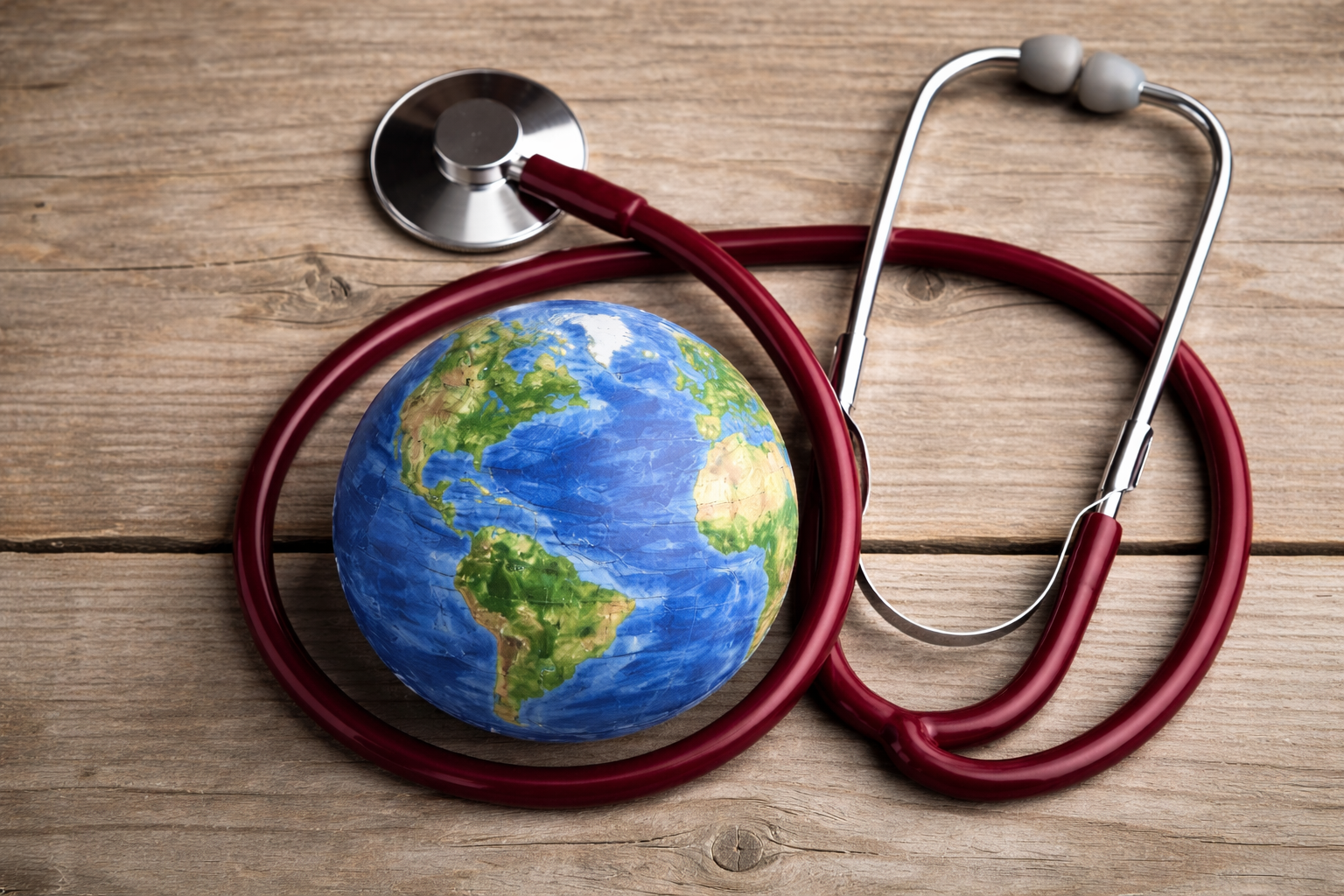
The theme for this year, Global Action for Universal Health Coverage, places healthcare access at the center of a much broader conversation.
Universal health coverage is not only a health objective, but also a key component of the United Nations Sustainable Development Goals. It is specifically embedded within SDG 3: Good Health and Well-Being, which aims to ensure access to essential health services for all.
However, its impact extends far beyond a single goal.
The Ripple Effect Across the SDGs
Access to healthcare influences multiple areas of global progress.
Reducing financial strain from medical costs directly supports SDG 1: No Poverty, as healthcare expenses remain a major cause of economic hardship in many regions. At the same time, improving access to services helps address disparities, aligning with SDG 10: Reduced Inequalities.
In this sense, universal health coverage acts as a connective thread across the SDG framework, linking health outcomes with economic stability, social equity, and long-term development.
A System-Level Priority
The growing focus on universal health coverage reflects a shift toward system-level thinking.
Rather than addressing individual health challenges in isolation, the emphasis is now on building resilient, accessible, and equitable healthcare systems. These systems are designed not only to respond to immediate needs, but also to support populations over time.
World Health Day serves as a moment to assess how those systems are evolving and where gaps still remain.
A Global Checkpoint
World Health Day is not defined by a single global event, but by how it is used.
Governments, institutions, and organizations align communications, research, and policy discussions with the annual theme. The observance acts as a shared checkpoint, encouraging reflection on both progress and ongoing challenges.
As the 2026 theme suggests, the conversation is increasingly focused on action. Ensuring access to healthcare is no longer viewed as an isolated goal, but as a foundation for broader global progress.
Disclaimer: This article is for informational purposes only and does not constitute financial advice. Always conduct your own research before making investment decisions.
Source