

A New Category Takes Shape
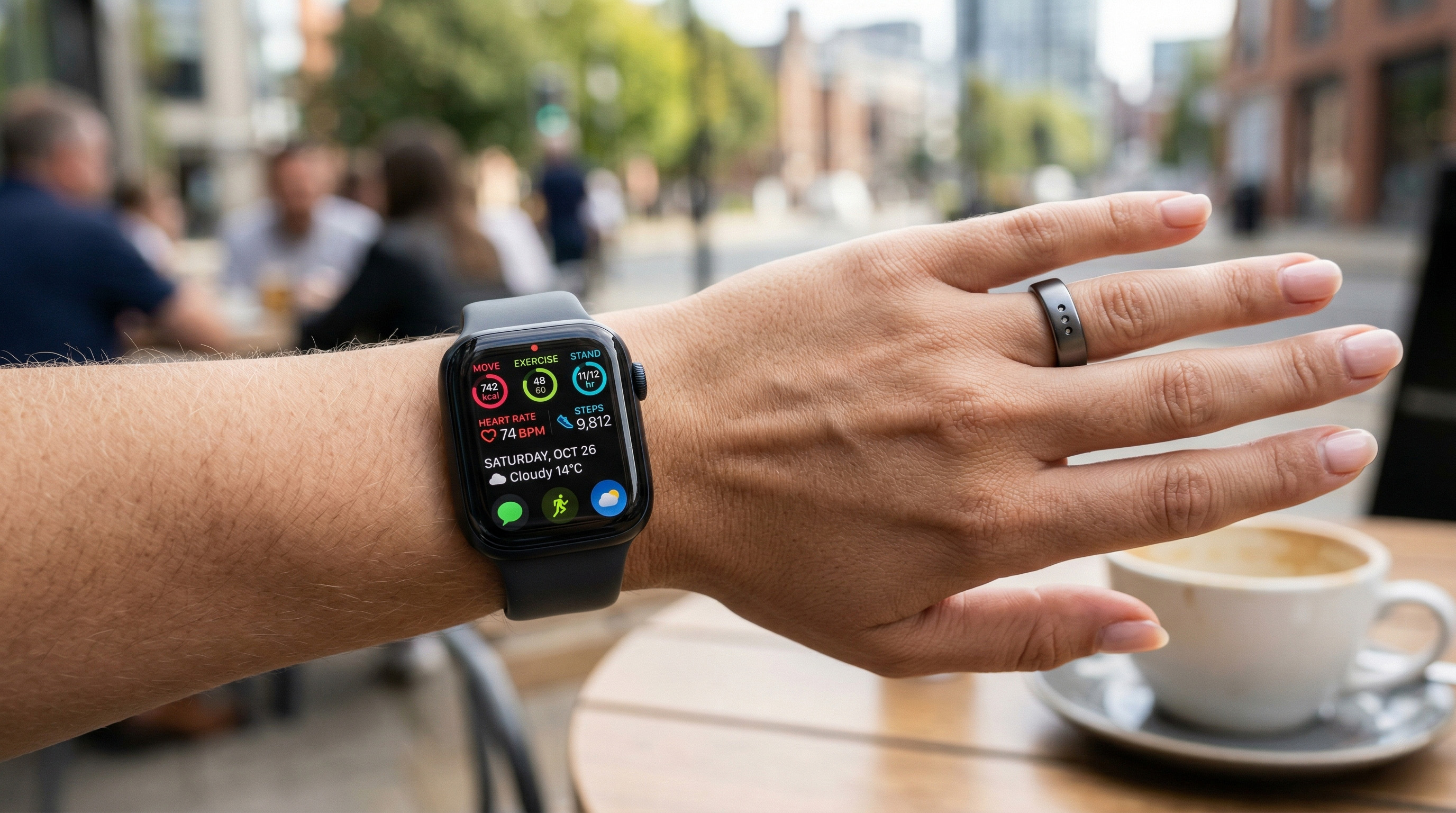
The smartphone has dominated personal technology for nearly two decades. Now, a growing number of companies believe the next wave of consumer devices will not have a screen at all. Qualcomm, one of the world's leading chip designers, has made its most significant bet yet on this idea. In early March, at the Mobile World Congress in Barcelona, the company unveiled the Snapdragon Wear Elite, a new processor built specifically for smartwatches, AI pins, and wearable pendants. The launch signals a clear shift in where the industry believes computing is heading.
What the New Chip Actually Does
The Snapdragon Wear Elite is built on a 3nm process, the same manufacturing standard used in high-end smartphone chips. It includes a dedicated neural processing unit, known as an NPU, which allows devices to run AI tasks directly on the hardware rather than connecting to a remote server. In practical terms, this means a smartwatch could handle real-time transcription, on-device translation, or AI assistant tasks without needing a phone nearby. Qualcomm says the chip delivers five times the single-core processing speed of its predecessor, along with 30% longer battery life and a rapid charge that reaches 50% in ten minutes.
Industry Backing Grows
The platform has already attracted support from major players. Samsung has confirmed that the next generation of its Galaxy Watch will use the Snapdragon Wear Elite. Google says the chip is central to the next version of Wear OS, its smartwatch operating system. Motorola is using the platform to develop a concept device called Project Maxwell, described as an AI-perceptive companion. Qualcomm says the first commercial products powered by the chip are expected to arrive within the next few months. Smart glasses shipments grew 139% in the second half of 2025 compared to the previous year, according to Counterpoint Research, suggesting that consumer appetite for devices beyond the smartphone is already building.
What Consumers Should Watch For
The challenge for this emerging category is not technical. It is whether consumers will find genuine value in devices they wear rather than carry. Earlier attempts, including the AI Pin from startup Humane, failed to attract buyers and the company sold parts of its business to HP. The key question is whether the Snapdragon Wear Elite gives manufacturers the tools to build products that feel useful in daily life rather than experimental. On-device AI that works without an internet connection, longer battery life, and satellite connectivity for messaging in remote areas are all practical improvements that could help the case. Apple, which holds more than 50% of the global smartwatch market, remains the benchmark every competitor must measure against. Whether the Wear Elite platform narrows that gap will depend largely on how well device makers use what Qualcomm has provided.