

Key Highlights
- The Pentagon is increasing focus on AI infrastructure to support defense capabilities ¹
- Compute capacity, data access, and energy supply are emerging as critical constraints
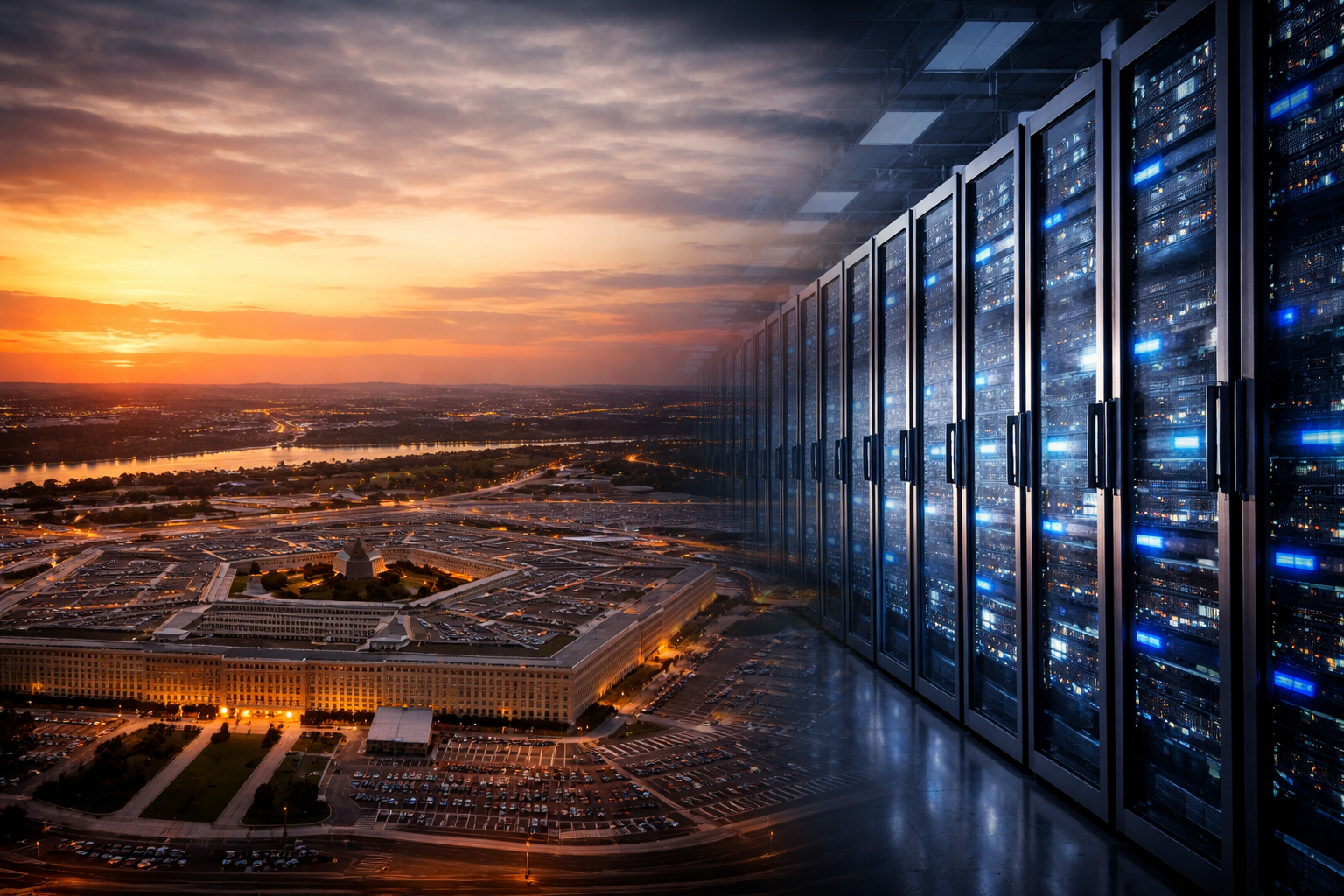
The U.S. Department of Defense is placing greater emphasis on artificial intelligence infrastructure, as demand for advanced computing becomes central to modern defense strategy ¹.
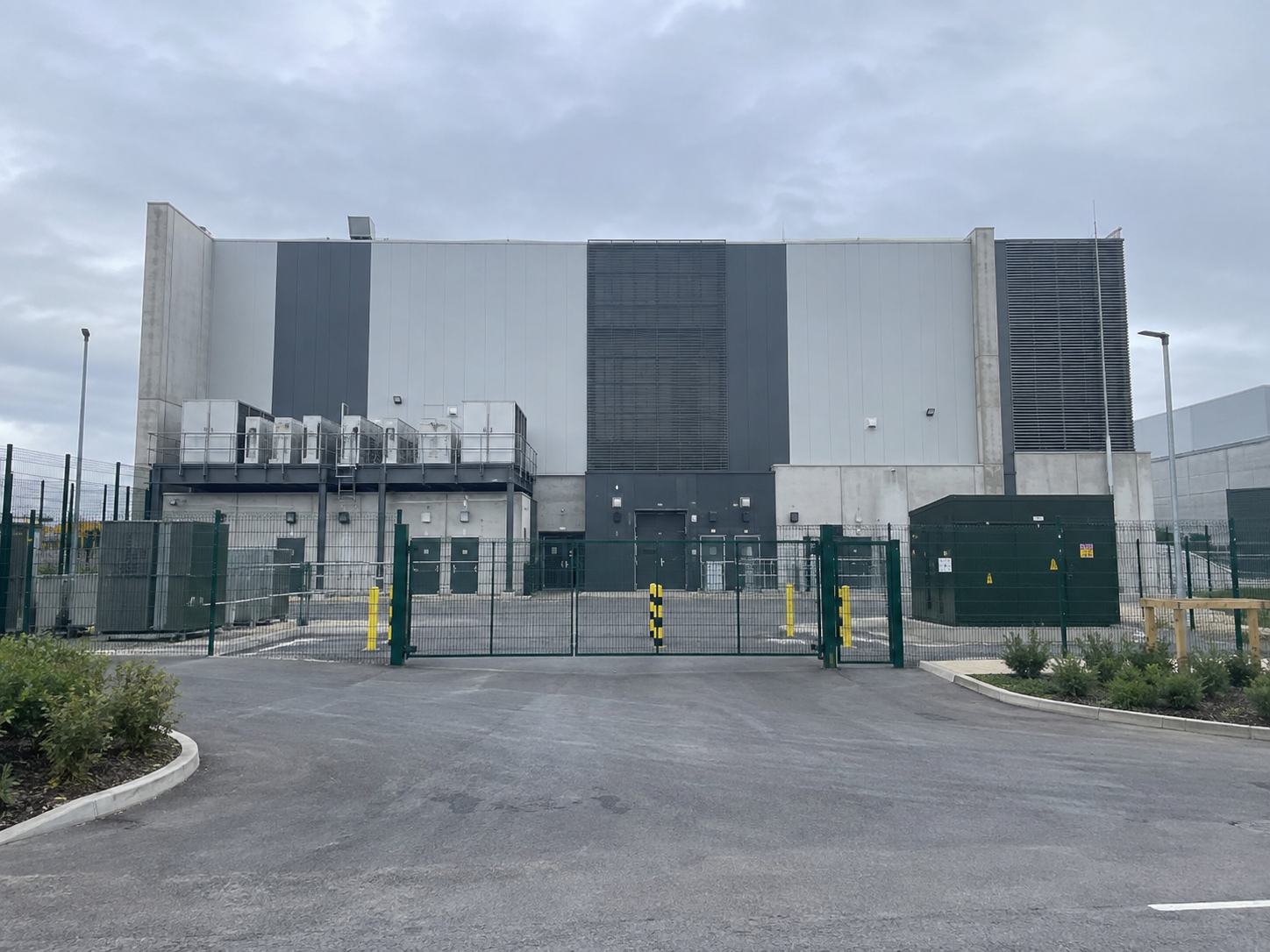
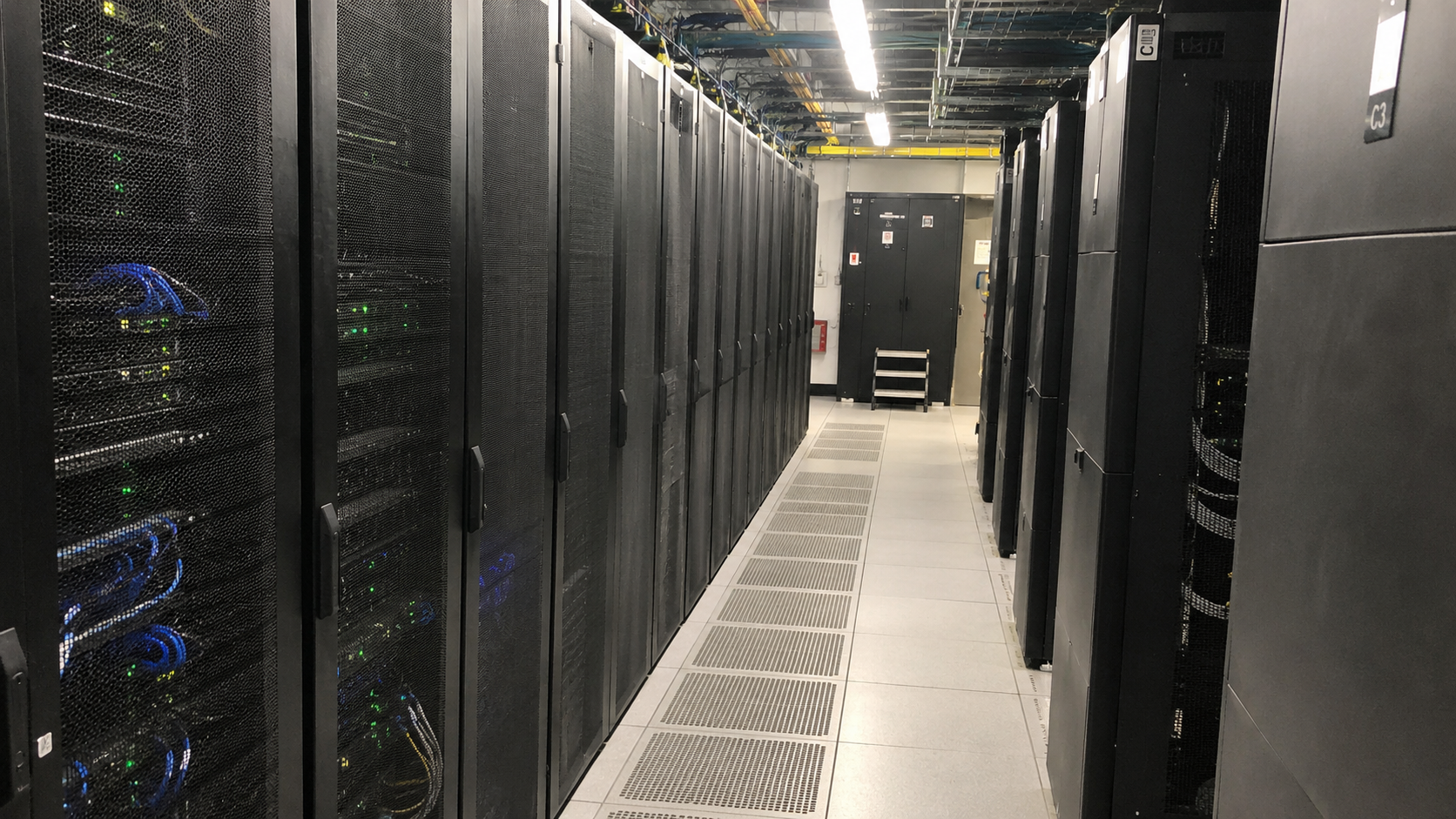
Rather than focusing solely on software development, attention is shifting toward the physical systems required to support AI — including data centres, high-performance chips, and secure networks.
The move is already being reflected in procurement. The U.S. Army recently signed a contract with defense startup worth up to $20 billion over five to ten years, consolidating more than 120 existing orders into a single framework. The first task order under the agreement - an $87 million contract focused on counter-drone systems has already been issued.
From Capability to Capacity
In recent years, AI in defense was largely framed around potential use cases. By late 2025, the conversation has shifted toward execution.
Military applications — from intelligence analysis to autonomous systems — require large-scale data processing and real-time decision-making capabilities. That move is driving demand for more robust computing infrastructure.
The challenge is no longer just building AI systems, but ensuring there is enough capacity to run them effectively.
The move reflects a broader transition from pilot programs and prototypes toward long-term operational deployment, where systems are expected to perform reliably in real-world conditions.
Infrastructure Becomes Strategic
The Pentagon’s focus reflects a broader shift in how AI is viewed.
Compute power, data availability, and system resilience are increasingly treated as strategic assets. This mirrors earlier developments in semiconductor supply chains and communications infrastructure.
Securing access to these resources is becoming as important as developing the technology itself.
The deal follows a separate 10-year, $10 billion contract awarded, highlighting how defense procurement is shifting toward fewer, larger enterprise agreements tied directly to operational systems.
Unlike earlier software-focused contracts, newer agreements increasingly bundle hardware, software, and services together, linking them directly to mission-critical applications such as counter-drone operations.
Energy and Supply Chain Considerations
AI infrastructure carries significant energy requirements.
As demand grows, power supply and grid capacity are becoming part of defense planning. At the same time, reliance on advanced semiconductor manufacturing continues to shape policy decisions around supply chain security.
These factors are linking defense strategy more closely with industrial policy.
The Pentagon’s approach also relies more heavily on firm fixed-price contracts, which lock in costs and shift execution risk to contractors — a model that has historically led to significant losses in complex defense programs when technical challenges emerge.
A Longer-Term Shift
The Pentagon’s expanding focus on AI infrastructure highlights a broader transition.
Artificial intelligence is no longer just a research priority, it is becoming embedded in operational systems that require long-term investment, coordination, and physical capacity.
That shift suggests future defense capability will be shaped not only by technological innovation, but by which companies can deliver and sustain systems at scale under real operational conditions.
Disclaimer: This article is for informational purposes only and does not constitute financial advice. Always conduct your own research before making investment decisions.
Source
¹ http://timesofindia.indiatimes.com/articleshow/129744507.cms