

Strengthening Strategic Technology
European governments have announced fresh investment and partnership frameworks aimed at expanding domestic semiconductor manufacturing capacity. The move reflects growing recognition that advanced chips are now central to economic security, industrial competitiveness and digital infrastructure.
Semiconductors power everything from smartphones and medical devices to electric vehicles and defence systems. Recent global supply disruptions exposed how dependent many regions remain on overseas production, particularly in Asia. European policymakers are now seeking to reduce that reliance.
Building Local Capacity
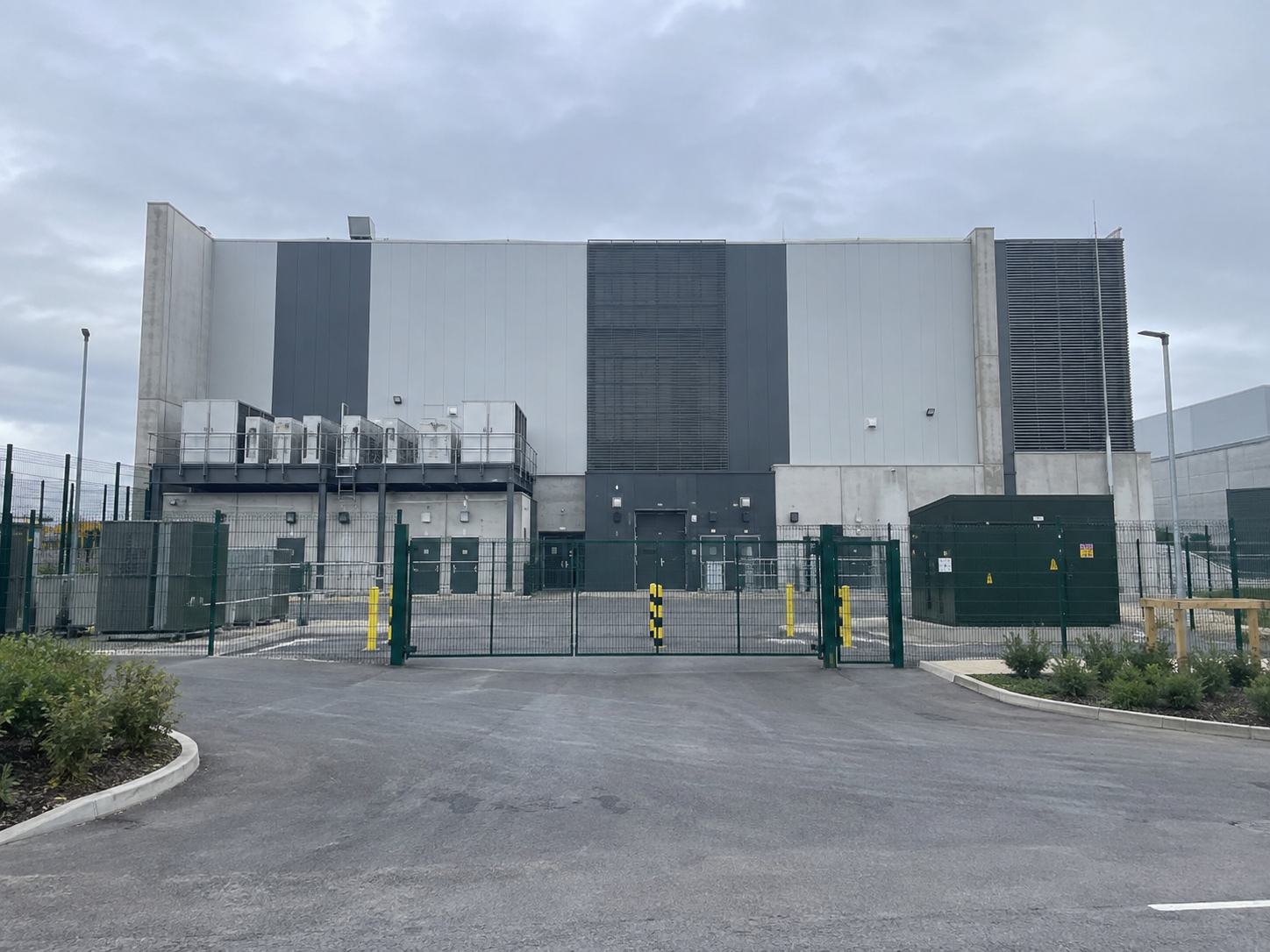
The new funding packages focus on supporting research facilities, fabrication plants and training programmes. By strengthening the entire ecosystem, from design to manufacturing, officials hope to create a more resilient supply chain within Europe.
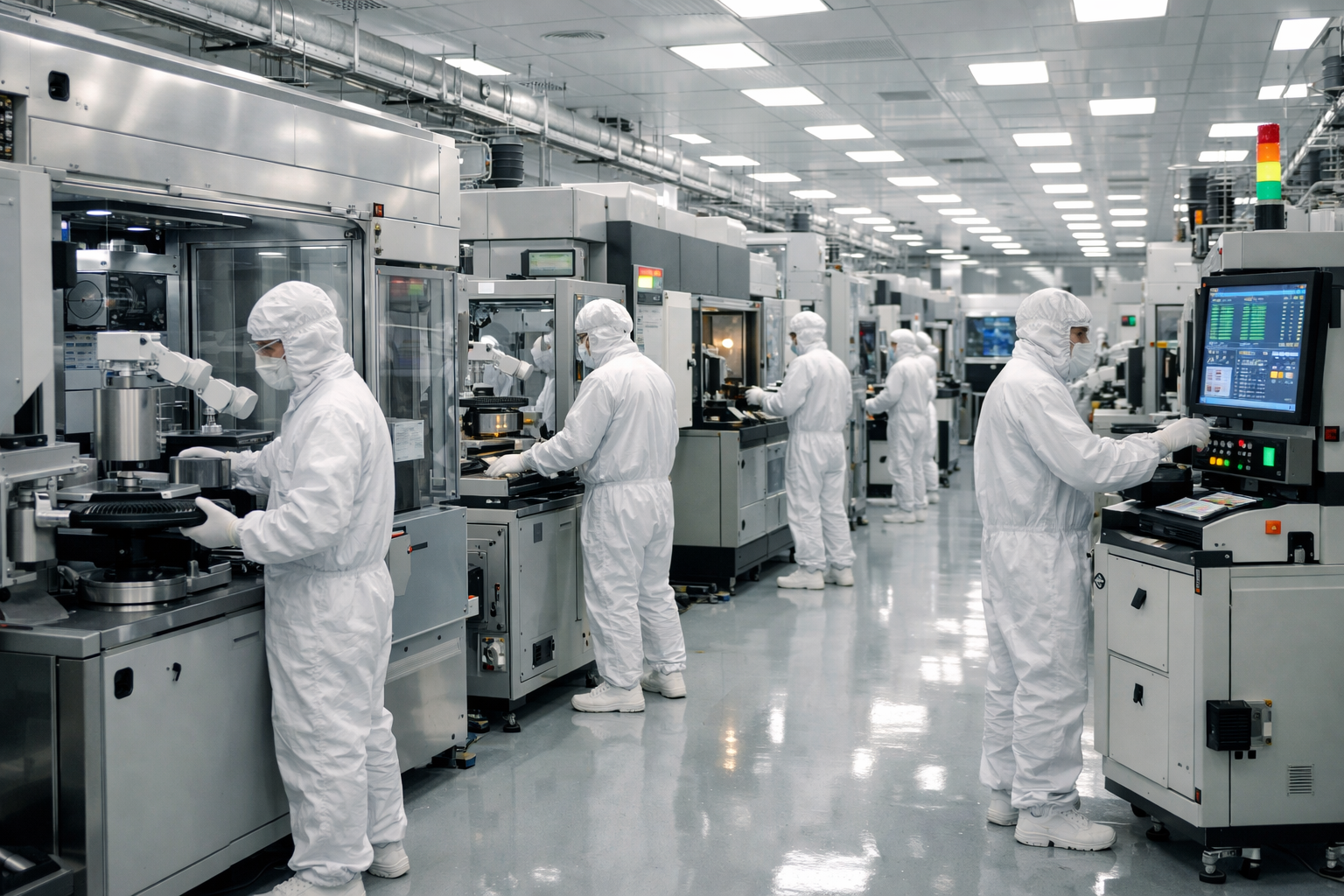
Chip fabrication is capital intensive and technically complex. Modern facilities require billions of pounds in investment and highly specialised expertise. Governments are therefore combining public funding with private sector partnerships to attract global manufacturers and support local firms.
Training is also a priority. Expanding production requires engineers, materials scientists and technicians with advanced skills. Universities and technical institutes are expected to play a larger role in developing that workforce.
Economic and Industrial Impact
Supporters argue that greater domestic chip production can stimulate wider economic growth. Semiconductor plants often anchor clusters of related industries, including equipment suppliers, software developers and research institutions.
The automotive sector in particular stands to benefit. Electric vehicles rely heavily on advanced chips for battery management, safety systems and driver assistance technologies. Ensuring stable supply could protect manufacturing output and jobs across Europe.
At the same time, policymakers acknowledge that complete self sufficiency is unrealistic. Global supply chains remain interconnected, and international cooperation will continue to be necessary. The goal is not isolation, but greater balance and reduced vulnerability to shocks.
Navigating Global Competition
Europe’s expansion efforts unfold against a backdrop of intense global competition. Other major economies have launched their own semiconductor strategies, offering subsidies and incentives to attract investment.
This raises questions about cost, efficiency and the long term sustainability of public support. Critics caution that state backed expansion must be carefully targeted to avoid excess capacity or misallocation of resources.
Nonetheless, the strategic importance of semiconductors appears unlikely to diminish. As digital services, artificial intelligence and advanced manufacturing continue to grow, demand for chips will remain strong.
Europe’s latest investment push signals a shift in industrial policy thinking. Rather than relying purely on market forces, governments are taking a more active role in shaping critical technology supply chains. Whether these efforts achieve lasting resilience will depend on execution, coordination and the ability to compete in a fast moving global industry.