

Key Highlights
- U.S. grid operators warn that AI-driven data center expansion is accelerating electricity demand growth ¹
- Data centers could consume up to 9% of U.S. power by 2030 ²
- Nvidia CEO Jensen Huang says AI infrastructure investment remains in its early stages ³
The rapid expansion of artificial intelligence infrastructure is beginning to show up in America’s power demand forecasts.
Grid operators across several U.S. regions are reporting faster-than-expected load growth tied to new data center construction, particularly those designed to support AI model training and inference workloads ¹. The surge marks a notable shift after nearly two decades of relatively flat electricity demand.
According to recent projections, U.S. data centers could account for between 6% and 9% of total electricity consumption by 2030, up from roughly 4% today ². Much of that increase is being attributed to AI-specific computing clusters, which require significantly higher power density than traditional cloud operations.
Compute Expansion Is Accelerating
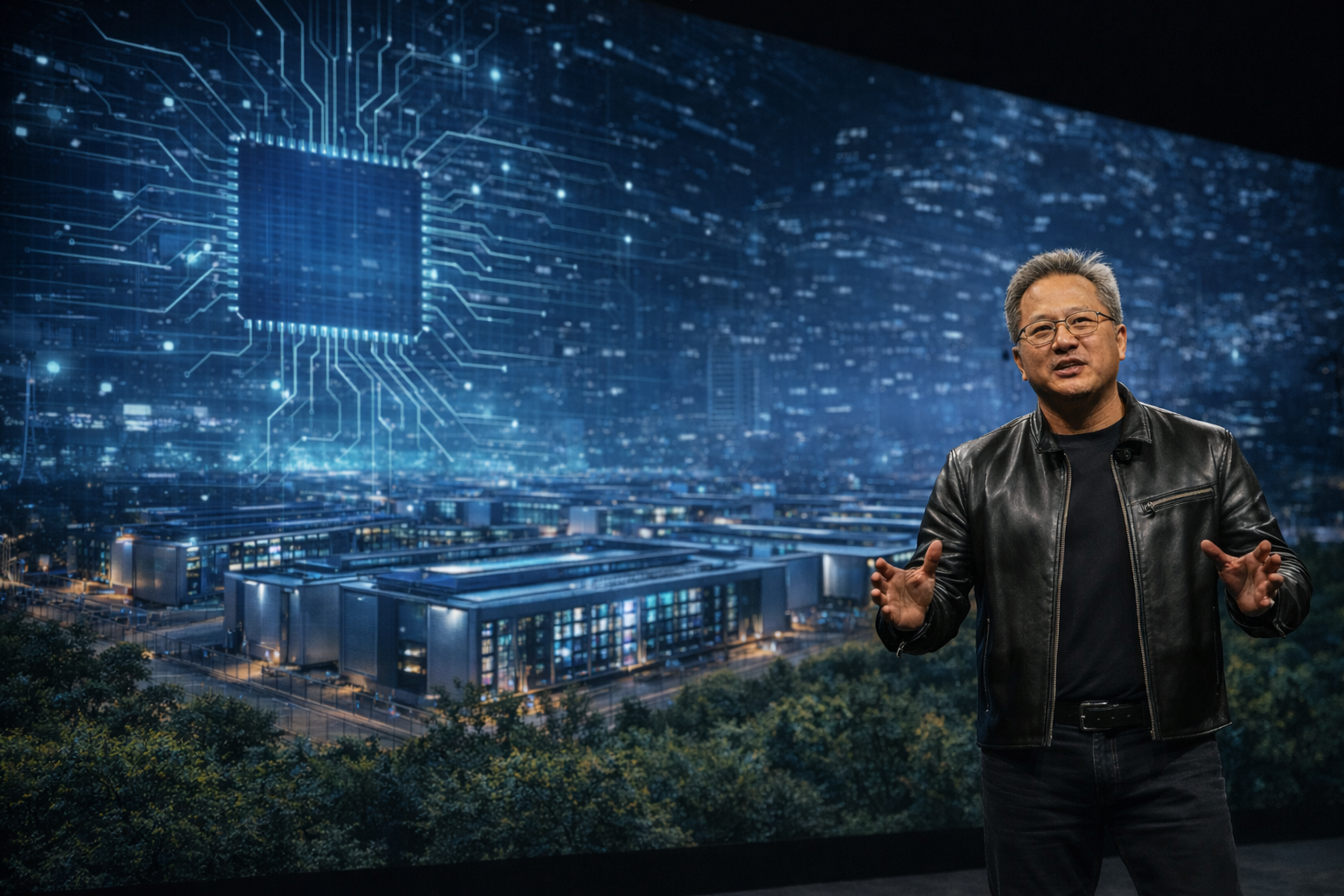
Nvidia CEO Jensen Huang said at a November technology conference that
“AI infrastructure is the foundation of the next industrial wave,”
adding that global buildout remains in early stages ³.
The comment aligns with capital expenditure trends among hyperscale cloud providers, which have sharply increased investment in high-performance computing facilities throughout 2025.
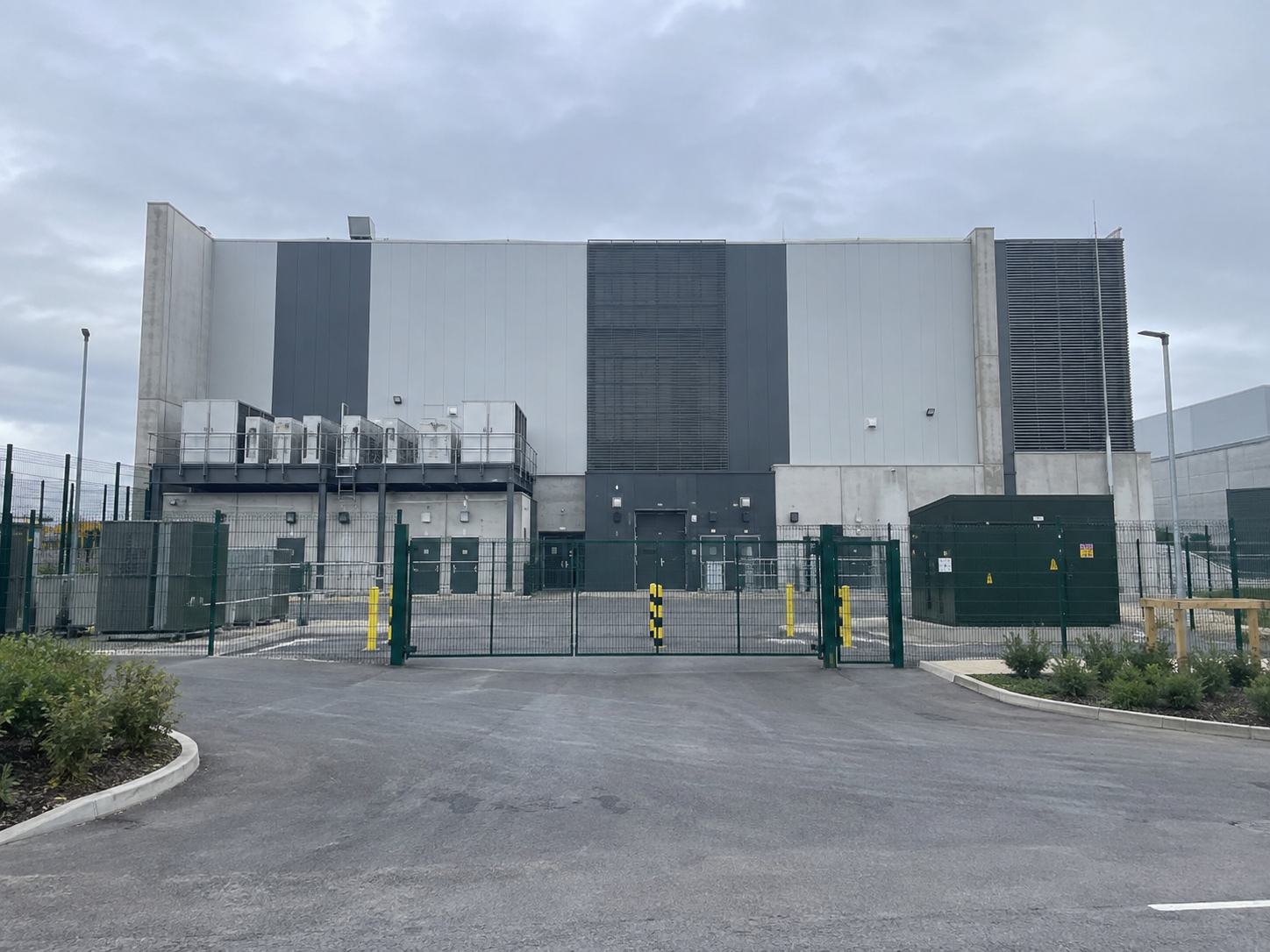
Unlike traditional enterprise data centers, AI campuses often require:
- High-density GPU clusters
- Advanced cooling systems
- Dedicated substations
- On-site backup generation
That infrastructure intensity has amplified pressure on local grids, particularly in states like Texas, Virginia, and Arizona, where data center growth has been concentrated.
Utilities Respond to Demand Growth
Regional transmission organizations have begun revising long-term capacity planning models. Some utilities are accelerating natural gas plant upgrades, while others are exploring nuclear and large-scale battery storage solutions to support rising baseload demand.
The Energy Information Administration recently projected that U.S. electricity consumption could reach record highs in 2025 and 2026, driven in part by data center expansion and domestic manufacturing growth ⁴.
This represents a structural shift. For years, efficiency improvements offset economic growth in electricity consumption. AI appears to be reversing that trend.
A Broader Infrastructure Cycle
While grid strain presents near-term planning challenges, it is also triggering a new wave of infrastructure investment across generation, transmission, and energy storage.
Equipment manufacturers, transmission developers, and power producers are increasingly central to the AI expansion narrative.
The growth of AI infrastructure is no longer confined to semiconductor design and cloud software — it now directly intersects with national energy capacity planning.
November’s grid warnings highlight how quickly computing demand is reshaping physical infrastructure requirements across the United States.
Disclaimer: This article is for informational purposes only and does not constitute financial advice. Always conduct your own research before making investment decisions.
Sources:
¹ https://www.ferc.gov/news-events/news
² https://www.iea.org/reports/electricity-2024
³ https://www.nvidia.com/en-us/news/
⁴ https://www.eia.gov/outlooks/steo/