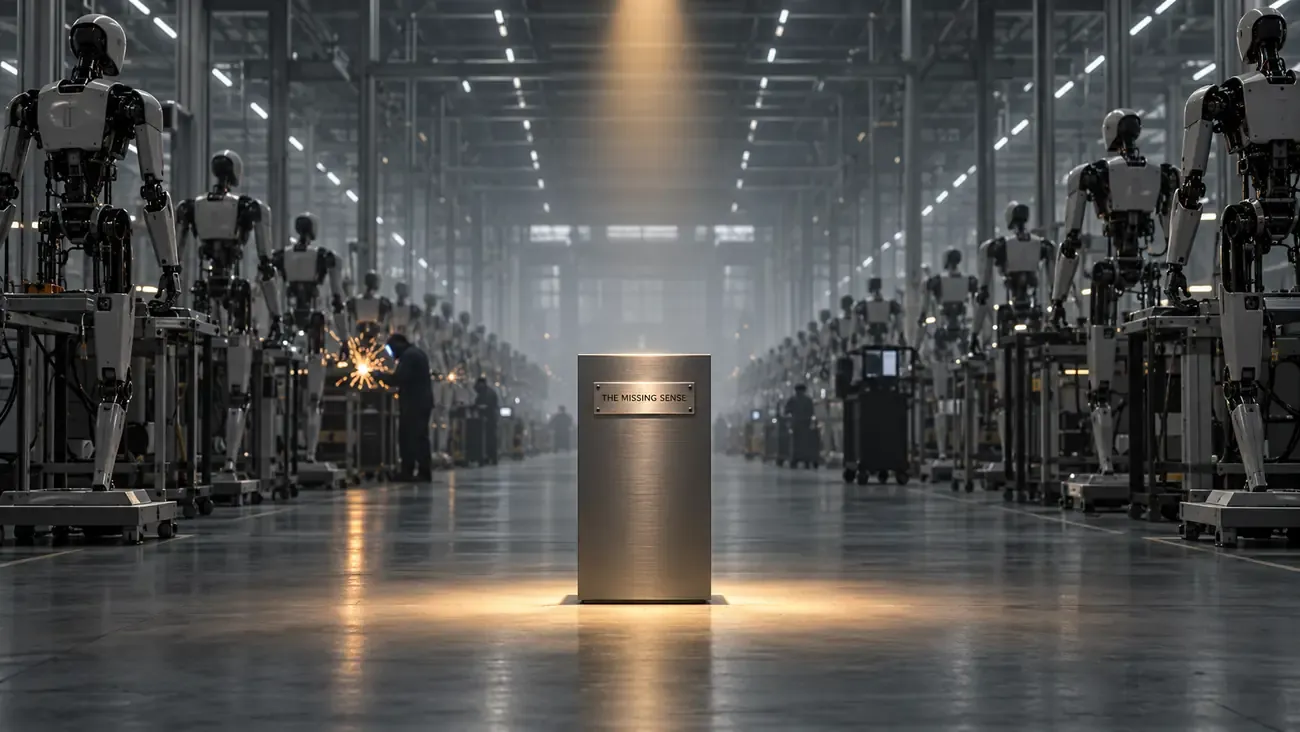
AI Has Learned To See, Hear And Think. Now It’s Learning To Smell.
A $5 trillion robotics market is taking shape. Intellistake (CSE: ISTK | OTCQB: ISTKF | FSE: E41) is targeting the technology that could give those machines something they’ve never had before: a sense of smell.
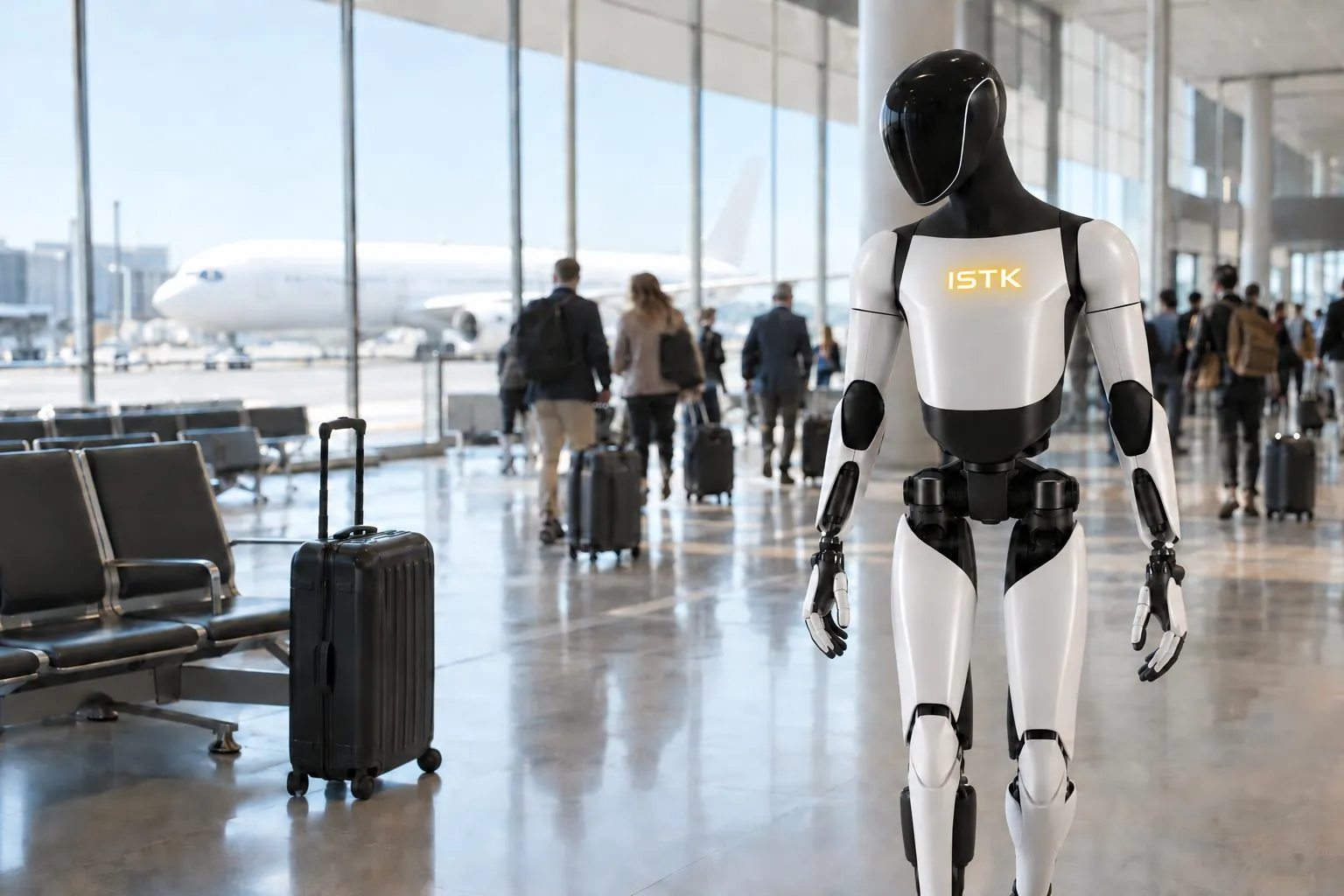
SEE ✓
HEAR ✓
MAP ✓
THINK ✓
SMELL ✕✓
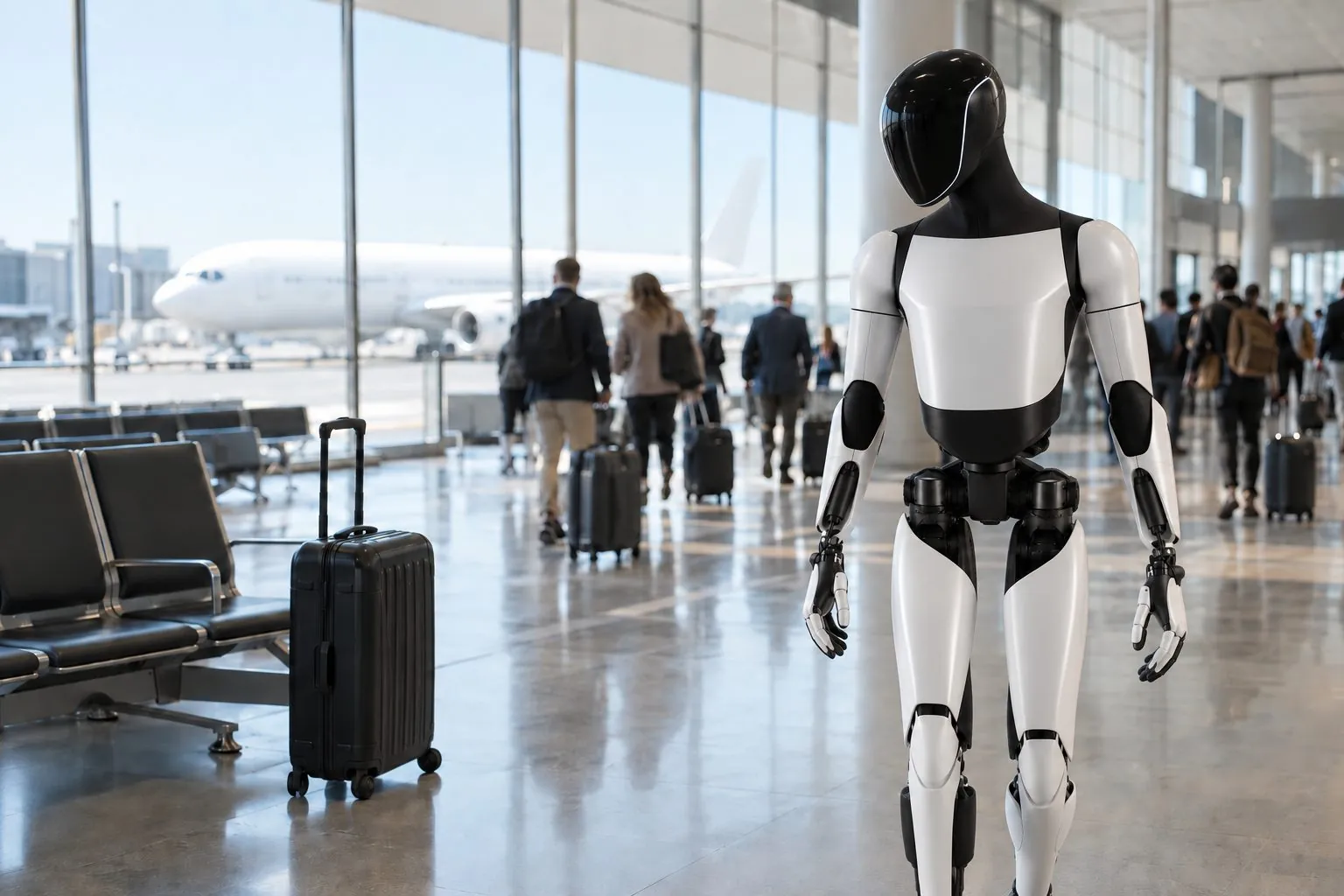
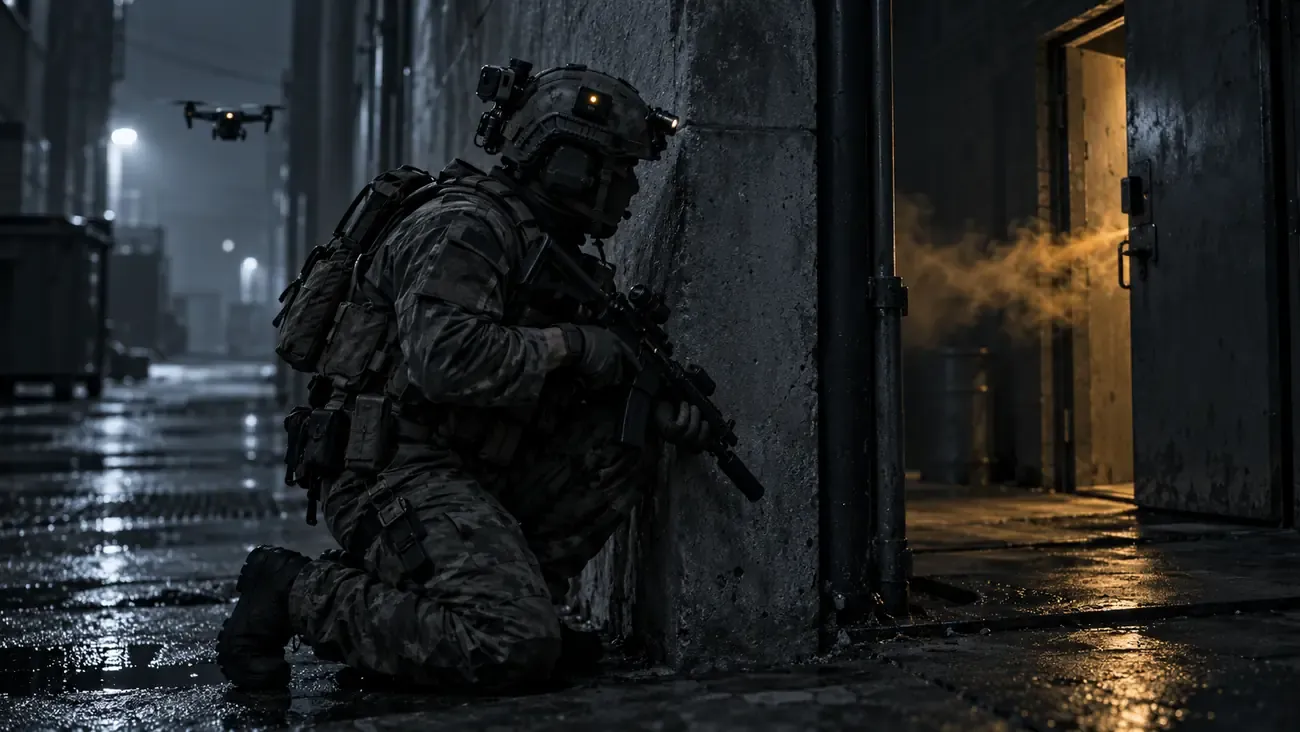
Illustrative image. Not actual field performance.
Disseminated on behalf of Intellistake Technologies Corp.
The race to build intelligent machines is accelerating.
Morgan Stanley estimates the humanoid robotics market alone could grow to $5 trillion by 2050, driven by more than 1 billion robots operating around the world.1
The world’s richest man is betting his company on it. Tesla CEO Elon Musk, whose Optimus humanoid robot is still in development, posted a striking prediction on X:
“~80% of Tesla's value will be Optimus.”
Elon Musk, CEO of Tesla · on X, September 2025 2
The private market is paying up to make this a reality. Over just 18 months, humanoid robot maker Figure AI saw its valuation soar 15-fold, from $2.6 billion to $39 billion, backed by investors including Nvidia, Intel, Qualcomm and Salesforce.3
Humanoid robots are worth billions
Robot maker Figure AI is worth $39 billion. Its robots can’t smell
FIGURE AI IS VALUED AT
$39B
Up 15x in 18 months
ITS ROBOTS CAN
WALK ✓
SEE ✓
HEAR ✓
USE HANDS ✓
SMELL ✕
The one thing they can’t do
SMELL
Intellistake (CSE: ISTK) has signed to buy NanoAi, the company building it, for about C$17M.
Figure AI valuation per its Series C announcement 3. Acquisition subject to closing conditions 23. Not a valuation of Intellistake or NanoAi.
And the opportunity extends well beyond humanoids.
The Pentagon has requested $13.4 billion for autonomy and autonomous systems in its 2026 budget, as these machines take on an expanding role in defense and public safety.4
Today’s most advanced robots can navigate complex environments. Cameras allow them to see. Microphones allow them to hear. Lidar helps them map their surroundings. AI allows them to interpret what they encounter and assess potential threats.
But there is still something that has evaded even the most sophisticated machines:
Smell.
And in some of the high-stakes environments where robots are being deployed, that missing sense could be critical.
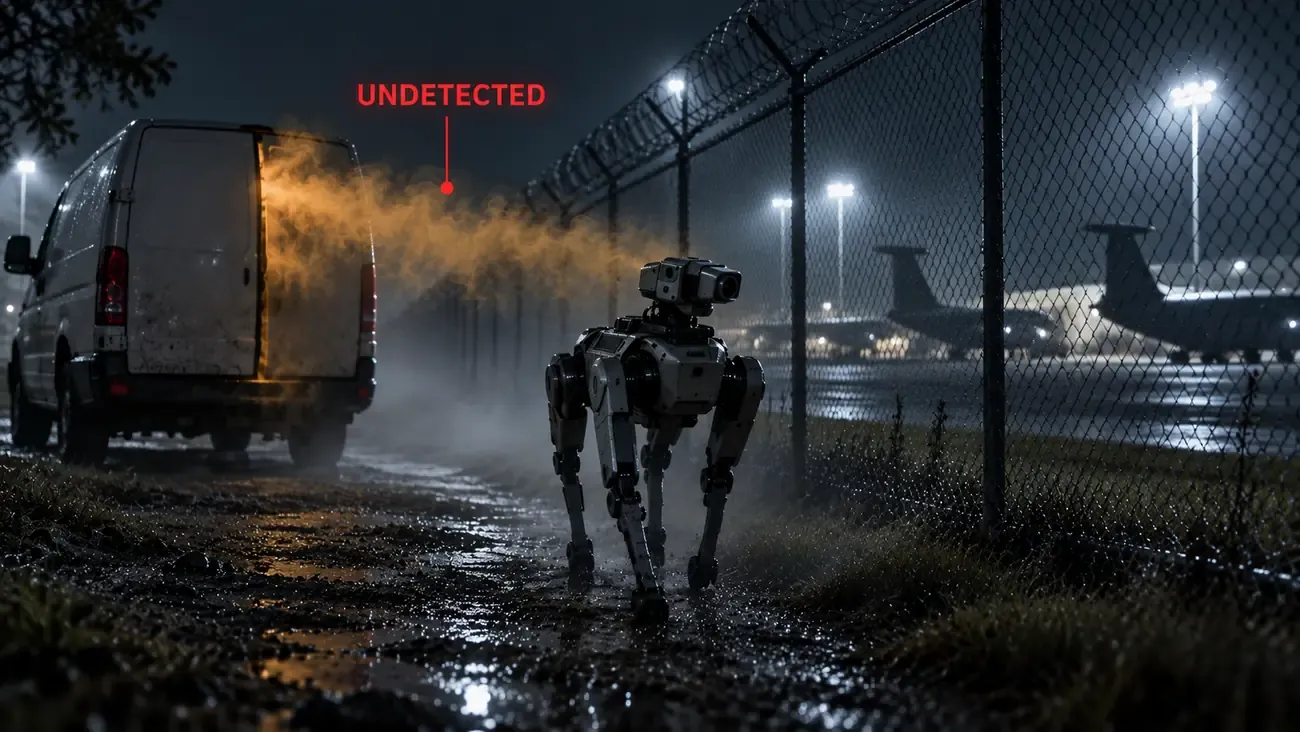
An explosive may be hidden inside a vehicle.
Fentanyl could be concealed inside a shipment crossing a U.S. port.
A chemical threat could be invisible to a camera, silent to a microphone and impossible for radar to identify.
Same car, five ways to check it
Every sensor says it’s clean. The air says otherwise
CAMERANothing
THERMALNothing
MICSilent
RADARNo return
AIRFentanyl found
Illustrative. Not actual field performance.
Yet each of these leaves a chemical signature behind in the air. It’s just a matter of figuring out how to read it.
That’s what Intellistake Technologies Corp. (CSE: ISTK | OTCQB: ISTKF | FSE: E41) is targeting through its planned acquisition of NanoAi Technologies.23
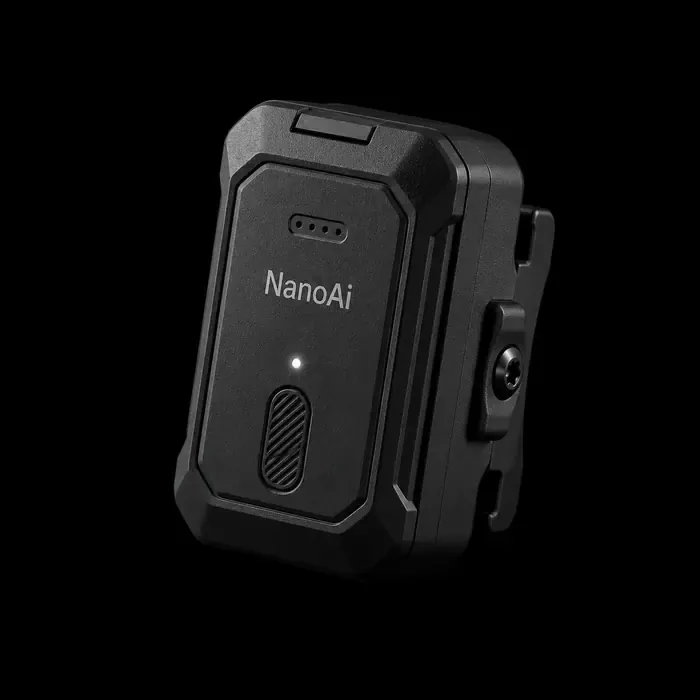
NanoAi has developed an AI-powered sensor platform designed to recognize the chemical signatures associated with explosives, narcotics and other chemical threats, without requiring physical contact with the source.
Concept render.
Smaller than a deck of cards, the sensor could be deployed across everything from robots and drones to military wearables, autonomous vehicles and fixed security systems.
Designed to mount almost anywhere
One sensor. Every machine
The sensor. Smaller than a deck of cards.
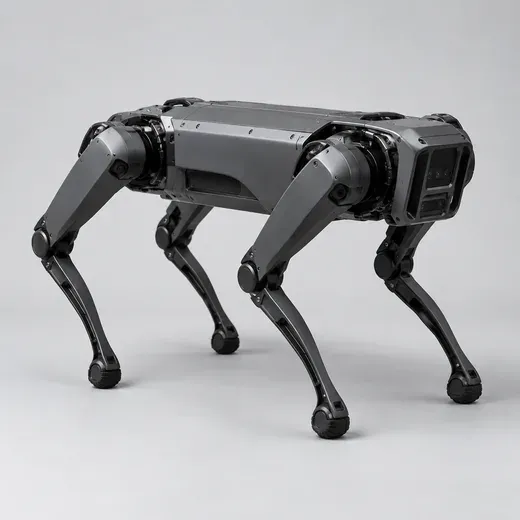
PATROL ROBOT
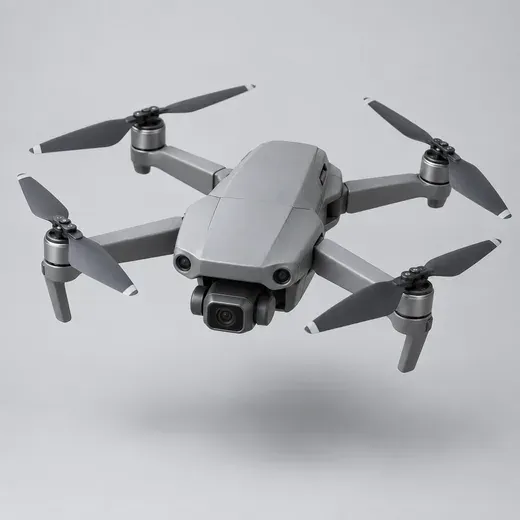
DRONE
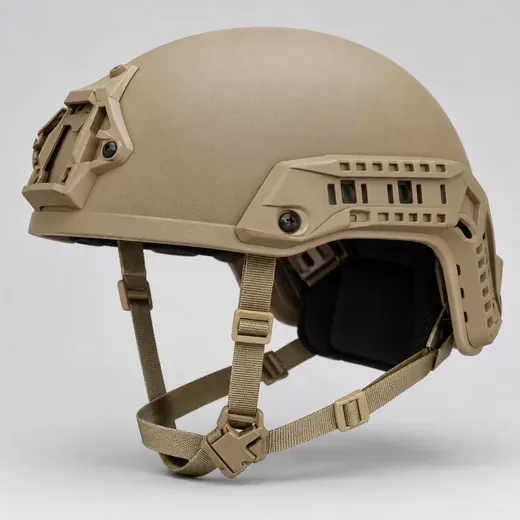
HELMET
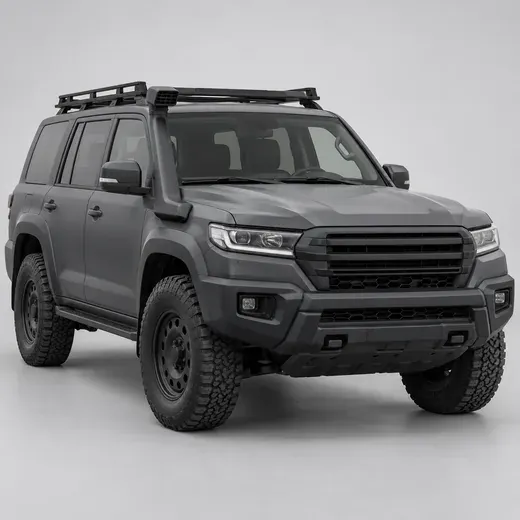
VEHICLE
ENTRYWAY
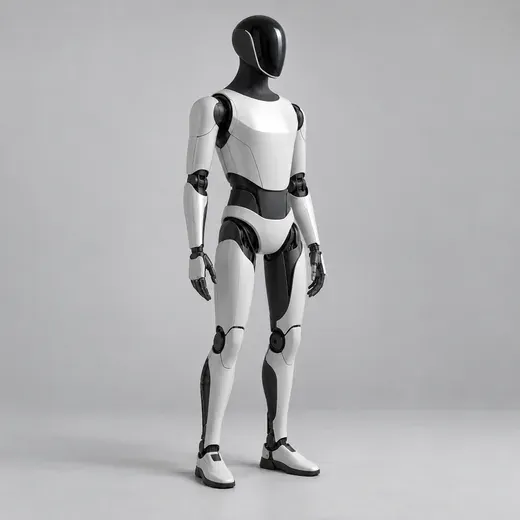
HUMANOID
It doesn’t need to win the robot race. It needs to be the sense they all use.
Illustrative mounting formats. NanoAi’s sensor is in development; integrations shown are potential applications, not existing deployments.
Put it on a patrol robot, and the machine could potentially do more than see suspicious terrain. It could screen the air around it.
Put it on a drone, and it could investigate chemical threats without sending a person or a detection dog in first.
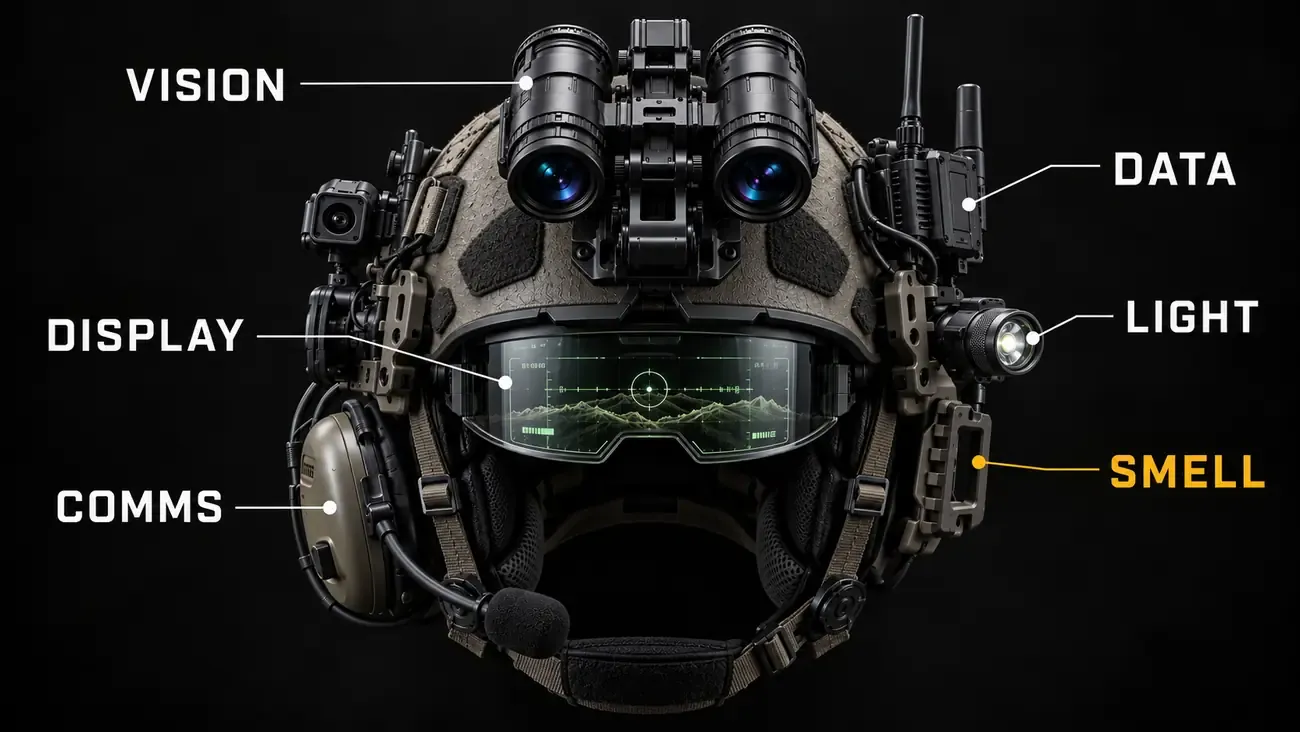
Integrate it into a military helmet, and it could potentially help soldiers detect an IED by its chemical signature, even when traditional tools struggle to find it.
That puts Intellistake in a unique position. The company isn’t trying to build the next generation of robots. It doesn’t need to win the robot race.
It just needs to build the sensing technology they can all use.
Billions Are Pouring Into Machines Of The Future
Illustrative image.
The race to build intelligent machines is already underway.
The machines of the future, in numbers
A billion robots. Not one can smell
Each dot is 1 million humanoid robots Morgan Stanley projects could be at work by 2050
$5 TRILLION
Potential humanoid robotics market by 2050 1
1+ BILLION
Humanoid robots that could be operating worldwide by 2050 1
$13.4B
Pentagon 2026 budget request for autonomy and autonomous systems 4
Market figures are third-party estimates and a budget request, not forecasts of Intellistake revenue.
Robots Aren’t Coming. They’re Already Here.
Illustrative image.
Elon Musk has described his vision for Tesla in two words: “robot army.”5
That vision is getting increasingly ambitious. In November 2025, Tesla shareholders approved a pay package for Musk that includes a target of one million Optimus robots delivered.6 In the home, you can already put down a deposit on a $20,000 humanoid that does household chores.7
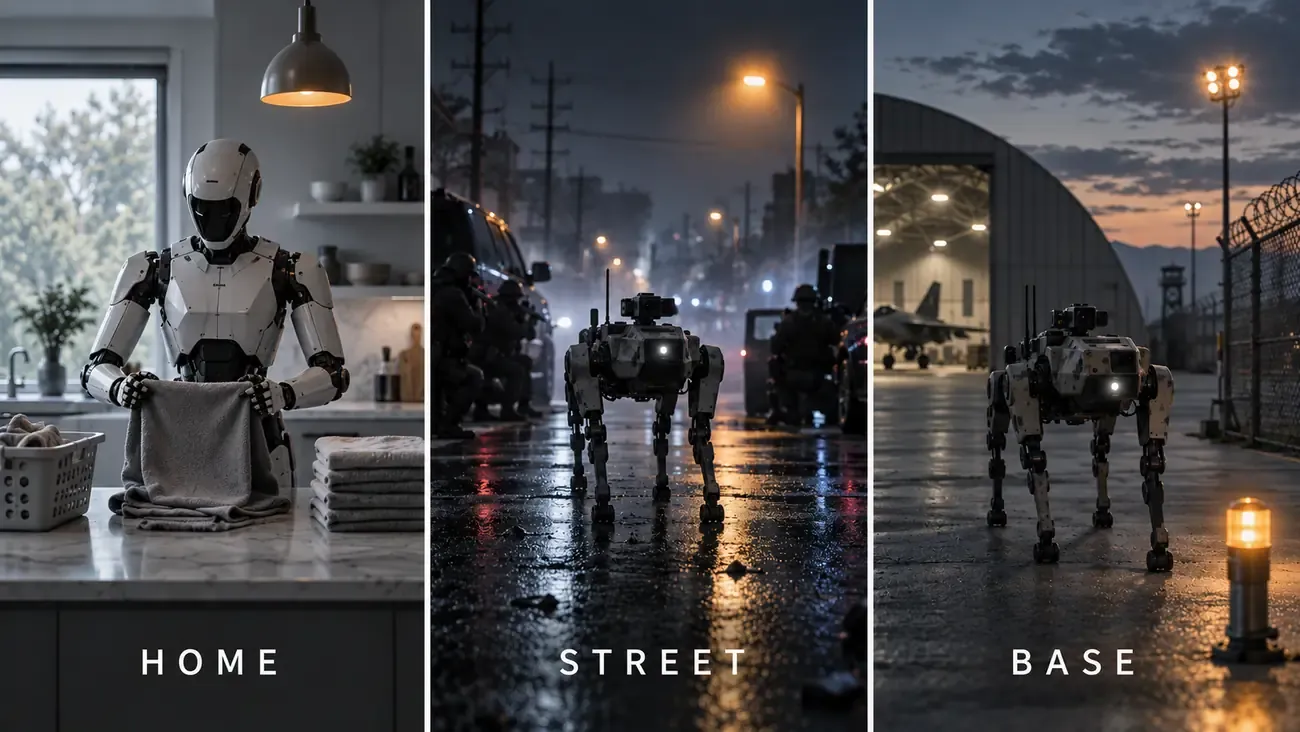
Autonomous machines are moving into places once occupied exclusively by people. That includes some of the most demanding defense and public safety operations.
Illustrative image. Not actual field performance.
In 2020, Tyndall Air Force Base in Florida became the first U.S. Department of Defense installation to deploy semi-autonomous, four-legged robots for base security.8 They patrol the grounds using cameras and onboard sensors to monitor their surroundings.
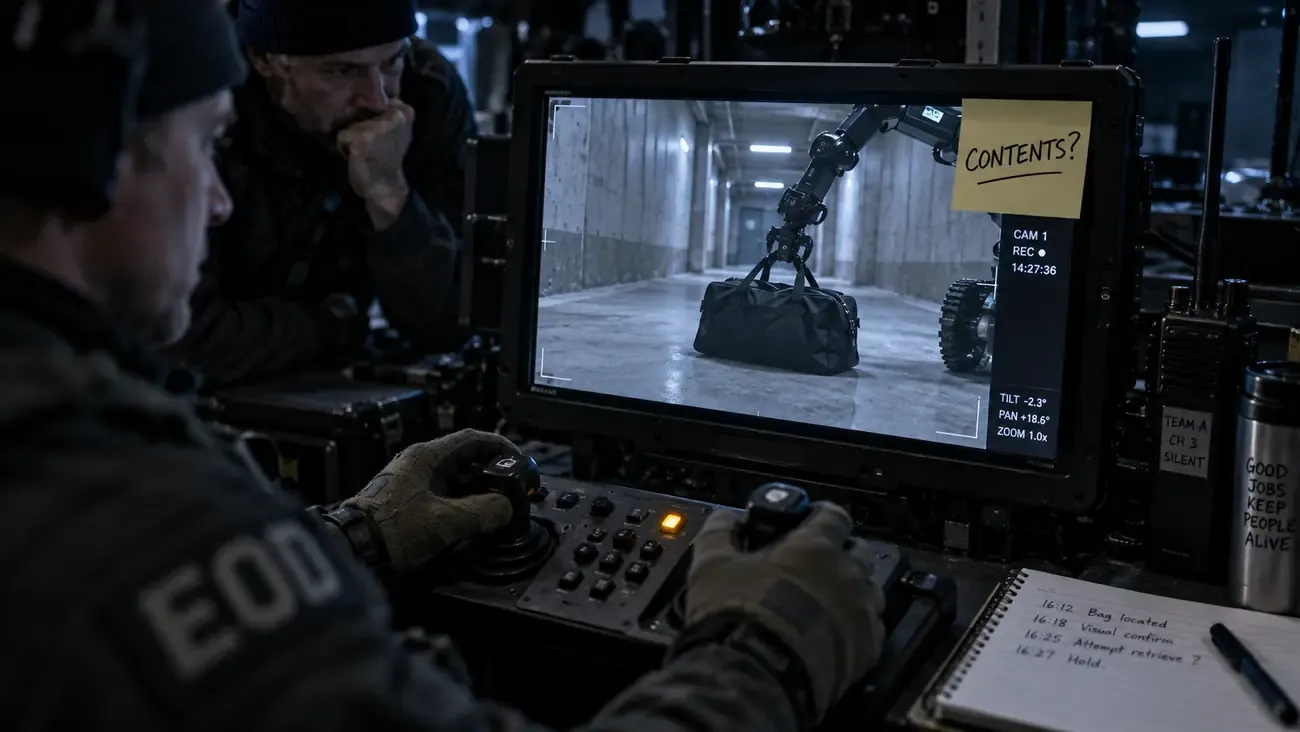
More than 60 U.S. and Canadian bomb squads and SWAT teams now use four-legged robots during armed standoffs, hostage situations and hazardous-material incidents.9
Illustrative image.
These machines can already see, hear, navigate and increasingly make decisions on their own. But giving them a sense of smell presented an entirely different challenge.
Teaching Machines To Smell
Smell is one of the hardest human senses to replicate.
It’s extraordinarily complex. Vision starts with just three types of color receptors. Smell has to make sense of signals from as many as 400 different receptor types.10
Why smell is the hard one
Eyes use 3 signals. Noses use 400
YOUR EYES MIX
3signals
YOUR NOSE MIXES
400signals
TOO MESSY FOR NORMAL CODE…
■ AI SPOTS THE PATTERN
Smell is a pattern-recognition problem. Pattern recognition is exactly where AI excels. Illustrative; does not depict NanoAi’s method. Receptor counts, source 10.
That makes smell, in essence, a pattern-recognition problem. And pattern recognition is exactly where AI excels.
NanoAi’s approach started with a compact sensor designed to analyze the air around it for specific chemical signatures.
Much like a fingerprint can identify a person, different substances produce distinct molecular patterns.
The technology is designed to recognize those patterns and identify targets even at low concentrations. In peer-reviewed testing, it detected trace compounds as low as 50 parts per billion.11
Through its planned acquisition, Intellistake (CSE: ISTK | OTCQB: ISTKF | FSE: E41) aims to put that capability to work, teaching machines to recognize the molecular fingerprints of danger in the air.
Explosives. Fentanyl and other narcotics. Chemical threats. Gunpowder.
Instead of waiting until a person, dog or handheld detector gets close enough to identify the threat, the goal is to recognize its chemical signature at a safe distance.
The Billion-Dollar Economics Of Machine Perception
History shows just how valuable a new machine sense can become. Some of tech’s biggest acquisitions started with a new way for machines to sense the world.
Mobileye developed computer vision technology enabling vehicles to identify roads, lanes, vehicles and other objects around them. Intel ultimately acquired the company for roughly $15.3 billion, combining Mobileye’s computer vision with Intel’s computing power.12 It became a foundation of automated driving.
Apple acquired fingerprint-sensor company AuthenTec for roughly $356 million. Its technology helped pave the way for Touch ID.13
Then came PrimeSense, known for the 3D-sensing technology behind Microsoft’s Kinect. Apple acquired the company in 2013 for a reported $360 million.14 Its sensing technology would later contribute to the development of Face ID.15
Teach a machine a new sense, and someone buys it
Sight. Touch. Depth. Next: smell
SIGHT$15.3BMobileye, bought by Intel
TOUCH$356MAuthenTec, bought by Apple
DEPTH$360MPrimeSense, bought by Apple
SMELLC$17MNanoAi, signed to be acquired by Intellistake
Reported acquisition values.12,13,14,23 Not a prediction that Intellistake or NanoAi will be acquired or reach similar values.
The pattern shows a clear trajectory. When machines gain a new way to perceive the physical world, the impact can extend far beyond the sense itself. It can enable entirely new categories of technology.
A Critical Blind Spot In Threat Detection
Illustrative image.
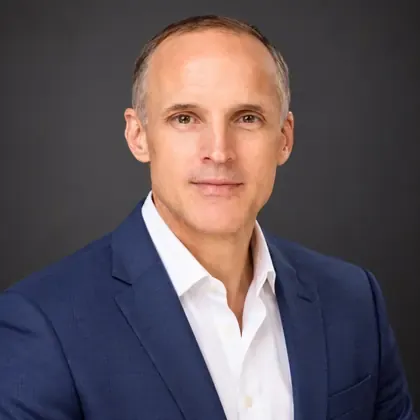
Craig Micklich, NanoAi founderSpent 12 years as a U.S. Navy SEAL. Began developing the sensor in 2018.
12 years, U.S. Navy SEALFounder, NanoAi
NanoAi founder Craig Micklich spent 12 years as a U.S. Navy SEAL. During that time, he saw firsthand some of the battlefield’s most difficult challenges.
He watched as new technologies emerged, transforming soldiers’ ability to see, navigate and understand the environment around them.
Night vision made it possible to operate in darkness. Thermal imaging revealed what the naked eye couldn’t. Drones could scout dangerous terrain before soldiers entered it.
But one of the deadliest threats has been particularly difficult to detect.
Hidden explosives.
IEDs could be buried beneath roads, concealed inside vehicles or disguised inside ordinary objects. And their impact on U.S. forces is staggering.
U.S. troop deaths caused by IEDs and their variants, 2006 to 2021
Hidden bombs killed nearly half
Iraq
48%
of U.S. troop deaths
Afghanistan
45%
of U.S. troop deaths
Each square is 1% of U.S. troop deaths in the period examined. Congressional Research Service analysis of Defense Department casualty data 16.
According to an analysis of Defense Department casualty data, IEDs and their variants accounted for 48% of U.S. troop deaths in Iraq and 45% in Afghanistan during the 2006 to 2021 period it examined.16
In 2018, Micklich set out to develop a new approach to the problem with NanoAi. That technology may now have a pathway onto the battlefield.
A Pathway Onto A Military Helmet Platform Used By U.S. And NATO Forces
Illustrative image.
Gentex Corporation is one of the established names in military headborne systems.
Its Ops-Core helmets are used across U.S. Special Operations Forces, the Army and Marine Corps, with NATO procurement extending across more than 20 countries.17
In June 2025, NanoAi became one of just ten development partners granted royalty-free licenses to develop add-on technology for Gentex’s Ops-Core RAILINK system.18
Gentex Ops-Core RAILINK development partners, June 2025
10 companies picked to plug into the helmet. NanoAi is one
Powered rail: power and data for attached devicesNANOAI: THE ONE THAT READS THE AIR
Since 1894Gentex has built protective equipment 24
SOF, Army, USMCOps-Core helmets in use across U.S. forces 17
20+ NATOnations supplied through a NATO procurement contract 17
Royalty-freedevelopment license, no license fee 18
A development license, not a supply contract. Gentex’s contracts are its own and confer no entitlement on NanoAi. Gentex Corporation of Carbondale, Pennsylvania is privately held and separate from NASDAQ-listed Gentex (GNTX).
RAILINK is a powered rail integrated into the helmet, allowing attached devices to draw power and exchange data through a common platform.25
The opportunity with Gentex comes at an interesting time. Billions of dollars are pouring into the race to build the next generation of connected soldiers and autonomous military systems.
Anduril recently landed a $159 million U.S. Army contract for soldier-worn technology, working alongside Meta and Gentex to enable capabilities like augmented reality and night vision.19,20
Meanwhile, the U.S. Army has established an agreement with Palantir worth up to $10 billion as AI and battlefield data become increasingly central to military operations.21
NanoAi is not a partner of Anduril, Meta or Palantir. It adds an entirely different sensory capability, one that could have significant implications both for military applications and beyond.
A New Layer Of Security Without Sacrificing Privacy
Illustrative image.
Airports. Border crossings. Ports. Stadiums. Transit hubs. Large public events.
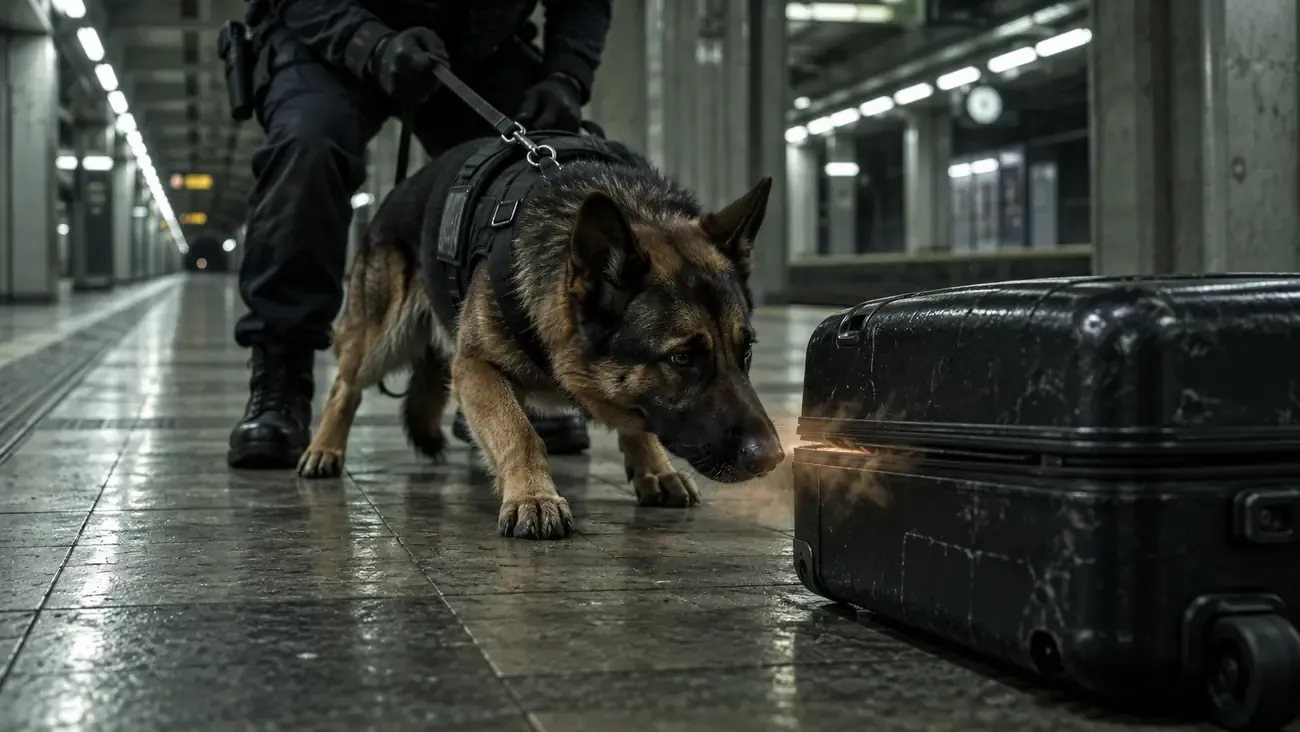
Today, screening still relies heavily on people and highly trained detection dogs.
Dogs have an excellent sense of smell. But they require handlers, training, rest and ongoing care. Deploying them at scale is expensive.
The estimated cost to train an explosives-detection dog and handler team can run anywhere from $33,000 to $46,000 a team.22
Six entrances, one shift
Dogs cover some doors. Sensors could cover all of them
Two dog teams. Six doors.
SHIFT 00:00
$33K to $46Kto train one explosives-detection dog and handler team 22
Illustrative scenario. Compact sensors are designed to monitor continuously; NanoAi’s technology is in development and not yet deployed.
Compare that to NanoAi’s compact sensors. They are designed to continuously monitor the surrounding air for targeted chemical signatures, without requiring a person or dog at every detection point.
That could allow sensors to operate continuously across entryways, vehicles, drones and fixed locations, adding another layer of detection while reducing the need to put people or animals directly in harm’s way.
And there’s another potential advantage to chemical detection. It doesn’t need to know who you are. That distinction is key as surveillance technologies raise new questions about privacy.
Automated license-plate reader networks have faced growing scrutiny over privacy, data sharing and reported misuse. Communities across the country have responded by pausing or ending contracts.
No cameras on faces. No plate readers
It finds the threat, not the person
FACESNot collected
PLATESNot collected
AIRScreened
Illustrative. Not actual field performance.
NanoAi’s approach is fundamentally different. It reads the air, not faces or license plates. The sensor is designed to identify targeted chemical signatures, not individual people or vehicles.
That could potentially allow security teams to detect dangerous substances in public environments without making personal identification part of the detection process.
7 Reasons To Add Intellistake (CSE: ISTK | OTCQB: ISTKF | FSE: E41) To Your Watch List
1AI Is Learning A New Sense
Machines learned to see through computer vision and hear through voice recognition. Now AI is opening another frontier: machine smell. Intellistake is targeting that capability for the detection of explosives, narcotics and chemical threats.
2Detection Down To Parts Per Billion50 ppb in peer-reviewed testing
NanoAi’s technology is designed to detect targeted chemical signatures in the air at extraordinarily low concentrations, without physical contact with the potential threat.
3Built From A Problem Seen On The Battlefield12 years, U.S. Navy SEAL
Founded by Craig Micklich, who saw how night vision, thermal imaging and drones helped protect soldiers, while hidden explosives remained a deadly blind spot.
4A Pathway Onto A Military Helmet Platform1 of 10 RAILINK partners
NanoAi was selected as one of only ten development partners granted royalty-free licenses to develop add-ons for Gentex’s Ops-Core RAILINK system, used across U.S. forces and more than 20 NATO nations.
5Small Enough To Deploy Almost AnywhereSmaller than a deck of cards
The sensor could potentially be integrated into helmets, drones, robots, vehicles, entryways and fixed detection points.
6A Potential Alternative To Labor-Intensive Screening$33K to $46K per dog team
Detection dogs require handlers, training, rest and ongoing care. NanoAi’s compact sensors are designed to monitor the air continuously, potentially expanding coverage.
7One Technology, Applications Far Beyond The BattlefieldReads the air, not faces
Border crossings, ports, airports, stadiums, transit hubs and major public events, without relying on facial recognition or license-plate surveillance.
→Signed. Not Yet Closed.C$17M planned acquisition
Intellistake has signed to acquire NanoAi for approximately C$17 million in shares, subject to closing conditions.23
●CSE: ISTKOTCQB: ISTKF · FSE: E41
Intellistake Technologies Corp. trades in Canada, the U.S. and Germany.
Intellistake (CSE: ISTK | OTCQB: ISTKF | FSE: E41) is still at an early stage, but the pieces are beginning to come together.
The pieces
An AI-powered sensor designed to give machines a new sense.
Technology born from a real-world military problem.
A development relationship providing a potential pathway onto an established military helmet platform.
Applications that could extend from the battlefield to borders, ports and public spaces.
The next step is proving how far that technology can go.
As Intellistake advances development, testing and potential integrations, new milestones could begin to tell that story.
If Intellistake Technologies Corp. is on your radar, now is the time to start following its progress.
This report contains "forward-looking information" concerning anticipated developments and events related to the Company that may occur in the future. Forward looking information contained in this report includes, but is not limited to, all statements in respect of the Company's growth and development, expectations regarding prediction market growth, the operations and business segments of the Company and NanoAi, the functionality of the Company's software, and its benefits, the details of the proposed acquisition of NanoAi, the conditions to completion of the proposed acquisition of NanoAi, the benefits of the acquisition of NanoAi and bridging the gap between emerging decentralized networks and real-world industry adoption.
In certain cases, forward-looking information can be identified by the use of words such as "expects", "intends", "anticipates" or variations of such words and phrases or state that certain actions, events or results "may", "would", or "might" suggesting future outcomes, or other expectations, assumptions, intentions or statements about future events or performance. Forward-looking information contained in this report is based on certain assumptions regarding, among other things, the Company will continue to have access to financing until it achieves profitability; the Company and NanoAi satisfy all conditions necessary to close the proposed transaction; the technology and blockchain industries in which the Company intends to focus its business in will grow at the rate and in the manner expected; the ability to attract qualified personnel; the success of market initiatives and the ability to grow brand awareness; the ability to distribute Company's services; the Company creates strategies to mitigate risks associated with cryptocurrency price fluctuations; the Company remains compliant with all applicable laws and securities regulations and applicable licensing requirements; the Company engages and collaborates with local experts, as necessary, to address jurisdiction-specific matters and ensures compliance with foreign regulations to avoid penalties; the Company addresses any potential cybersecurity threats promptly and effectively; the ability of the Company to develop its technology, acquire customers and have revenue; the ability to successfully deploy the new business strategy as a result of the change of business. While the Company considers these assumptions to be reasonable, they may be incorrect.
Forward looking information involves known and unknown risks, uncertainties and other factors which may cause the actual results to be materially different from any future results expressed by the forward-looking information. Such factors include risks related to general business, economic and social uncertainties; failure of the Company and NanoAi to satisfy all conditions necessary to close the proposed transaction; failure to raise the capital necessary to fund its operations; inability to create strategies to mitigate the risks associated with cryptocurrency price fluctuations; the costs of regulation in the digital asset industries increase to the extent that the Company is no longer generating sufficient returns for shareholders; failure to promptly and effectively address cybersecurity threats; insufficient resources to maintain its operations on a competitive basis; and the actual costs, timing and future plans differs expectations; legislative, environmental and other judicial, regulatory, political and competitive developments; the inherent risks involved in the cryptocurrency and general securities markets; the Company may not be able to profitably liquidate its current digital currency inventory, or at all; a decline in digital currency prices may have a significant negative impact on the Company's operations; the Company's success may depend on the continued involvement of key personnel, including advisors, whose involvement cannot be guaranteed; institutional adoption of decentralized AI infrastructure remains uncertain and may not occur at the pace or scale anticipated; evolving regulatory frameworks, including those related to AI (such as Canada's proposed Artificial Intelligence and Data Act) and prediction markets, may impose additional compliance burdens or restrict certain business activities; valuation figures are based on publicly available market data and internal assessments at the time of the referenced transactions and may not reflect current or future valuations; the volatility of digital currency prices; the inherent uncertainty of cost estimates and the potential for unexpected costs and expenses, currency fluctuations; regulatory restrictions, liability, competition, loss of key employees and other related risks and uncertainties; delay or failure to receive regulatory approvals; failure to attract qualified personnel, labour disputes; and the additional risks identified in the "Risk Factors" section of the Company's filings with applicable Canadian securities regulators.
Although the Company has attempted to identify factors that could cause actual results to differ materially from those described in forward-looking information, there may be other factors that cause results not to be as anticipated. Readers should not place undue reliance on forward-looking information. The forward-looking information is made as of the date of this report. Except as required by applicable securities laws, the Company does not undertake any obligation to publicly update forward-looking information.