In World War II, America’s unmatched industrial capacity gave the Allies a decisive advantage. Factories across the country produced ships, planes, and armaments at a scale no rival could match.[1]
Eighty years later, the balance has shifted. The U.S. still manufactures about 16% of the world’s goods. But China now produces nearly twice that at around 30% and, crucially, it controls many of the minerals those factories depend on. [2]
A recent report from the Center for Strategic and International Studies (CSIS) warned that in a conflict scenario, the U.S. stockpile of munitions could be depleted in less than a week.[3]
The deeper issue isn’t just the number of missiles on hand; it’s the ability to replenish them. Without secure access to critical minerals, America’s defense industry can’t sustain production.
China understands this leverage. It has already restricted exports of rare earths, graphite, and gallium to strategic rivals.[4] And as Washington ramps up its own reshoring efforts, battle lines are being drawn around mineral supply chains.
Titanium, indispensable to aerospace, defense, advanced medical devices, and energy, could be the next flashpoint.
Titanium at the Core of Modern Warfare
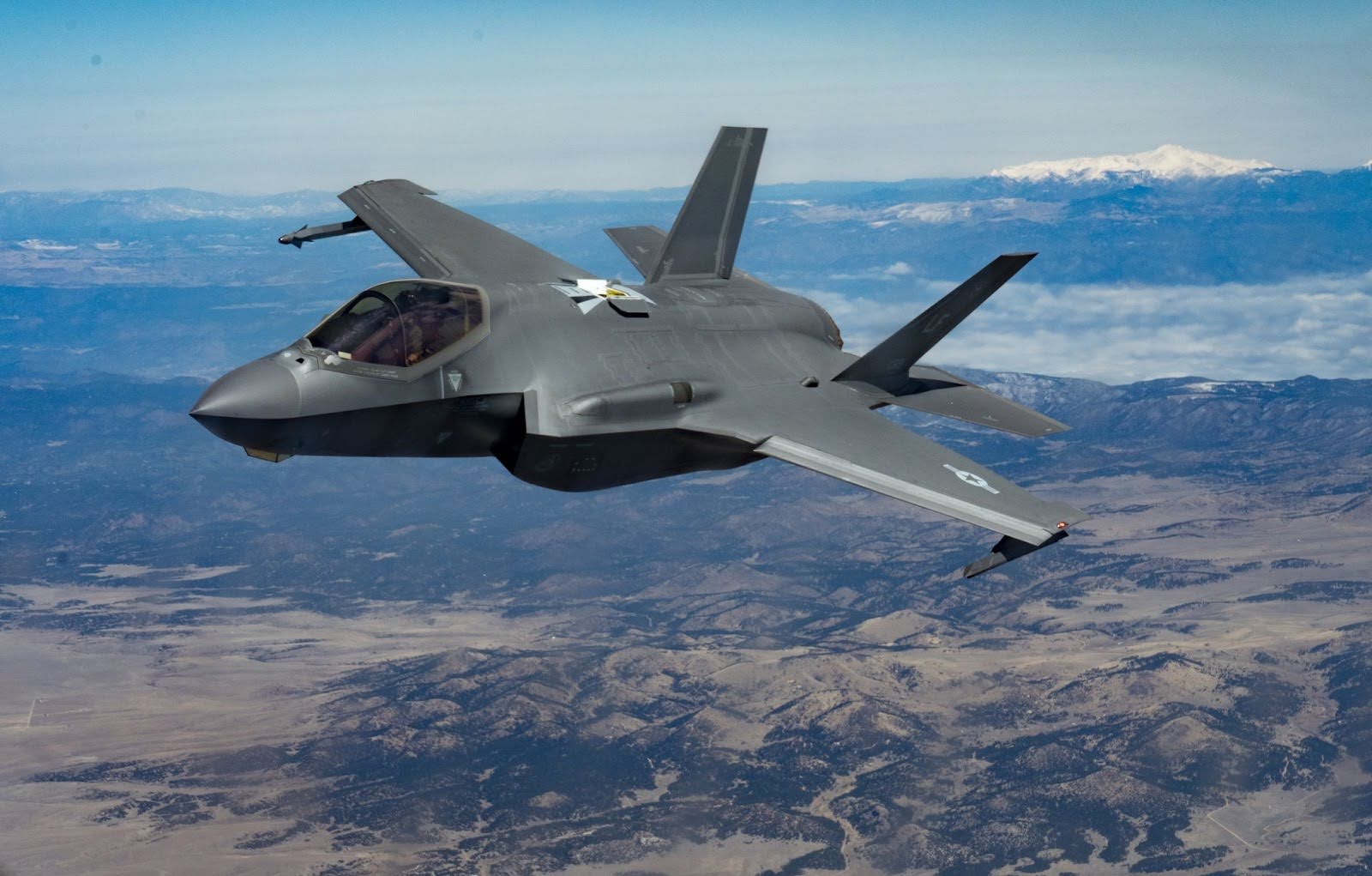
From satellites to naval ships to the F-35, titanium’s unique strength, light weight, and heat resistance make it indispensable to America’s military edge.[5]
Nowhere is this clearer than in drone warfare. In June 2025, the president issued an executive order directing the FAA to expand “Beyond Visual Line of Sight” operations, a move designed to fast-track domestic drone development, supply chains, and exports.[6]
This policy shift is accelerating a new generation of unmanned systems. And titanium is core to their frames, as one of the few metals that is both lightweight and resilient enough to withstand high-speed maneuvering and harsh battlefield conditions.
It’s these qualities that make titanium critical across nearly every advanced weapons platform, including missiles, satellites, tank armor, body armor, submarines and naval ships.[7] Nearly one-third of an F-35 fighter jet’s airframe is titanium, chosen because it is as strong as steel but 45% lighter, and capable of withstanding the friction and heat of supersonic flight.[8]
The same goes for satellite communication, quickly becoming one of the most important new frontiers when it comes to modern warfare. The U.S. Department of Defense plans to launch 1,000 satellites over the next decade, while the National Reconnaissance Office is set to quadruple its spy satellite fleet.[9]
Satellites deliver real-time surveillance, intelligence, and early warning for the U.S. and its allies. Without titanium alloys capable of withstanding the heat of launch, the radiation of orbit, and the stresses of re-entry, these systems would be heavier, weaker, and more vulnerable.
And this responsibility isn’t Washington’s alone. Commercial players are now stepping in. SpaceX’s Starshield program, for example, is already providing secure satellite communications to U.S. and allied militaries.[10]
With defense spending expected to surpass $1.5 trillion annually[11], it’s no surprise that titanium demand is scaling right alongside it.
Powering Next-Generation Medical Devices
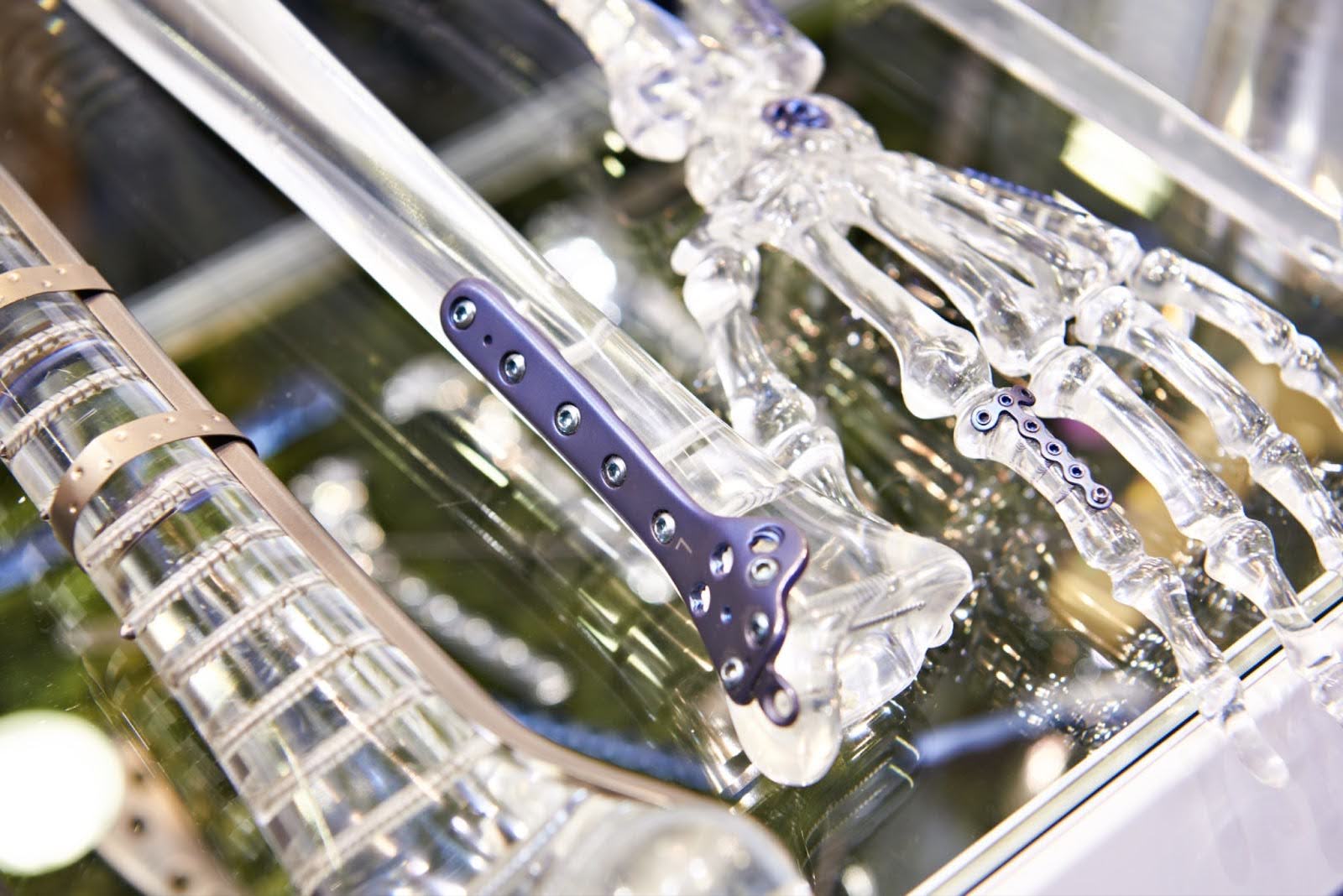
In medicine, titanium is unrivaled. It is sterile, corrosion-resistant, and biocompatible, meaning the human body doesn’t reject it. That combination has made titanium the preferred material for implants, surgical equipment, and prosthetics.[12]
Titanium continues to define the cutting edge of medical implants as innovations today unlock capabilities nobody imagined a decade ago.
Take next-generation alloys. Researchers are now replacing traditional blends with safer, high-performance ones. These eliminate concerns around vanadium and aluminum toxicity while preserving strength and bone-friendliness.[13]
Meanwhile, 3D-printed titanium implants are transforming treatment. Biomedical titanium patents filed over the last decade are soaring, and the rise of new manufacturing techniques is making patient-specific, custom implants increasingly practical and affordable.[14]
In orthopedics, breakthroughs in bioactive materials are bringing a new level of healing. Alloys are reducing stress shielding and delivering improved integration in hip and fracture treatments.[15]
Porous structures are also pushing boundaries. Titanium foam implants, whose structure mimics natural bone, encourages bonding which can help accelerate patient recovery.[16] The metal itself even helps. Titanium naturally forms a thin layer of titanium dioxide, giving bone grafts traction to fuse directly to it.[17] This unique ability to integrate with the human skeleton makes titanium one of the most trusted metals in operating rooms.
Finally, researchers are exploring even smarter implant surfaces. Techniques like femtosecond laser texturing are creating antibacterial titanium surfaces, helping reduce surgical infection rates.[18]
An Expanding Role in Energy

In energy titanium is increasingly indispensable. Its resistance to heat and corrosion allows it to survive inside nuclear reactors, offshore oil rigs, and offshore wind farms.[19]
These are environments that would destroy most other metals.With the rise of AI supercharging power demand, titanium’s role in energy has become even more critical. Data centers are projected to double U.S. power demand within the next decade[20], and tech giants are turning to nuclear energy as the only scalable option. Amazon, Google, and Meta have signed a global pledge to triple nuclear capacity by 2050.[21] Meta is building an $800 million AI data center in Indiana, powered by Constellation Energy, the largest U.S. nuclear utility.[22] And Bill Gate’s TerraPower just broke ground on a $1 billion nuclear facility in Wyoming.[23]
Every new reactor also builds new demand for titanium. Reactors are among the most extreme environments in energy production, and titanium is one of the only metals that can handle the heat, pressure, and corrosive conditions. As the U.S. and its allies move to quadruple nuclear capacity by 2050, titanium will be required in massive quantities.
Offshore energy is another growth engine.
Oil majors and national governments are plowing more than $200 billion into offshore oil and gas projects over the next few years[24], even as offshore wind farms scale up in the U.S., Europe, and East Asia. Both rely on titanium’s corrosion resistance to survive in saltwater environments.[25]
When it comes to solar, experimental titanium-based panels are showing output up to 1,000 times greater than silicon.[26]
Added all together, nuclear reactors, offshore oil, and next-generation solar, and it’s clear that titanium sits at the center of the largest energy buildout in decades.
The Coming Titanium Crunch

Rising demand is only half the story, the bigger risk is supply.
When Russia invaded Ukraine, titanium was one of the few commodities left unsanctioned.[27] Not because the West didn’t want to, but because it couldn’t afford to.
The reality is simple. No one can afford to let a potential source of titanium go unused.
Titanium is too important to the economy, to medicine, and to national defense. And with Beijing controlling much of the supply chain, the U.S. badly needs to spin up production at home before titanium becomes another geopolitical bargaining chip.
Few materials are this versatile. Titanium underpins defense, powers energy systems, and literally holds the human body together. That’s why both the U.S. and Canada have designated it a critical mineral[28], and why China’s grip on production is such a strategic threat.
Today, China holds the second-largest titanium reserves, produces about one-third of the world’s mined supply, and controls roughly two-thirds of the refined product known as titanium sponge. Over the past decade, China has more than doubled its sponge production, while U.S. output has collapsed to just 2% of what it was in 2013. [29]
At the same time, demand is projected to grow at a 6.2% CAGR through 2030[30], but if supply chains tighten, prices could climb much faster.
That imbalance leaves North America dangerously exposed. And it’s why Saga Metals’ (CSE:SAGA, OTC:SAGMF) Radar Project in Labrador is beginning to attract attention as a potential solution.
Early Results Point To Globally Significant Titanium Opportunity
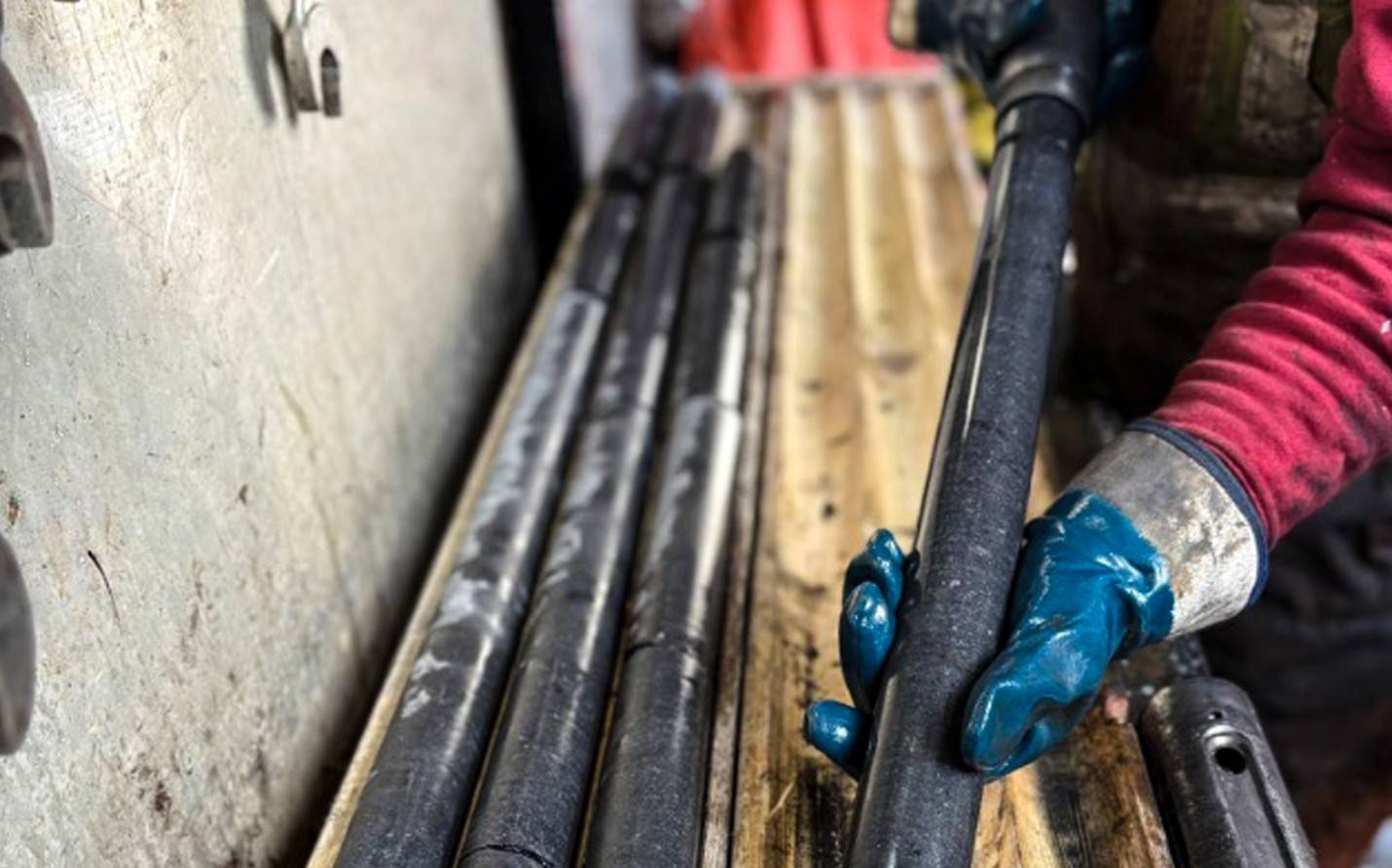
Saga Metals is advancing a discovery in North America that could help rebalance the titanium supply chain.
The company’s 100%-owned Radar Project has revealed one of the largest vanadiferous titanomagnetite (VTM) anomalies ever identified in North America. The entire Dykes River intrusion spans more than 160 square kilometers.
Work to date has outlined a 20+kilometer trend of titanium-vanadium-bearing rock, with early drilling showing thick oxide zones up to 400 meters, rivalling some of the best titanium systems in the world.
Geophysical surveys tell the same story. Magnetic readings at Radar have been so strong they’ve maxed out Saga’s equipment, with the Trapper Zone spiking above 120,000 nano teslas. That’s beyond the detection limit of the instruments.
Nearly 8,000 meters of drilling across 31 holes has been completed to date, with the program systematically testing key cross sections in Trapper North and Trapper South.
The goal? To gather the data needed for a maiden mineral resource estimate in the second half of 2026.
100% Drilling Success Across Trapper North and South
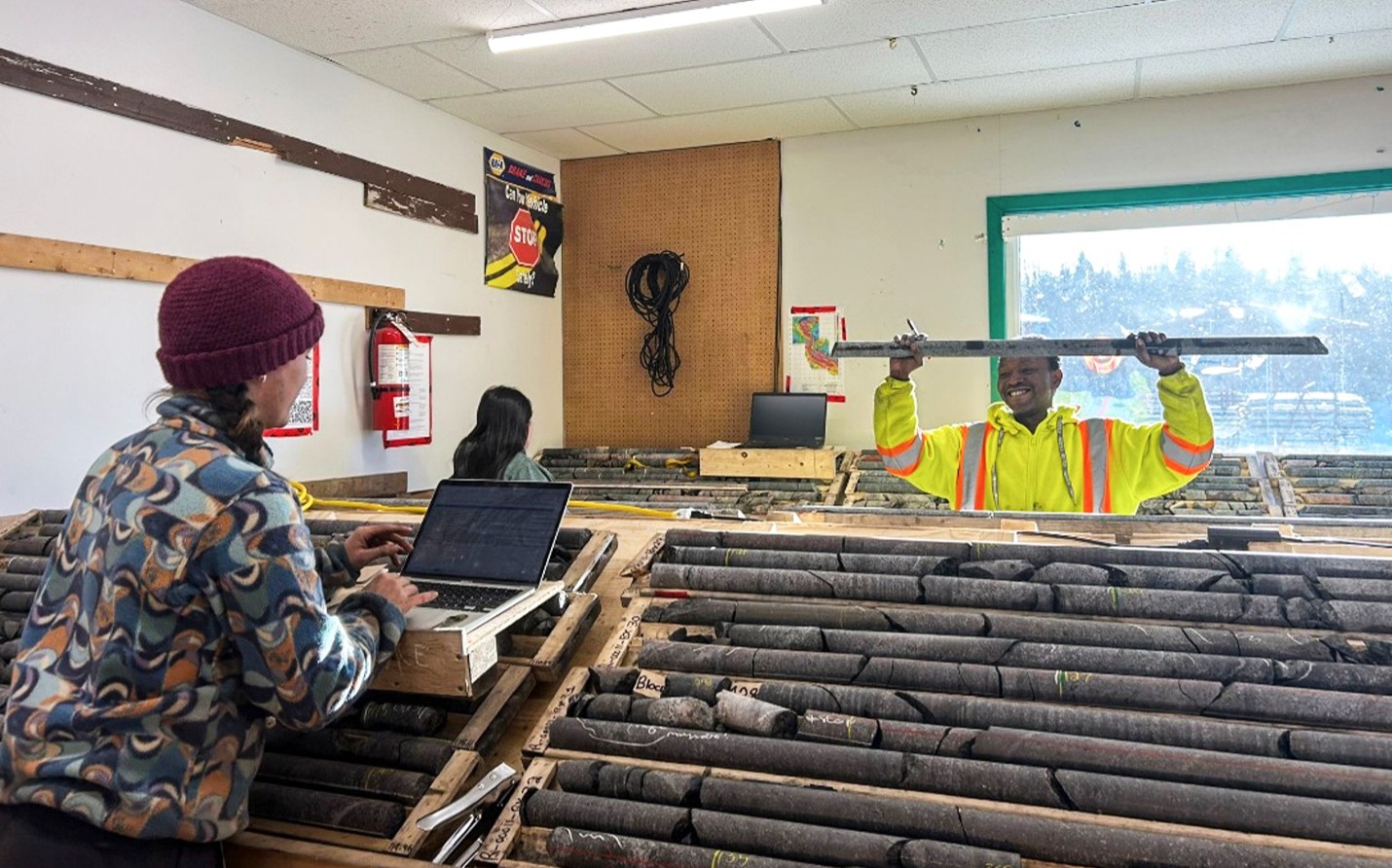
The first holes at Trapper North have been especially striking, containing between 35% - 90% oxide content:
- Hole R-0008 hit 156 meters of continuous, magnetite-rich oxide rock within a 270+ meter hole.
- Step-out hole R-0009, drilled 100meters away on the same section, not only confirmed the same unit but extended it by another 165 meters, with evenstronger magnetite content.
- Hole R-0010 helped refine the shape and orientation of the mineralized layers, improving Saga’s 3D model of the system.
- Hole R-0011, drilled as a 100-meter step-out from the earlier holes, adding new strike length to the semi-massive to massive oxide zone defined in the first cross section.
Put simply, the Radar project is showing continuity, exactly what you want to see when working toward a resource.
With Trapper North confirming the system, the drill program shifted south to test additional magnetic anomalies.
All four drill holes at Trapper South showed promising grades as well.
- Hole R-0016 intersected more than 50 meters of mineralization, returning strong titanium and vanadium grades alongside iron content exceeding 52%.
- Hole R-0017 intercepted an even thicker 90-meter oxide zone, confirming the presence of broad, continuous oxide layers within the system.
To date, 31 drill holes across the Radar project have all intersected oxide mineralization, with some intervals exceeding 150 meters, a remarkable level of consistency for an exploration program at this stage.
Exploration across the broader property continues to reinforce that scale.
In the neighboring Hawkeye zone, the company drilled 2,209 meters across seven holes and returned standout results.
That included 57.7 meters grading 5.3% titanium and 0.365% vanadium, with iron content as high as 49%.
Taken together, these results suggest a mineralized system unfolding across multiple zones, with strong potential to evolve into a district-scale project.
Lab analysis confirmed that the mineralized rock at Radar is consistent, clean, and indicates potentially easy processing, an important advantage in turning rock into salable metal.
Simpler metallurgy means lower costs, faster development, and higher potential margins. It’s one of the reasons Saga believes Radar can advance more efficiently than many comparable titanium-vanadium projects.
Stacking up to its Peers
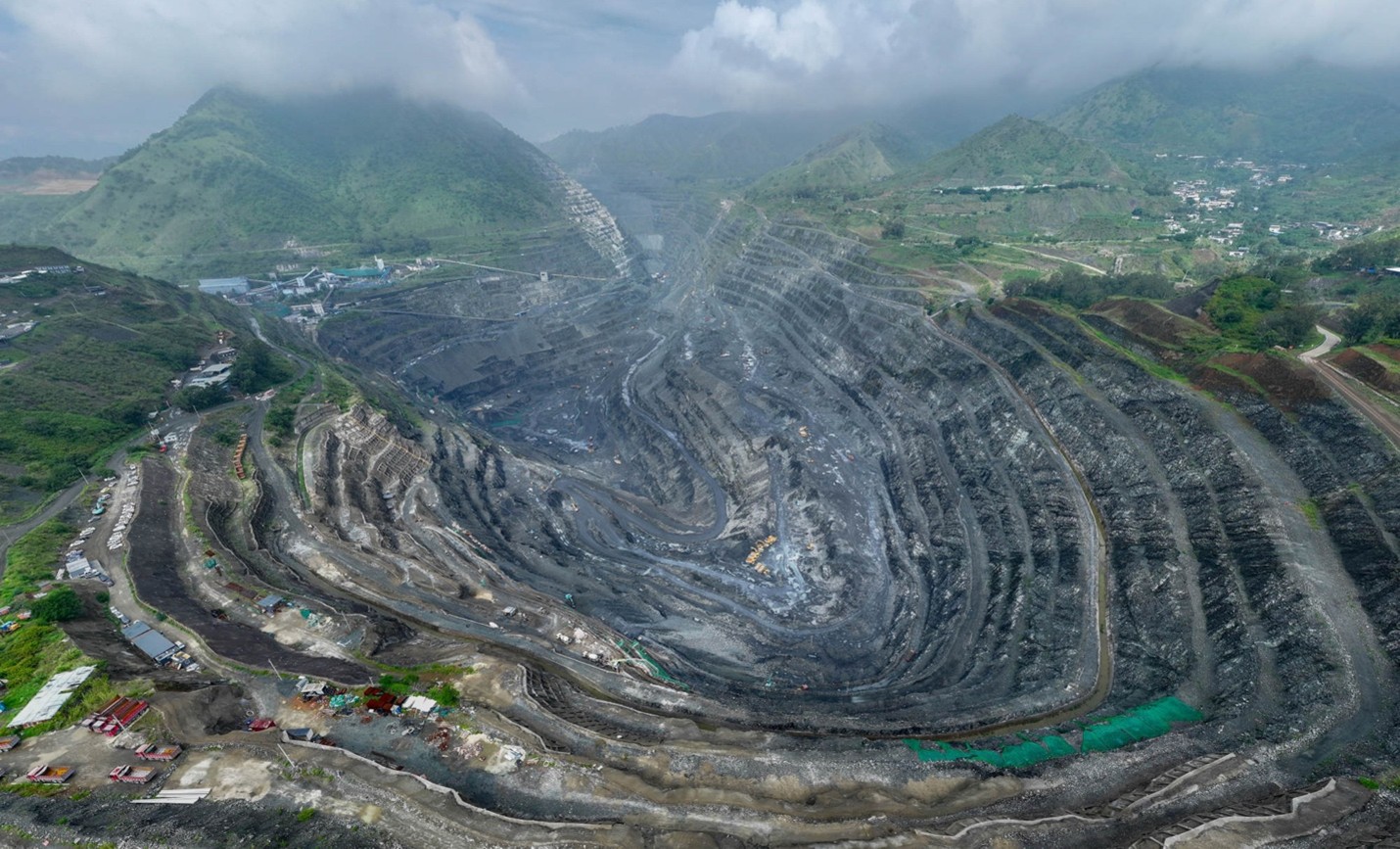
Image of the Panzhihua mine, courtesy of SCMP
Radar is already drawing comparisons to some of the world’s largest titanium systems.This includes China’s flagship VTM Panzhihua deposit which produces nearly 40% of the world’s vanadium and generates a multi-billion-dollar revenue stream31. Notably, while Panzhihua’s mineralized layers range from just 1 to 30 meters in thickness32 , Radar’s extend between 300-400 meters.
Early assays suggest Radar may rival it. As geological consultant Paul McGuigan noted:
“The Radar Project’s mineralogy appears cleaner and more coarse-grained than most VTM deposits, and its vanadium content is similar to Panzhihua. This is a rare combination.”
What makes Radar even more unusual is its consistency. Exploratory drilling results show about 80% uniformity between samples, indicating the targeted oxide anomaly may have been formed in a single massive volcanic pulse millions of years ago.
Early results from Radar have already returned titanium grades up to 9.4% and vanadium up to 0.66%, levels comparable to China’s flagship Panzhihua district.
Unlike Panzhihua, which is made up of numerous smaller anomalies formed over time, Radar appears to be one vast, uniform ore body. That’s a rarity in titanium geology, and one that could prove exceptionally rich.
Closer to home, Rio Tinto’s Lac Tio mine in Quebec has been operating for more than 70 years and remains one of the world’s largest sources of titanium dioxide feedstock, producing over 1 million tonnes annually.
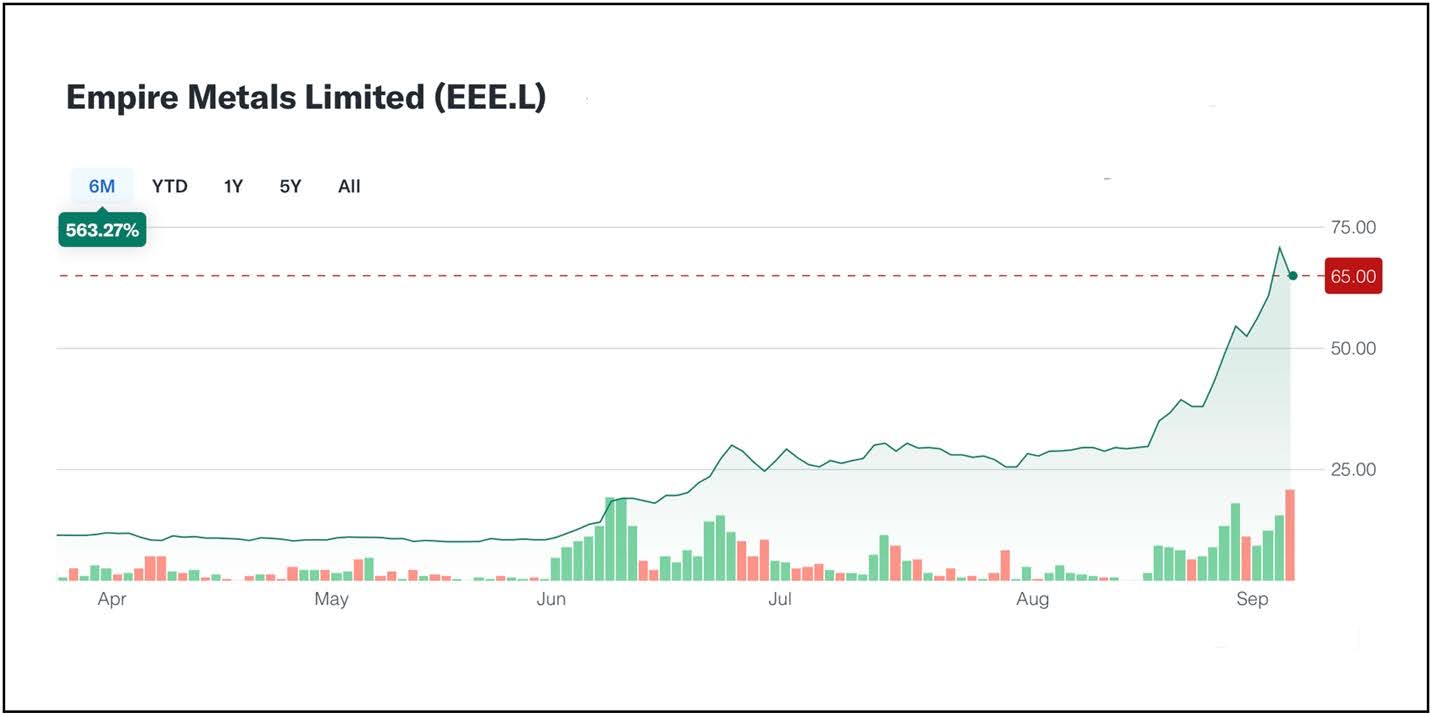
By comparison, Saga Metals’ Radar Project is still under the radar. Despite mapping out a 160 km² intrusive complex with oxide layers far larger than most known VTM systems, Saga trades at a market capitalization of USD $~25 million.
Mining Discovery with Rare Advantages
Most exploration projects in North America are plagued by isolation.
Radar is different. The project sits just ten kilometers from a major industrial hub, which offers a deep-sea port, an airstrip, and a skilled local workforce.
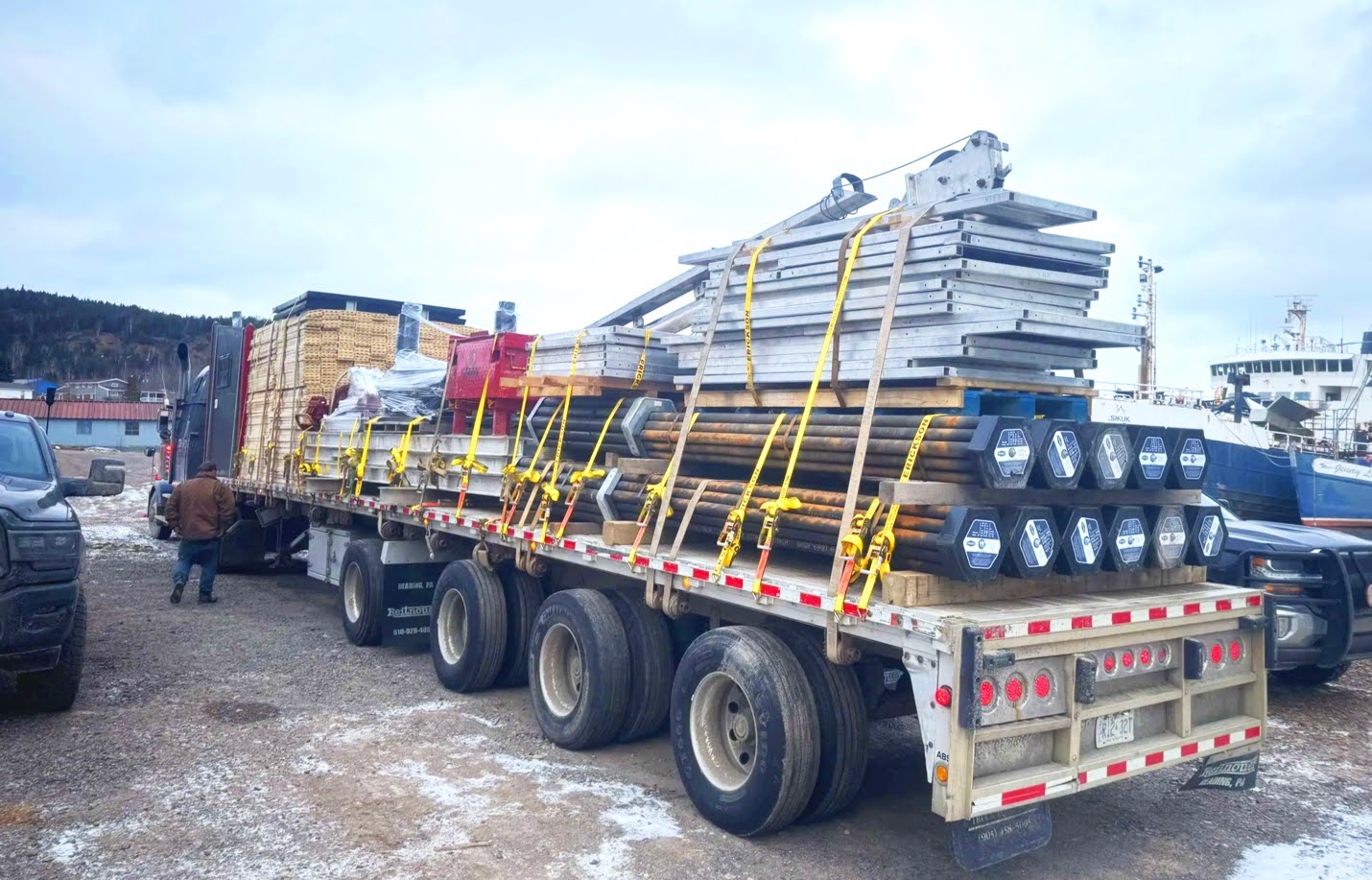
To support the growing drill program, Saga has also been investing in infrastructure on the property. The company recently constructed a 4.2-kilometer access trail, known as the “Trapper Trail”, directly through the Trapper zone and along the oxide layer strike. This has eliminated the need for helicopter support and brought drill costs down to $300–$350 per meter, a major cost advantage.
Power is another key advantage. The region is serviced by abundant, low-cost hydroelectricity, a sustainable energy source that remote mining projects can only dream of. This makes Radar not only easier to build, but potentially cheaper to operate in the long run.
Then there’s the jurisdiction. Canada consistently ranks among the world’s most mining-friendly countries, with clear regulations, supportive communities, and a long history of resource development. Radar benefits from that landscape but goes a step further by already having the infrastructure in place.
The result is a rare discovery in a region that can support development, with the potential to become one of the most important titanium districts in the Western world.
And here’s perhaps the most surprising part of the value-gap: The Radar Project isn’t Saga’s only asset.
Multiple Avenues for Growth
While the Radar Project is the clear flagship, Saga Metals (CSE:SAGA, OTC:SAGMF) has positioned itself with a portfolio of critical mineral assets, each aligned with the growing demand for secure energy and materials

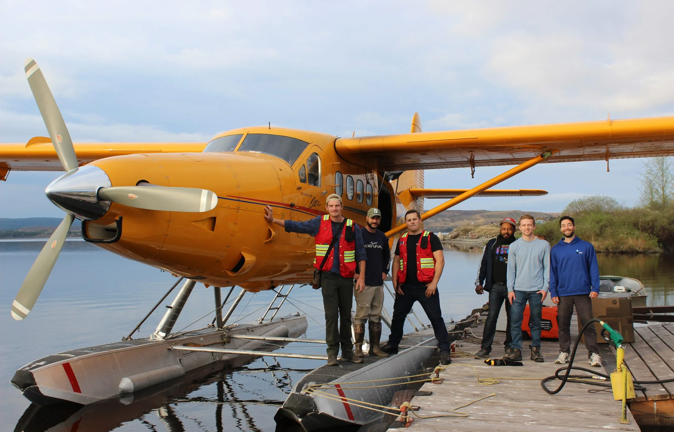
The Double Mer Project covers 25,600 hectares and sits close to major uranium discoveries held by Paladin Energy and Atha Energy. Recent exploration suggests Double Mer could host a large-scale uranium system. Saga has mapped an 18-kilometeruranium trend with three key targets. Surface samples returned grades up to 0.428%, along with strong radiometric readings reaching 27,000 cps. Field teams have confirmed a robust mineralized system with multiple styles of uranium enrichment, and petrographic analysis points to strong geological consistency across the project. Double Mer is now fully permitted and drill-ready, supported by Saga’s upgraded, year-round 10-person winterized camp, refurbished in 2025.
Lithium Partnership with Rio Tinto. Saga has also partnered with Rio Tinto to develop its Legacy Lithium Project in Quebec’s James Bay district, one of the most active lithium regions in the world. The USD$32M option secured with Rio Tinto underscores Saga’s credibility in advancing critical mineral projects and hints at further alignment, given Rio Tinto’s nearby titanium operations.
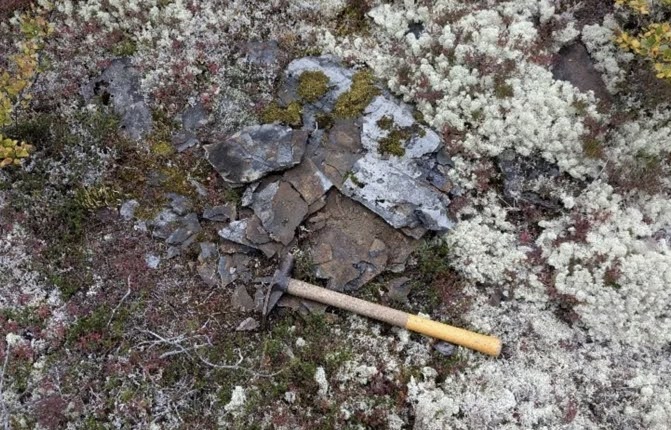
Iron at Northwind. The Northwind Project hosts a large iron anomaly with assay results reaching up to 75% Fe in early tests. Northwind is located near Cyclone Metals in the Labrador Trough, and recently announced a $138M deal with Vale to develop the Iron Bear project, reinvigorating activity in the area.[33]